Windows can lose up to 25% of a home’s heat. Choosing the right windows is key for saving energy and staying comfortable. We’ll look at casement and sliding windows to help you decide.
This guide compares casement and sliding windows. We’ll talk about their performance, size, and how to keep them clean. This will help Canadian homeowners pick the best for their homes.
We’ll discuss important factors like U-factor and air leakage. We’ll also cover typical sizes and common casement and sliding window dimensions. This will help you understand the options.
Understanding the difference between rough opening and unit size is important. We’ll also explain egress rules and the trade-offs between different materials. This includes vinyl, wood, aluminium, and hybrid frames.
Local companies like Total Home Windows & Doors offer help. They provide windows and doors in the GTA. We’ll compare costs and performance to help you choose.
Key Takeaways
- Window choice affects up to 25% of home heat loss — pick for energy efficiency and proper glazing.
- Casement and sliding windows have different standard sizes and ventilation profiles; confirm rough opening before ordering.
- Material matters: vinyl and wood give thicker frames, aluminium is slim but less thermally efficient, hybrids balance both.
- Check local egress codes (Ontario and IBC differ) for bedroom and basement windows before finalising layouts.
- Consult NFRC and ENERGY STAR ratings and consider south-facing glazing for passive solar gain where appropriate.
- Local suppliers like Total Home Windows & Doors can help with custom sizing and professional installation in the GTA.
Window and Doors Replacement Near Me
What is a Casement Window?
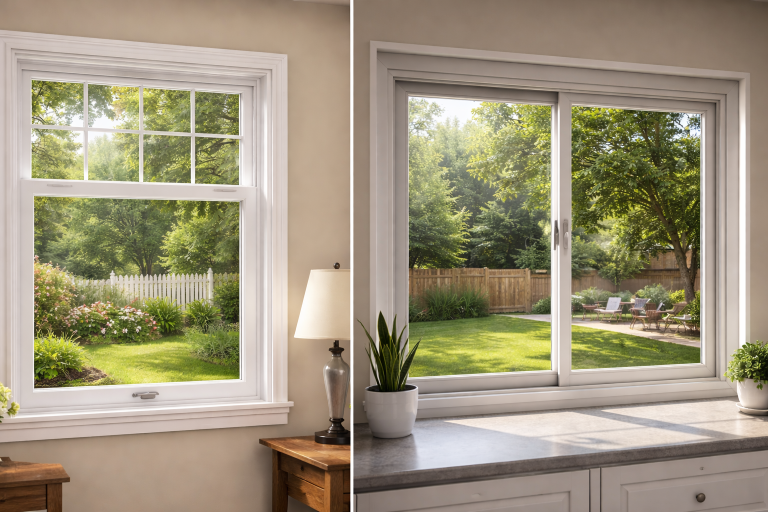
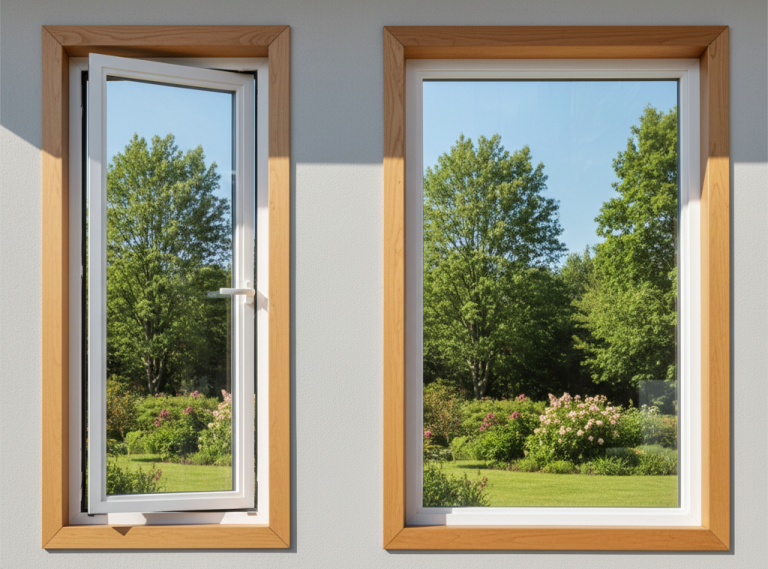
A casement window opens like a door. It swings out. Most are operated by a crank or new, smooth push hardware.
They come in various sizes. Widths range from 16 to 40 inches. Heights go from 24 to 84 inches. You can get single or double casements that meet in the middle.
Casements are great for getting air in. They open wide for better airflow than many other types. They’re also good for letting in sunlight and air at the same time.
When shut, they seal well. This helps keep energy in and air out. They use special glass and gas to help with this.
They offer great views because of their design. But, they need space to open and can wear out over time.
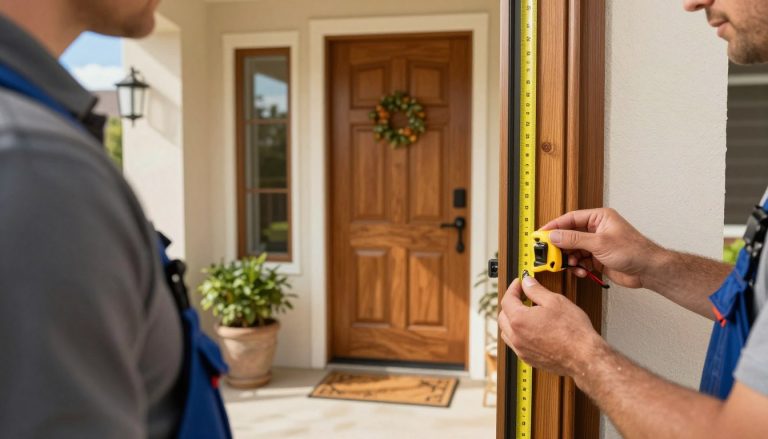
Planning for installation is key. You need to measure and check local building codes. New ones fit into frames, while old ones need special care.
They’re best in rooms where air flow is important. They work well with other windows to balance views and air. For big openings, you might need more than one.
Keeping them up is easy but important. Just oil the parts, check seals, and fix the crank. Casements are better at keeping air in and out than sliding windows. But, they need more space and careful installation.
Find related services
What is a Sliding Window?
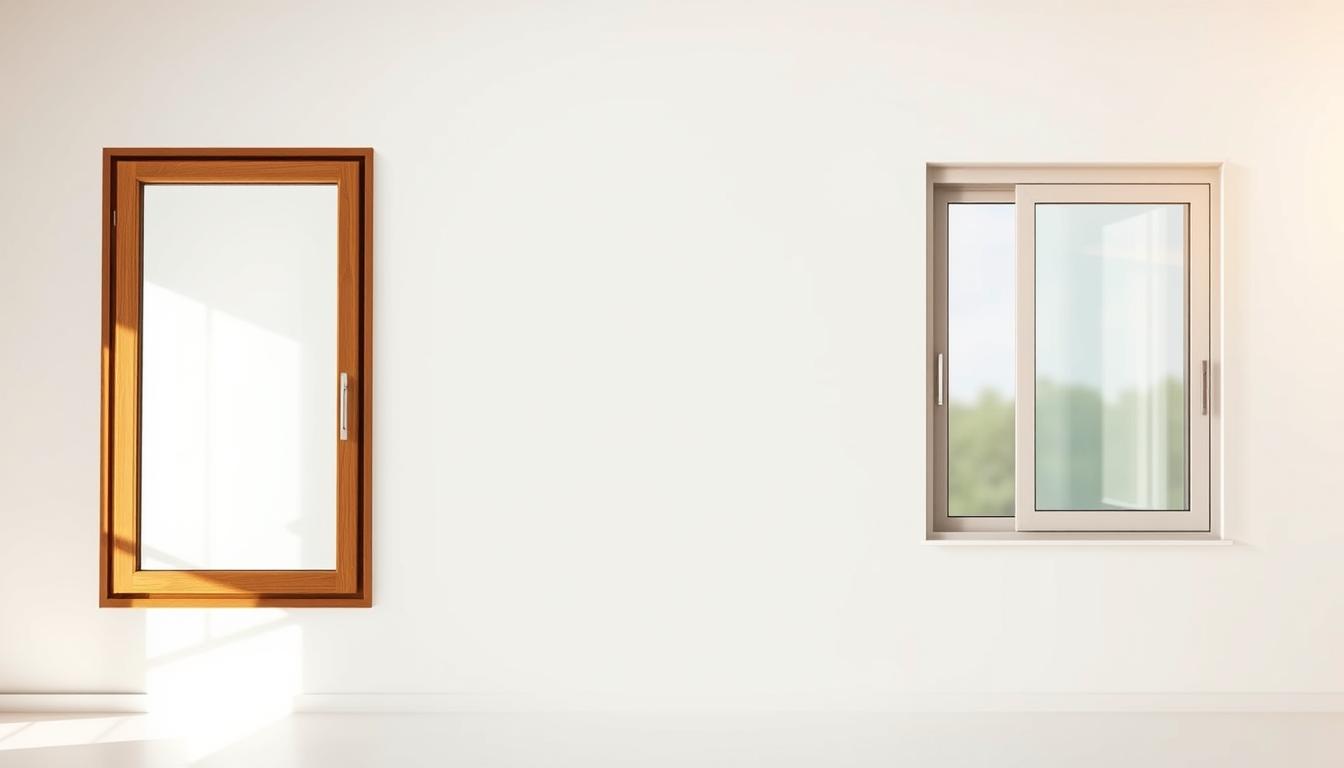
A sliding window, also known as a slider, has sashes that move horizontally on tracks. You can find them in single, double, or triple slider setups. Lift-and-slide mechanisms help make them more energy-efficient and airtight.
They come in various sizes, like 36×24, 48×24, and 60×24. You can also get custom sizes. The frames are made from vinyl, aluminium, wood, or fiberglass. Vinyl is great because it’s low friction and resists moisture, making maintenance easy.
We’ve listed the main points to help you decide between casement and sliding windows. Sliders are great for saving space because they don’t swing out. They also have a modern look and are easy to use for big openings. Plus, you can clean them from the inside in some designs.
But, sliders have some downsides. They don’t open as much as casements, which can limit ventilation. Tracks and rollers can wear out, letting air in if not kept clean. You might need better weatherstripping to match casements’ sealing.
Sliders are best for wide, low spaces like living rooms or kitchen counters. They’re perfect for places where you need to save space, like patios or walkways. They’re also great for modern homes that want to blend indoors and outdoors.
Keeping sliders in good shape is important. Clean the tracks and rollers regularly and use silicone-based lubricant. Check the seals and weatherstripping every year and replace them if needed. This keeps them working well and saves energy. Make sure they meet egress standards if they’re an emergency exit.
| Feature | Sliding Window (Slider) | Notes |
|---|---|---|
| Operation | Horizontal gliding sashes | Single, double, triple, lift-and-slide options |
| Space efficiency | High | No exterior swing; ideal for tight exteriors |
| Ventilation | Moderate | Usually half the opening is operable |
| Energy efficiency | Good with quality seals | Lift-and-slide and Low-E glass improve U-factors |
| Maintenance | Low to moderate | Tracks need cleaning; vinyl reduces upkeep |
| Aesthetics | Contemporary, wide views | Wider frames may affect sightlines unless minimised |
| Best use | Wide horizontal openings, patios | Works well where casement vs sliding windows choice favours space efficiency |
Explore energy-efficient options
Compare Energy Efficiency Between Casement and Sliding Windows: Comparison Table
We compare energy efficiency to help homeowners choose between casement and sliding windows. Check NFRC labels and ENERGY STAR ratings for U-factor and SHGC values before buying.
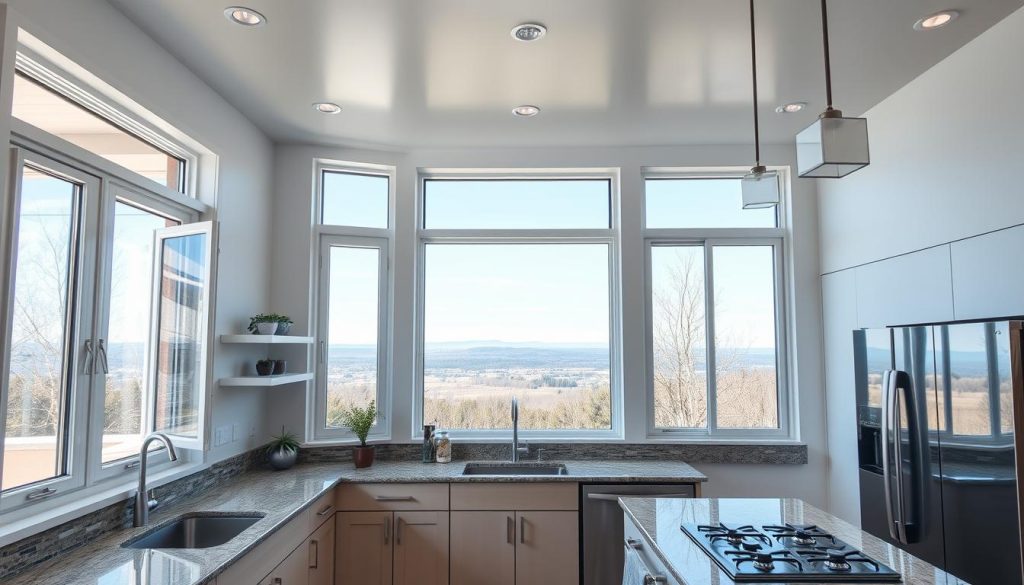
Here’s a quick comparison of U-factor, SHGC, air leakage, and best uses for Canadian climates. It shows ranges for double- and triple-pane systems and assumes quality installation.
| Window Type | Typical U-factor Range (double / triple pane) | Typical SHGC Range | Air Leakage Tendency | Best for Cold Climates | Typical Maintenance Needs |
|---|---|---|---|---|---|
| Casement | 0.30–0.50 / 0.15–0.30 | 0.20–0.60 | Low — compression seals and multi-point locks provide strong airtightness | Yes — often top performer when paired with triple pane and Low-E coatings | Periodic lubrication of hinges and seal inspection; replace seals as needed |
| Sliding (standard) | 0.30–0.50 / 0.18–0.30 | 0.20–0.60 | Moderate — depends on track design and weatherstripping quality | Possible with high-quality lift-and-slide units and triple pane glass | Track cleaning, weatherstrip replacement and occasional roller adjustment |
| Sliding (lift-and-slide, high performance) | 0.28–0.45 / 0.15–0.28 | 0.20–0.55 | Low when engineered seals and compression systems are used | Yes — viable alternative to casements when fitted with triple pane and Low-E | Similar to casement for seals; heavier hardware needs periodic service |
Low-E coatings and gas fills adjust U-factor and SHGC for climate and orientation. Triple pane systems lower U-factor and reduce heat loss. For south-facing windows, the right SHGC balances solar gain and summer comfort.
Get NFRC labels for exact U-factor, SHGC, and visible transmittance. Local makers like Total Home Windows & Doors offer certified ratings, custom sizes, and installation that meets Canadian standards.
In cold areas, choose lower U-factor and less air leakage. Triple pane plus Low-E is a good choice. In mixed climates, double-pane Low-E with argon and good sealing is a cost-effective option. This comparison helps narrow down your choices.
Cost Analysis: Comparison Table
We have a cost guide to help you choose between casement and sliding windows. The table shows typical prices, installation costs, and what extra charges might be. The actual cost depends on the material, glass, hardware, and the maker.
Both casement and sliding windows usually cost the same for standard vinyl units. But, bigger or special models can be more expensive. Replacing windows often costs less in labour than installing new ones, unless you need to fix the structure.
Things like casing and flashing can add to the cost. Also, permits for changes or big openings can increase the price and take longer to complete.
| Window Type | Typical Unit Cost (material) | Typical Installed Cost (per unit range) | Typical Maintenance/Service Costs (annualised) | Energy Savings | Best Use Cases |
|---|---|---|---|---|---|
| Standard Casement (vinyl, double-pane) | $500–$1,000 | $800–$1,500 | $20–$60 (crank or seal servicing every few years) | Moderate to high with good seals and low-E glazing | Bedrooms, kitchens, openings needing tight seals |
| Standard Sliding (vinyl, double-pane) | $500–$1,000 | $700–$1,400 | $10–$50 (track cleaning, roller replacement as needed) | Moderate with upgraded glazing | Basements, wide openings, rooms with limited swing clearance |
| Large Picture/Combination, Bay/Bow | $3,000–$5,000+ | $4,000–$8,000+ | $50–$150 (trim and seal upkeep) | High when using triple glazing or thermal breaks | Living rooms, façades prioritizing views |
| High-performance Casement / Lift-and-Slide | $1,200–$3,000+ | $1,800–$5,000+ | $30–$120 (hardware servicing, specialized parts) | Very high with triple-pane and low U-factor | Energy-focused renovations, large patio openings |
| Custom or Oversized Units | Unit cost +20–50% | Installed cost +20–50% | $50–$200 (special parts and labour) | Varies; premium glazing can save a lot | Unique openings, nonstandard shapes, historic retrofits |
Get quotes from local experts for a fair comparison. Working with companies like Total Home Windows & Doors can save time. They ensure your new windows meet Ontario’s building codes.
Consider the long-term savings when deciding. Better glazing costs more upfront but can save on bills. Always compare the costs before making a choice.
Casement vs Sliding Windows: What’s Best for Your Home?
First, we look at the site, what you need, and how much energy you want to save. Casement windows are great for air and view if you can swing them out. Sliding windows are better for wide views and a modern look.
Think about how the windows will open and if they meet local building codes. This is important.
Then, we think about how easy they are to install, maintain, and cost. Retrofitting might need extra work like flashing updates. Sliders need track cleaning, while casements need crank and lock care.
Choose durable materials like vinyl or fiberglass for less upkeep. Get quotes from local suppliers and check for energy labels.
Now, we match scenarios with the best window choice. For lots of air and tight seals, go for casements or high-quality sliders. Sliders or awnings are good for narrow spaces or counters.
For big windows, mix fixed picture windows with operable casements or sliders. This balances light, energy, and air.
In short, casements are best for air and tightness if you can swing them. Sliders are good for wide views and limited space. Always choose low U-factor glazing and strong seals. Make sure to check warranties before buying.
FAQ
What are the main differences between casement and sliding windows?
Casement windows open like a door and are great for air and seals. Sliding windows move horizontally and are good for wide spaces. Casements are better for keeping air in, while sliders offer wider views.
Which window type provides better energy efficiency for Canadian homes?
Casements are better for cold climates because they seal well. Sliders can also be efficient with the right features. Always check the NFRC and ENERGY STAR ratings.
How do U-factor and SHGC affect window selection?
U-factor shows how well a window keeps heat out. Lower is better. SHGC affects how much sun gets in. Choose the right glass for your needs.
What sizes are standard for casement and sliding windows?
Window sizes are given in inches, like 2436 for 24×36. Casements range from 16 to 40 inches wide and 24 to 84 inches tall. Sliders are often 36×24 or 60×36. Check the size you need with the manufacturer.
Do casement or sliding windows meet egress requirements for bedrooms and basements?
Egress rules vary by place. Check local codes for clear opening sizes. Make sure your windows meet these requirements.
What frame materials are best for thermal performance and maintenance?
Vinyl and wood frames are thick and keep heat well. Aluminium is thin but can be efficient with thermal breaks. Hybrid frames are a good mix. Vinyl or fiberglass is best for easy upkeep.
How do installation requirements differ between casement and sliding windows?
Casements need space to swing out and may need strong frames. Sliders need tracks and level sills. Check the size and needs before ordering.
Which window type is better for ventilation?
Casements let in more air because they open fully. Sliders also work well but not as much as casements.