

Windows can let up to 25% of your home’s heat escape in winter. Choosing between casement and fixed windows can change your energy bills and comfort.
We’re here to help you compare casement and fixed windows for your home. We want to guide you to the best choice for your home’s performance, comfort, and budget. Canada’s weather varies a lot, so it’s important to think about airtightness, U-value, and SHGC.
Casement windows open outwards with a crank. They have strong seals and good airflow. Fixed windows don’t open but offer great views and insulation. Natural Resources Canada and NFRC ratings show casements can be better than sliding units for insulation.
When choosing, think about ventilation and natural light. Casements are better for airflow, while fixed windows are great for views. Casements need space to swing out and have mechanical parts. Fixed windows are simpler and often cheaper, with good thermal performance.
Key Takeaways
- Casement vs fixed windows affects energy loss and ventilation — choose based on priorities.
- Casements offer better seals and airflow; fixed windows maximise glazing and insulation.
- In Canada, U-value, SHGC and airtightness are critical for long‑term savings and comfort.
- Casements often cost more upfront and need exterior clearance; fixed windows are usually cheaper and low‑maintenance.
- Local suppliers like Total Home Windows & Doors can help match vinyl casement or fixed options to your home and climate needs.
Window and Doors Replacement Near Me
What is a Casement Window?
Casement windows open outwards with a crank. They seal tightly when closed, stopping drafts. This makes them great for Canadian homes.
The design is tall and narrow, with no middle rail. This makes them perfect for kitchens and bedrooms. They offer a clean look that many homeowners love.
Casements are very good at keeping heat in. They have tight seals and hardware. Adding double glazing makes them even better.
They let in lots of air when open. You can also direct the airflow. Cleaning is easy on many models.
But, there are downsides. The parts can wear out if not looked after. They need space to open outwards. They cost more than fixed windows.
They’re best for kitchens and places that need air. They’re also good for cold areas. They’re great for making old homes more energy-efficient.
They come in standard sizes like 28×42 inches. You can also get custom sizes from Pella and Marvin. Keeping them well-maintained helps them last longer.
Find related services
What is a Fixed Window?
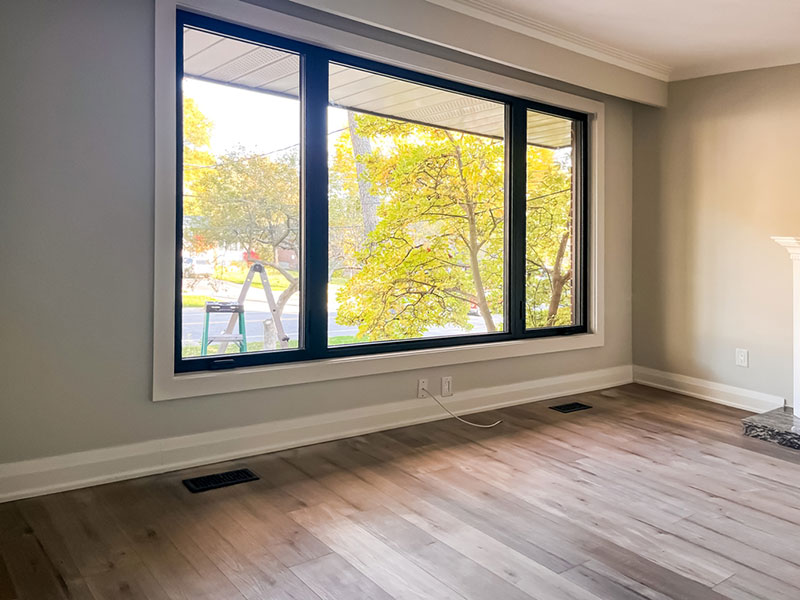
Fixed windows, also known as picture windows, let in lots of light and views. They don’t move, making them very tight and airtight. This is great for clear views and less frame in the way.
Designers love fixed windows for big openings. They let in more light and views than other windows. In open-plan living rooms, they become a key feature that shows off the outdoors.
Fixed windows are also very good at keeping warm in. They have fewer parts and no moving parts. This means they keep cold air out and warm air in better.
They are also cheaper and easier to keep up. They cost less to make and install. And, they don’t need any parts to be fixed, so they last longer.
But, fixed windows can’t open for air. So, you need to use other windows for air. Big windows can be hard to clean from outside. And, they can get very hot if they face the sun.
When choosing between fixed and casement windows, think about what you need. Fixed windows are great for views and keeping warm. But, casement windows let in air and are good for moving around.
Fixed windows are best for walls that show off views or for keeping warm. They’re not good for places where you need to open a window. Companies like Kolbe and Pella make custom fixed windows for big openings.
When picking windows, think about what you want. Do you want lots of light, air, or to save energy? Fixed windows are often the best choice for these things.
Explore energy-efficient options
Compare Energy Efficiency Between Casement and Fixed Windows: Comparison Table
We have a clear comparison of casement and fixed windows for Canadian homes. It focuses on energy use. This helps homeowners decide between casement and fixed windows.
Our data comes from Natural Resources Canada and NFRC. We talk about glazing types like triple-pane and Low-E coatings. These affect energy use and can get you Energy Star incentives.
| Metric | Casement Windows | Fixed Windows |
|---|---|---|
| Airtightness / Air infiltration | High airtightness due to compression seals; performs well among operable types. | Lowest air infiltration; no operable joints means minimal leakage over time. |
| U-value (thermal transmittance) | Low U-values achievable with double/triple glazing and warm-edge spacers; competitive when well specified. | Slight edge on U-value because of fewer joints; excellent thermal control when triple-pane and Low-E are used. |
| SHGC (solar heat gain coefficient) | Depends on glazing choice; Low-E coatings and tints allow seasonal control while keeping ventilation options. | Highly dependent on glass selection; large fixed units need shading to limit unwanted solar gain in summer. |
| Long-term performance | Hardware wear can reduce airtightness if maintenance lapses; planned inspections preserve performance. | Consistent performance over time due to no moving parts; minimal maintenance preserves rated values. |
| Practical Canadian use | Strong choice where ventilation is needed without large energy penalties; suits mixed climates with proper glazing. | Ideal for cold climates where maximum thermal control is the priority; suits passive designs and large-format glazing. |
| Upgrade opportunities | Triple-pane, argon/krypton fills and Energy Star labels improve efficiency and rebate eligibility. | Same glazing upgrades apply; simpler installation path to best-in-class U-values and lower air leakage. |
For the best results, check with local makers like Total Home Windows & Doors in the GTA. They offer NFRC-labelled windows and expert installation. This ensures your windows work well.
Homeowners who want good ventilation and insulation might choose casement windows. For the lowest heat loss and easy upkeep, fixed windows are a better choice in Canada.
Cost Analysis: Comparison Table
We have a clear cost framework for choosing between casement and fixed windows. It covers the cost of buying, installing, maintaining, and saving energy. It also looks at the long-term value for homeowners in Canada.
Fixed windows are often cheaper to buy. They don’t have moving parts, so they cost less to make and buy. But, custom sizes and premium frames like fiberglass can increase the price for both types.
Installing casement windows is more expensive. They need precise sealing and hinge work, which takes more time. Fixed windows are faster to install, saving on labour costs.
Maintenance and repairs are different for each type. Fixed windows need only cleaning. Casement windows need regular service of cranks, hinges, and locks, which costs more over time.
| Cost Category | Fixed | Casement |
|---|---|---|
| Purchase price | Lower for standard sizes; rises with custom picture windows | Higher for comparable sizes due to hardware and operability |
| Installation cost | Lower—simpler fit and sealing | Higher—requires precise hinges, cranks and sealing |
| Maintenance & repair | Low—minimal moving parts | Moderate—periodic hardware adjustment or replacement |
| Energy savings | High—excellent airtightness and R-value | High—can match fixed performance with quality seals |
| Long-term value | Excellent for passive performance and low lifecycle cost | Excellent with ventilation and strong glazing |
| Custom sizing & materials | Cost rises with oversized picture windows and premium frames | Cost rises with custom widths and higher-end frames; vinyl is more affordable |
Get multiple quotes to compare the cost of casement and fixed windows. Companies like Total Home Windows & Doors in the GTA offer prices on vinyl units. They include glazing packages like double or triple pane, Low-E coatings, and gas fills.
When comparing costs, consider rebates for Energy Star-qualified units. Also, think about the energy savings over 10 to 25 years. This helps us see the upfront cost against long-term value for home projects.
Casement vs Fixed Windows: What’s Best for Your Home?
Choosing between casement and fixed windows depends on ventilation, view, and cost. We suggest looking at each room separately. Kitchens and areas above sinks are great for casement windows because they open easily and let in air fast.
In bathrooms and utility rooms, casement windows are better for air flow. But fixed windows are okay if you have an exhaust fan to handle moisture.
For living rooms and walls you want to show off, fixed picture windows are best. They let in lots of light and views. But, add casement windows nearby for air.
Basements and tight spots often get fixed or sliding windows for cost and fit. But, check if they meet egress rules for bedrooms and finished basements.
The climate and where your windows face also play a part. In cold areas, fixed windows keep the heat in better. But, casements are better for ventilation.
South-facing windows can get a lot of sun, but fixed windows work well if they have Low-E coatings and shading. Always choose double- or triple-pane glass with Low-E coatings and gas fills that fit your local weather.
Think about your budget and how long you plan to keep your windows. Fixed windows are cheaper upfront and need less upkeep. But, casement windows save energy and let in air over time.
It’s smart to mix fixed and casement windows. Make sure they meet performance labels. For quotes and custom sizes, contact local suppliers like Total Home Windows & Doors in the Greater Toronto Area. This mix usually gives the best results for homes across Canada.
FAQ
What is the main difference between casement and fixed (picture) windows?
Casement windows open outwards with a crank. They offer ventilation and seal well when closed. Fixed windows don’t open but let in lots of light and views. They are great for keeping air out because they don’t move.
Which window type is more energy efficient in Canadian climates?
Both can be very efficient with the right features. Fixed windows might be a bit better because they don’t move. But casement windows can also be very tight and efficient, thanks to their seals.
Do casement windows provide better ventilation than fixed windows?
Yes. Casement windows open wide for lots of air. They can even catch breezes. Fixed windows don’t open, so you need something else for air.
Are casement windows harder to maintain than fixed windows?
Casement windows need regular checks on their parts. This is because they have moving parts. Fixed windows are easy to keep up because they don’t move.
Which option is more cost-effective upfront and over the long term?
Fixed windows are cheaper to start with because they don’t have moving parts. Casement windows cost more but can save money over time. This is because they can help keep your home cooler.
Can I combine casement and fixed windows in the same opening?
Yes. You can mix fixed windows with casements. This way, you get lots of light and can open windows for air.
Are fixed windows suitable for bedrooms and egress requirements?
No. Fixed windows don’t open, so they don’t meet egress rules. For bedrooms, you need windows that open, like casements.
How does orientation affect the choice between casement and fixed windows?
For sunny sides, fixed windows can let in lots of sun. But they might need special glass to keep cool. Casements are good for cold sides because they can open for air.
What sizing and custom options are available for each type?
Both can be made in many sizes. Casements are often taller than wide. Fixed windows can be very big, but might need special support. Local makers like Total Home Windows & Doors can make custom sizes.
Which window type qualifies for energy rebates and programs in Canada?
Energy Star and NFRC-rated windows might get you rebates. Both casements and fixed windows can qualify if they meet certain standards. Always ask for these labels when applying for rebates.
What practical factors should guide my final decision?
Think about what the room is for, the weather, and how much you want to spend. Mixing fixed and casement windows is a good idea. Choose the right glass and get quotes from local suppliers like Total Home Windows & Doors.


