

Nearly 40% of a typical Canadian home’s heat loss happens through windows and doors. This makes choosing between casement and tilt and turn windows very important. It affects both comfort and your bills.
We explain why comparing these window styles is key. We look at performance, ventilation, security, maintenance, cost, and how well they work in Canadian climates. Both types can be energy efficient with the right glazing and seals. But they operate and clean differently.
The material used is also important. uPVC (vinyl), wood, aluminium, and aluminium-clad wood affect durability and insulation. Total Home Windows & Doors in the Greater Toronto Area is a local example for vinyl windows and support for homeowners.
Key Takeaways
- Tilt-and-turn windows offer inward tilt for secure ventilation and full swing for cleaning and egress.
- Casement windows hinge at the side, swing outward and provide strong immediate ventilation and tight seals.
- Material choice—vinyl, wood, aluminium or hybrid—affects insulation, maintenance and look.
- Both window types can meet ENERGY STAR® standards when correctly specified for Canadian climates.
- Consider room function, egress needs and exterior clearance when choosing between styles.
- Local manufacturers like Total Home Windows & Doors provide vinyl options and installation support in the GTA.
Window and Doors Replacement Near Me
What is a Casement Window?
Casement windows open like a door. They swing out and can open up to 90 degrees. This gives you a clear view and easy exit.
They come in different materials. You can choose uPVC for easy care, wood for a classic look, or aluminum for a slim design. They have special seals and locks to keep the cold out and the warm in.
Casement windows are great for Canadian homes. They let in cool breezes, making them perfect for hot summers. This is one of their main advantages.
When closed, they seal tightly. This keeps drafts out and makes your home warmer. This is good for keeping your home cozy in cold weather.
They are easy to use. The crank handles are simple for anyone to operate. This is great for homes with seniors or people who have trouble moving.
They are also affordable. Their prices are lower than some other types of windows. This makes them a smart choice for those who want to save money without sacrificing quality.
But, there are some downsides. They need space to swing out, so you can’t put them everywhere. Cleaning the top ones can be tricky.
They also wear out faster in windy areas. The hinges and locks can get damaged. You’ll need to make sure they are secure.
They work best in certain rooms. Like living rooms or kitchens where you have enough space outside. In cold places, make sure they are well-insulated.
When installing, check the space and local rules first. Talk to a trusted supplier like Total Home Windows & Doors in the GTA. They have been installing windows for over 15 years.
Find related services
What is a Tilt and Turn Window?
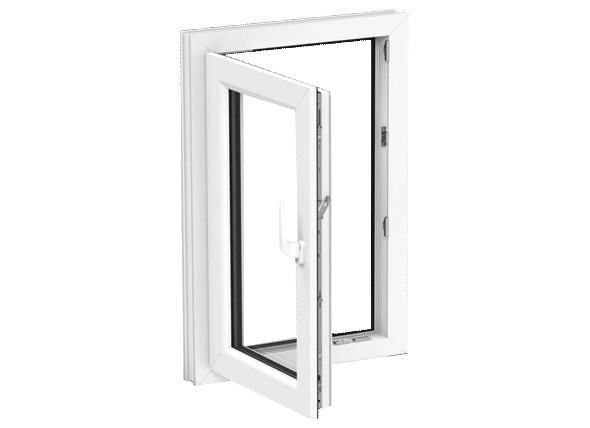
A tilt and turn window is a special type from Europe. It has one handle for three actions: locked, tilt for air, and full open for cleaning. This makes it easy to get in and out in case of an emergency.
It uses special locks and hidden gears for smooth movement. The hinges inside help keep it secure and tight. This design is different from regular windows.
These windows are made for cold places like Canada. They use strong materials and special glass to keep warm in. This makes them very good at saving energy.
Here are the main benefits for homeowners:
- It can open for air or fully open for cleaning and getting out;
- It’s very secure because of its locks and hinges;
- It keeps air in well, which saves energy;
- It’s easy to clean from inside;
- It looks modern and comes in many styles.
But, there are some downsides. They cost more than other windows because of their complex design. The handle might take some getting used to. They also take up a bit more space because of their strong frames.
They’re best for places like bedrooms, kitchens, and upstairs rooms. They work well in new homes and places with cold weather. This is because they have special glass and seals.
Getting them installed right is key. You need someone experienced to make sure they work well. Choosing a local company like Total Home Windows & Doors helps with support and fitting them right for your area.
| Feature | Tilt and Turn | Typical Impact |
|---|---|---|
| Operation | Tilt for ventilation; turn for full inward opening | Versatile window ventilation options and easy cleaning |
| Security | Multi-point locking, internal hinges | Higher resistance to forced entry |
| Thermal Performance | Triple glazing, Low-E, warm-edge spacers | Strong energy efficient windows for cold climates |
| Cost | Higher upfront (approx. $700–$1,500 CAD per unit) | Greater initial investment, long-term efficiency gains |
| Maintenance | Interior access for cleaning; specialized hardware | Easier upkeep; potentially costlier repairs |
Explore energy-efficient options
Compare Energy Efficiency Between Casement and Tilt and Turn Windows: Comparison Table
We show a side-by-side look at energy use for casement vs tilt and turn windows in Canada. This comparison focuses on sealing, glazing, U-values, ventilation, and weather durability. It helps you make smart choices.
Sealing and air-tightness differ by design. Tilt and turn windows have multi-gasket systems and multi-point locking for less drafts. Casement windows use compression seals and crank hardware that seal well at first but may lose efficiency over time.
| Factor | Tilt and Turn | Casement |
|---|---|---|
| Sealing & Air-tightness | Multi-gasket, multi-point locks; superior draft resistance in practice | Compression seals with crank; very good initially, may decline with wear |
| Glazing Options | Often specified with double or triple glazing, Low-E coatings, warm-edge spacers | Supports double or triple glazing; triple glazing less common in real installs |
| Typical U-value (heat loss) Range | Can reach low U-values (examples near 0.99 W/m²·K when triple glazed) | Typical ranges ~1.2–1.6 W/m²·K depending on glazing and seals |
| Ventilation & Thermal Control | Tilt mode permits controlled ventilation with limited heat loss | Full open provides high airflow but less controlled ventilation in cold months |
| Weather Durability | Multi-chamber frames and drainage; designed for harsh climates when maintained | Hinges and seals more exposed; may require more frequent maintenance |
| Material Notes | Vinyl (uPVC) offers excellent thermal resistance; aluminium needs thermal breaks | Same material considerations apply; installation quality is key for performance |
For passive-house goals or the coldest Canadian zones, tilt and turn units with triple glazing are best. Choose certified energy efficiency windows and professional installation to meet targets in a real project.
When comparing window design differences, consider local suppliers and installers. For vinyl units in the Greater Toronto Area, Total Home Windows & Doors is an example of a local supplier.
Both types can qualify for ENERGY STAR® with the right frames, glazing, and installation. Our comparison shows that choosing certified products, proven U-values, and airtight installation is key.
Cost Analysis: Comparison Table
We provide typical costs for buying and installing windows. Casement windows cost between $350–$1,000 per window. This depends on size, material, and glass type. Tilt and turn windows cost more, from $700–$1,500 on average. Some high-end models can cost up to $3,500 for large sizes and triple glazing.
Installation costs vary based on the type of window. Casement windows are quicker to install and cost less. Tilt and turn windows need more skill and time. This makes them more expensive to install.
| Item | Casement | Tilt and Turn |
|---|---|---|
| Base product cost (per unit) | $350–$1,000 | $700–$1,500; premium $1,000–$3,500 |
| Relative price vs comparable unit | Baseline | 20–40% higher on average |
| Typical installation labour | Lower; standard installers | Higher; specialist installers required |
| Hardware complexity | Simple hinge and crank hardware | Multi-point internal mechanism |
| Maintenance and repair | Cheaper repairs; exposed hinges may need earlier attention | Costlier repairs but easier interior access |
| Energy and lifecycle value | Good performance; may need seal or hardware work sooner in extreme climates | Higher upfront cost with better long-term energy savings and security benefits |
| Example budget fit | Mid-range full-home replacement often lower total initial investment | Performance retrofit or new build recommended when budget allows |
Get detailed quotes that show unit cost, glass type, installation, flashing, and warranty. Compare different installation options. Make sure they are ENERGY STAR or CSA certified for Canada.
When buying windows, think about their lifespan and energy savings. Compare the cost of windows in Canada to the savings on heating. This can help justify the higher cost of tilt and turn windows in many cases.
Casement vs Tilt and Turn Windows: What’s Best for Your Home?
Choosing between casement and tilt and turn windows depends on several factors. Room use, climate, and budget are key. Tilt and turn windows are great for bedrooms and upper floors. They are safe and easy to clean from inside.
For ground-floor living rooms, casement windows are better. They open wide for better airflow. They are also cheaper in vinyl and can be sealed well for good insulation.
Start by thinking about your room’s purpose and how much space you have. Then, consider your local climate. In cold areas, tilt and turn windows with triple glazing are best. If you’re on a tight budget, vinyl casements are a good choice.
Get your home measured and ask for quotes from two installers. Look for U-value, SHGC, and ENERGY STAR ratings. Check warranties and installation terms. Local suppliers like Total Home Windows & Doors can help with climate-specific builds.
For good ventilation and easy access, choose tilt and turn windows. For better airflow and a lower cost, go for casement windows. This guide will help you decide which is best for your home.
FAQ
What is the main difference between casement and tilt-and-turn windows?
Casement windows open like a door. They have a crank and seal tightly when closed. Tilt-and-turn windows open in two ways. They tilt inward for air or swing fully for cleaning. These styles differ in how they open, their hardware, and how they let in air. They also need different installation.
Which window type is more energy efficient in Canadian climates?
Both can save energy with the right frames and glazing. Tilt-and-turn windows are better in cold areas. They have a tight seal and low U-values. High-quality casements can also meet energy standards. They have seals and glazing that help save energy.
How do material choices affect performance?
The material you choose is key. Vinyl is good for keeping heat in and is easy to care for. Wood looks traditional but needs upkeep. Aluminum is slim but needs special thermal breaks. Hybrid wood-aluminum combines looks with durability. Pick materials that work well with glazing and thermal breaks.
Which style offers better ventilation?
Casement windows let in a lot of air when open. They’re great for cooling and cross-ventilation. Tilt-and-turn windows offer controlled air. They tilt for air and turn for more airflow and cleaning.
Are there differences in security between the two?
Yes. Tilt-and-turn windows have strong locks and hinges inside. Casements are secure too, but may need more locks.
How do maintenance and cleaning compare?
Tilt-and-turn windows are easy to clean. They open inward for full access. Casements open outward, making exterior cleaning harder. Casement parts are more exposed to weather. They may need more upkeep in harsh climates.


