Did you know windows can lower heating costs by up to 15%? This is true for homes in Canada, from Vancouver to Halifax. Choosing the right windows is more than just looks. It’s about comfort and saving money.
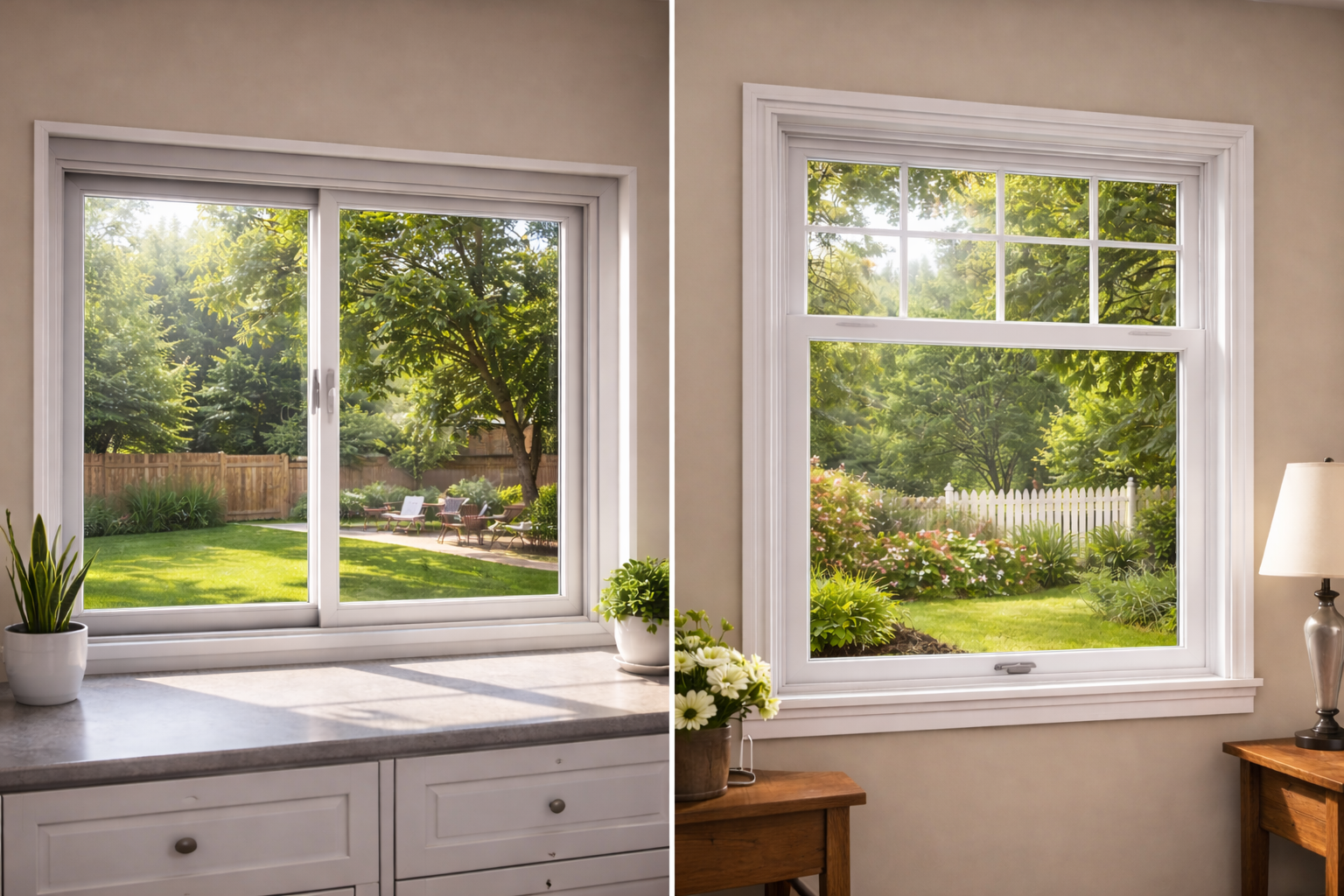
This article is for Canadian homeowners. We’re comparing horizontal vs vertical sliding windows. Horizontal sliders move side-to-side, while vertical ones move up-and-down. Both have good points and bad for things like air flow and cleaning.
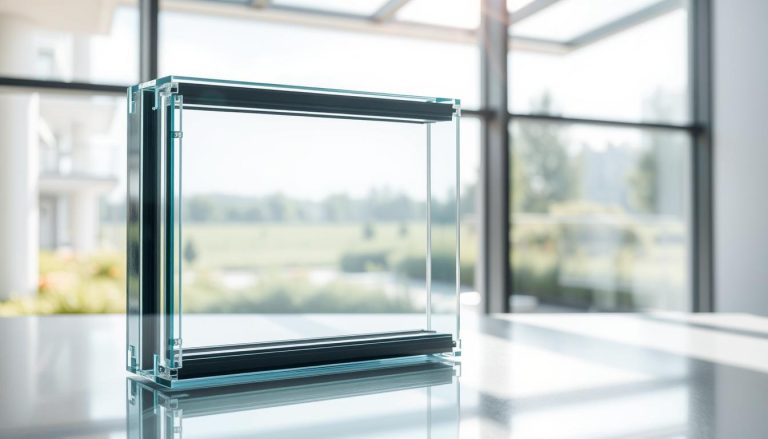
Today’s sliding windows are energy-smart. They have double- or triple-glazed glass, special coatings, and gas fills. Look for ENERGY STAR and CSA labels. The material of the frame, like vinyl or wood, also affects how well they keep heat in.
We’ll talk about things like air flow, cleaning, and safety. We’ll also mention local places like Total Home Windows & Doors. This way, you can find the right windows for your home in Canada.
Key Takeaways
- Choosing between horizontal vs vertical sliding windows affects energy, ventilation and sightlines.
- Both styles can meet Canadian standards when paired with high-performance IGUs and proper frames.
- Material choice—vinyl, aluminium, wood, fibreglass or hybrid—matters for insulation and maintenance.
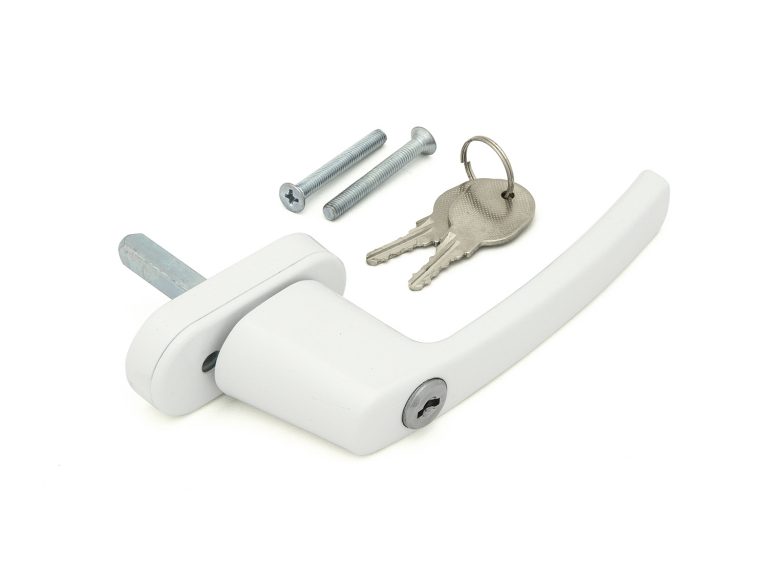
- Security and accessibility features vary; consider multi-point locks and vent limiters.
- We will compare costs and performance to help find the best sliding windows for homes in Canada.
Window and Doors Replacement Near Me
What is a Horizontal Sliding Window?
Horizontal sliding windows move along a track. They have rollers or gliders for smooth movement. You can find them in single-slider, double-slider, or three-lite slider types.
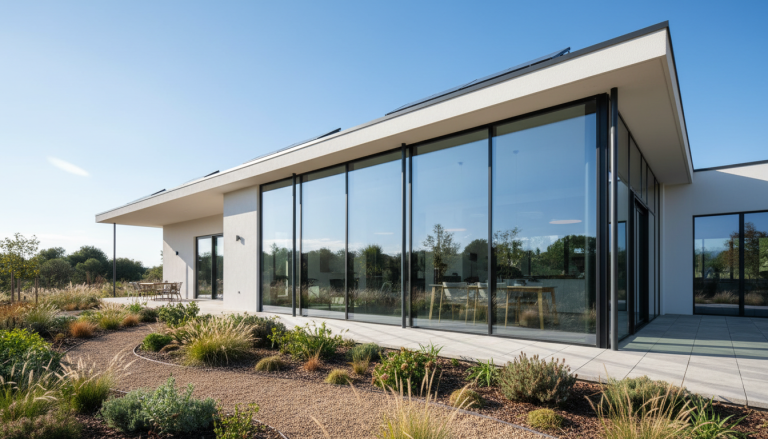
These windows need a strong track and sealed rollers to work well. They are easy to clean because you can lift out the sashes. They’re great for sunrooms and wide living areas because they let in lots of light.
We’ve listed the good and bad points of sliding windows. They save space and let in lots of light. They’re also easy to maintain, making them perfect for condos.
How well they keep energy in depends on the glass and frame. Modern options include double-glazing and special coatings. These help keep your home warm in Canada’s cold.
But, there are downsides. They might not be as tight as casement windows. Cleaning big windows can be tough without a lift-out feature. And, some frames might not keep heat in unless they’re special.
Keeping them in good shape is important. Clean the tracks and oil the rollers to keep them working. You can also add locks and special glass for more safety.
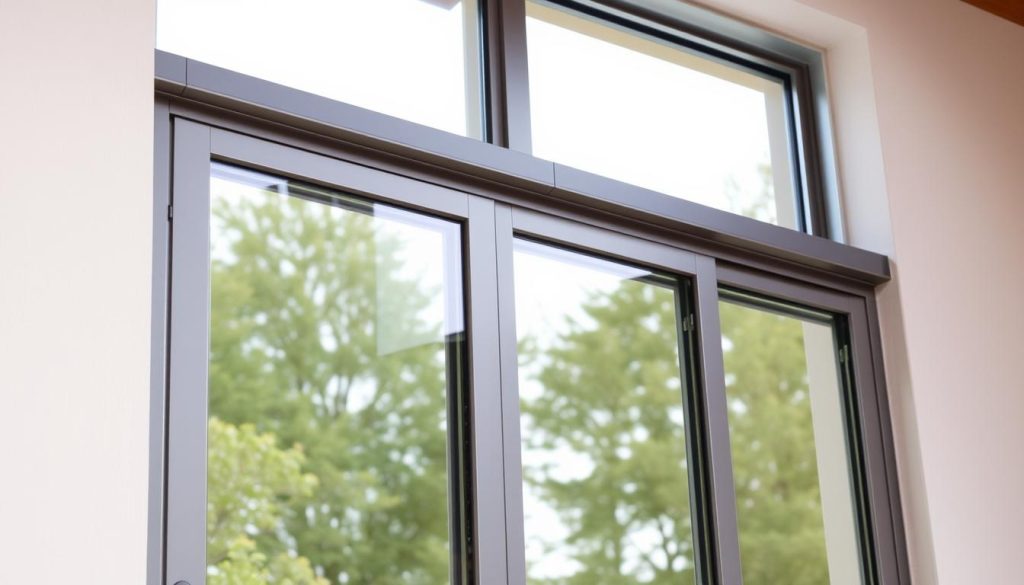
They’re best for rooms where you want lots of light. This includes living rooms, kitchens, and sunrooms. They also fit well in modern homes and when you’re updating old windows.
For a smooth installation, get a guide from a trusted local company. Companies like Total Home Windows & Doors offer good options for Canadian homes. They can help you choose the right glass and frame for your area.
What is a Vertical Sliding Window?
Vertical sliding windows, also known as hung windows, slide up and down. They have a fixed top sash and a movable bottom sash. This design allows for flexible ventilation and easy cleaning.
Their mechanics are simple. They consist of a frame, sashes, balances, weatherstripping, and locks. Modern versions use friction balances for less maintenance and to prevent sashes from falling.
These windows offer great ventilation. Double-hung models let you control airflow from the top or bottom. You can also stack the sashes for more ventilation.
They are great for narrow walls and tall rooms. They also fit well in areas where horizontal sliders are blocked.
Vertical windows keep your view unobstructed. They are perfect for traditional homes. Cleaning the sashes is easy, even in tall homes.
They also keep your home warm. They have insulated glass, Low-E coatings, and gas fills. These features meet Canada’s climate needs.
But, there are some downsides. Opening them can be hard if the balances fail. Wide openings might need more than one unit.
Low-quality windows can have problems like sash drop. Upgrading to bigger windows can be expensive.
They work best in tall spaces, bedrooms, and enclosed porches. Choose tilt-in or lift-out sashes and quality balances for the best performance.
| Feature | Why it matters | When we recommend it |
|---|---|---|
| Ventilation control | Top-and-bottom sash movement allows staged airflow | Tall rooms, bedrooms, narrow wall sections |
| Cleaning access | Tilt-in sashes enable interior cleaning of exterior glass | Multi-storey homes, sunrooms, hard-to-reach windows |
| Thermal upgrades | IGUs, Low-E, gas fills, warm-edge spacers improve efficiency | Canadian climates, energy-focused projects |
| Suitability for wide openings | Requires multiple units or divided glazing, which affects cost | Homes needing large continuous glass areas may prefer alternatives |
| Maintenance | Quality balances prevent sash drop and ease operation | Choose trusted brands like Andersen or Pella for durability |
Explore energy-efficient options
Compare Energy Efficiency Between Horizontal and Vertical Sliding Windows
Below, we compare key features of horizontal and vertical sliding windows. This helps you see how each handles energy efficiency.
Always ask for U-factor, SHGC, and air leakage values from manufacturers and installers. Contact Total Home Windows & Doors for product data sheets. They can help you choose the right IGU and frame for your home.
| Metric | Horizontal Sliding Window | Vertical Sliding Window |
|---|---|---|
| Glazing options | Available with double- or triple-glazed IGUs and Low-E coatings. Triple-pane with argon or krypton lowers U-factor for cold climates. | Also offered in double- and triple-glazed IGUs with Low-E. Tilt-in sashes ease inspection of seals for long-term performance. |
| Gas fills | Argon or krypton fills are common, reducing conductive heat transfer and improving overall thermal resistance. | Identical gas-fill benefits apply; installers can specify argon or krypton to meet local energy targets. |
| Warm-edge spacers | Warm-edge spacers such as duralight soft edge reduce edge conduction and extend seal life in slider IGUs. | Same spacer choices available; proper spacer selection supports lower condensation risk on the sash perimeter. |
| Frame thermal performance | Vinyl and foam-filled multi-chamber frames offer low thermal conductivity. Aluminium needs thermal breaks or hybrid fusion design to match insulation. | Fibreglass and composite frames perform well. Vertical sliders can use the same insulated frame options for strong thermal resistance. |
| Air leakage & seals | Quality weatherstripping, multi-point locks and precision tracks are vital. Track debris can increase leakage risk unless maintained. | Precision-engineered tracks and good weatherstripping yield low air leakage. Tilt-in designs allow easier interior seal maintenance. |
| CSA / ENERGY STAR ratings | Ratings available; choose certified units with published U-factor, SHGC and air leakage figures for Canadian homes. | Same certification path. Verify product data sheets to confirm rating equivalence between orientations. |
| Recommended setup for cold climates | Triple glazing + Low-E + argon/krypton + warm-edge spacer + insulated frame (vinyl/foam or hybrid fusion). | Triple glazing + Low-E + argon/krypton + warm-edge spacer + insulated frame. Tilt-in sash can aid ongoing seal checks. |
| Recommended setup for mild climates | High-quality double-glazed IGU with Low-E and argon fill often suffices while keeping costs lower. | Double-glazed IGU with Low-E and argon fill works well. Choose durable weatherstripping for prolonged airtightness. |
Cost Analysis: Comparison Table
We have a clear cost framework for comparing sliding windows. It shows the difference between horizontal and vertical windows. The table below lists prices based on product type, glazing, frame material, and installation difficulty. It’s a good starting point for budgeting and talking to local suppliers.
| Category | Typical Configurations | Low Range (CAD) | Mid Range (CAD) | High Range (CAD+) | Notes on Upgrades & Installation |
|---|---|---|---|---|---|
| Single-slider / Single-hung | Basic sash, single/double glazing | $300–$700 | $700–$1,000 | $1,000–$1,600+ | Vinyl is the cheapest. Double or triple glazing and fibreglass increase cost. Simple installs are cheaper. |
| Double-slider / Double-hung | Two moveable sashes, better ventilation | $400–$900 | $600–$1,400 | $1,040–$2,080+ | Double glazing is common. Triple glazing and composite frames cost more. Adding hardware and security increases price. |
| Three-lite & Multi-panel | Wide openings, multi-track systems | $900–$1,800 | $1,800–$4,000 | $4,000–$10,000+ | Custom sizes and WeatherMaster™ systems need specific quotes. Adding screens and ViewFlex panels is extra. |
| Frame material impact | Vinyl, aluminium, wood, fibreglass, hybrid | Vinyl lowest | Aluminium / wood mid | Fibreglass / hybrid highest | Insulated frames and hybrid fusion cost more upfront. They save on heating and cooling in cold climates. |
| Glazing upgrades | Single, double, triple IGUs | Single lowest | Double common | Triple highest | More glazing means higher cost. Low-E coatings and gas fills improve energy efficiency. |
| Hardware & security | Locks, tempered glass, limiters | $25–$100 | $100–$400 | $400–$900+ | Multi-point locks and child-safe hardware add to cost. Security glazing is more expensive. |
| Custom finishes & extras | Colours, integrated blinds, retractable screens | $100–$300 | $300–$900 | $900–$2,500+ | Special colours and integrated systems like retractable screens increase price. WeatherMaster™ options are often custom. |
| Installation complexity | Simple retrofit, irregular openings, sunroom tracks | $100–$400 | $400–$1,200 | $1,200–$5,000+ | Installing in irregular openings and multi-panel systems costs more. Local installers ensure quality. |
Think about the long-term value, not just the initial cost. Basic vinyl sliders might save money upfront but could increase energy costs in cold weather. Investing in better IGUs and insulated frames can save on heating and cooling over time.
Get quotes from local manufacturers and installers. Look for product performance data like U-factor, SHGC, and air leakage. Compare total costs, warranties, and references before making a decision.
Use this guide to compare costs during quoting. It helps understand the difference between horizontal and vertical windows. It ensures you get accurate pricing for custom systems.
Horizontal Sliding Windows vs Vertical Sliding Windows: What’s Best for Your Home?
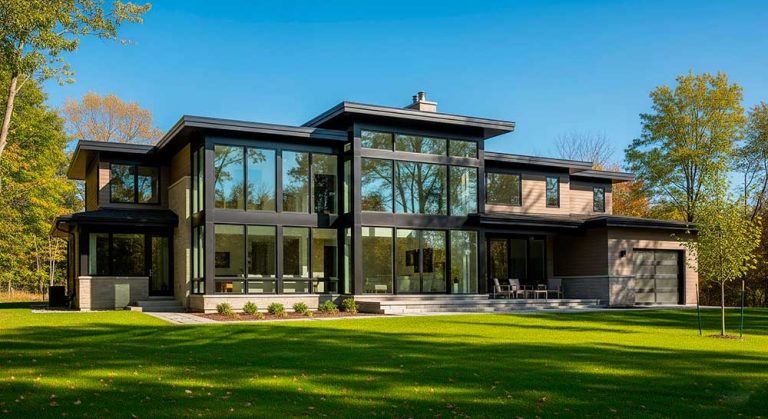
Choosing between horizontal and vertical sliding windows depends on several factors. These include the size of the opening, how much air you need, and the look you want. Horizontal sliders are great for wide views and modern looks. They open easily and let you see everything.
Vertical hung windows are better for tall, narrow spaces or classic homes. They keep the old look and let air in from the top and bottom.
When comparing practicality, think about how easy they are to use and clean. Horizontal sliders are better for people who can’t reach far. But vertical hung windows are easier to clean because they tilt in.
Both types can save energy if you choose the right glass. Look for triple glazing, special coatings, and gas fills. These make them warm and save energy.
Cost is also important. Spend on good frames and parts to avoid fixing them later. Check the energy ratings and choose the right glass for your area. This way, you get the most value from your windows.
Before buying, check the ratings and choose the right glass for your area. Pick durable frames and think about how easy they are to use. Also, make sure the installer is certified. This way, you get windows that are both efficient and look good in Canadian homes.
FAQ
What’s the difference between horizontal sliding windows and vertical (hung) windows?
Horizontal sliding windows move side-to-side and are also called sliders or gliders. They have sashes on rollers. You can find single-slider, double-slider, and three-lite units. Vertical sliding windows, or hung windows, move up-and-down. They have a fixed upper sash in single-hung units. Double-hung units have both sashes moving and can tilt for cleaning.
Which sliding window type is better for energy efficiency in Canadian climates?
The best type depends on more than just orientation. Both horizontal and vertical sliders can be very energy-efficient. They need triple glazing, Low-E coatings, and gas fills for best results. For very cold areas, like Winnipeg and Calgary, triple-pane IGUs are recommended. Also, choose certified CSA/ENERGY STAR products and low-conductivity frames.
Are horizontal sliders less airtight than vertical hung windows?
Sliders might leak air more if the tracks, seals, and rollers are not good quality. But, modern sliders can be very airtight. They have precise tracks, multi-point locks, and weatherstripping. It’s important to look at product ratings for air leakage and get them installed by professionals.
Which style offers better ventilation?
Ventilation depends on the type. Double-hung windows offer airflow from top and bottom. They also stack for ventilation. Horizontal sliders are great for wide openings and panoramic views. Choose vertical hung for adjustable airflow at different heights. Choose horizontal sliders for wide ventilation.
How do maintenance and cleaning compare between the two types?
Double-hung windows are easier to clean from inside because their sashes tilt in. Sliders are easier to clean from outside, but big panes can be hard without lift-out features. Both need track cleaning and seal checks to stay airtight and work well.
Which is better for accessibility and ease of use?
Sliders are easier for people with limited reach or mobility. They slide horizontally and need less lifting. Vertical hung windows are also easy to use with modern balances or tilt-in sashes. But, old counterweight systems or worn balances can make them harder to use.
What frame materials are recommended for sliding windows in Canada?
Choose frame materials based on your budget and thermal needs. Vinyl is cost-effective and insulates well. Fibreglass and composite frames are durable and stable. Aluminium needs thermal breaks or hybrid fusion to avoid high U-factors. Hybrid frames offer slim profiles and good insulation, great for big glass areas.
How do costs compare between horizontal sliders and vertical hung windows?
Costs depend on the type, glazing, and frame material. Prices range from 0 to ,000. Custom options like WeatherMaster™-style installations cost more and need specific quotes.
What security features should we look for in sliding windows?
Look for multi-point locks, reinforced meeting rails, and tempered or laminated glass. Vent limiters and child-safe restrictors are also important. Quality rollers and sash interlocks reduce entry risks. For big panels, consider additional keyed sash locks and laminated glazing for extra protection.
How should we decide between horizontal and vertical sliding windows for our home?
Consider opening size, ventilation needs, accessibility, aesthetics, and climate. Choose horizontal sliders for wide openings and easy operation. Choose vertical hung for tall, narrow openings and adjustable ventilation. Focus on IGU specs, frame quality, and certified installation for thermal performance.
What specifications should we request from manufacturers or installers?
Ask for U-factor, SHGC, and air leakage ratings for the exact product. Check for double or triple glazing, Low-E coatings, and gas fills. Warm-edge spacers and frame construction are also important. Verify ENERGY STAR and CSA certifications, warranty coverage, and installation references. Local manufacturers/installers can provide detailed product data sheets and recommendations.
Are sliders a good choice for condos and urban homes?
Yes. Sliders are space-saving and don’t swing outward. They fit well in tight spaces found in condos and cities. They also let in more light and views, fitting modern urban design. Make sure they have high-performance IGUs and proper thermal framing for energy efficiency.
What common problems should we expect and how do we avoid them?
Sliders might have track debris and roller wear. Hung windows can have balance wear or sash drop. Seal failure is common over time. Choose quality hardware, maintain regularly, and use warm-edge spacers and durable frames. Professional installation and correct flashing/sealing prevent air and water leaks.
Can both window types accommodate integrated blinds, retractable screens or custom finishes?
Yes. Many manufacturers offer integrated blinds, retractable screens, and custom colours or finishes for both sliders and hung windows. Custom track systems like WeatherMaster™ ViewFlex panels offer flexibility for porches and sunrooms but cost more and need specific quotes.