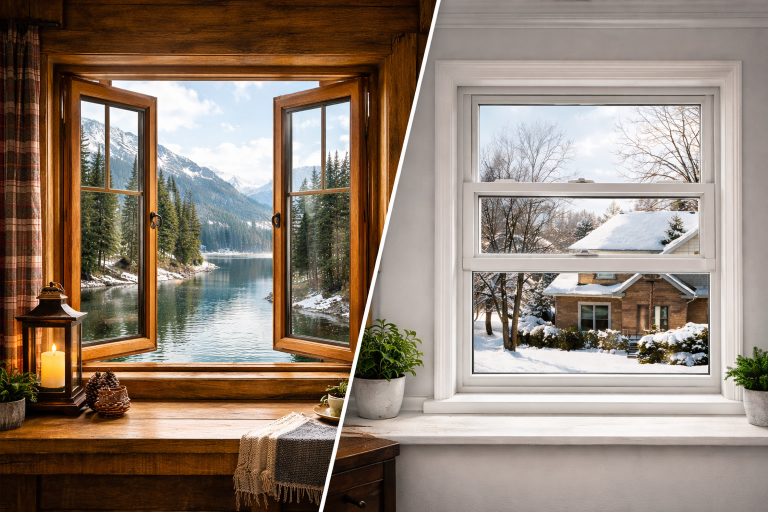
Nearly 40% of Canadian homeowners say replacing windows made their homes more comfortable and valuable. This shows that choosing between a sliding window and a double hung is important.
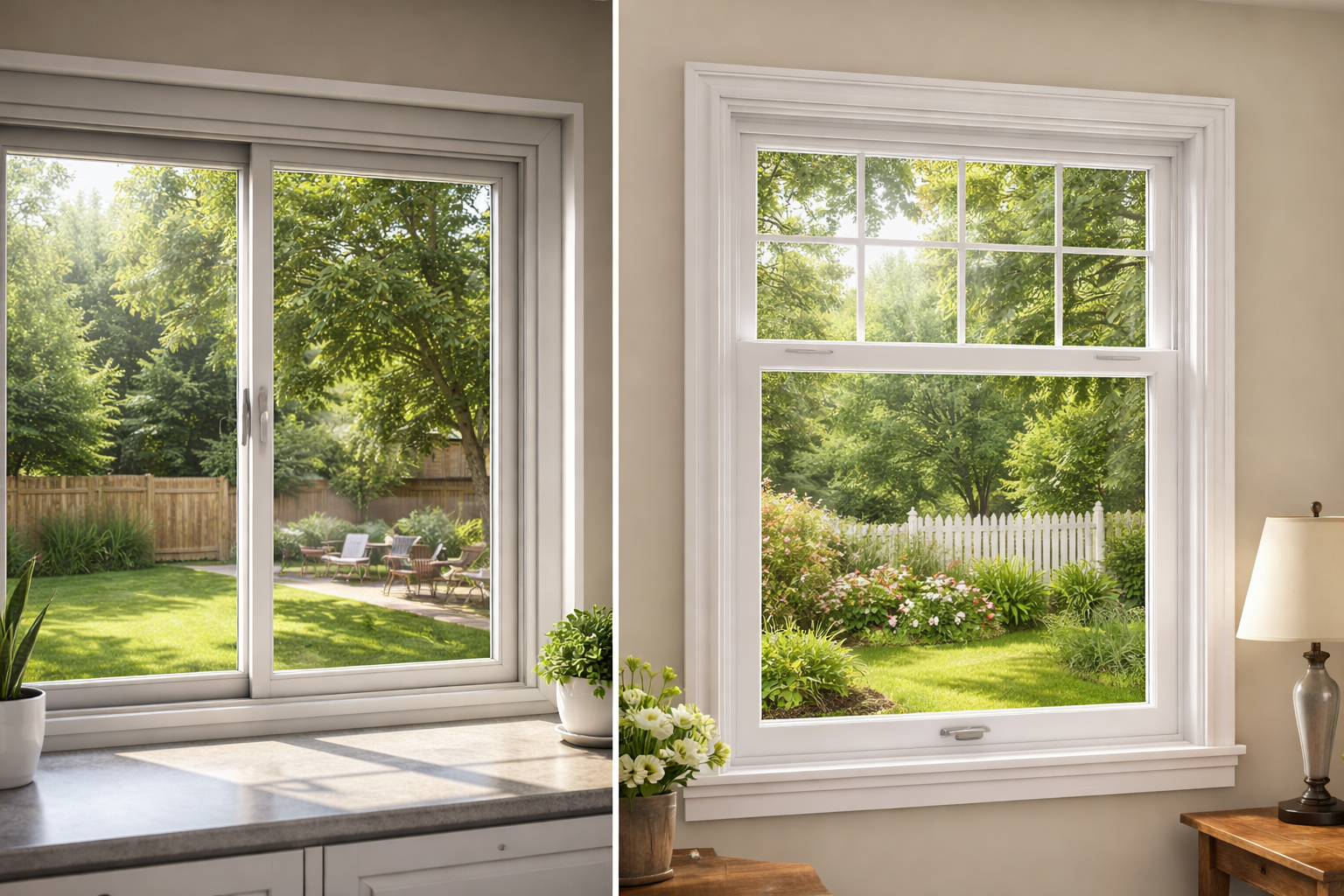
In this guide, we aim to help you pick the right window for your home. A sliding window moves side to side, while a double hung moves up and down. This affects how air moves, what you see, and how easy it is to clean.
But, what really matters is how well the window is made and installed. Things like the frame, glass quality, and how well it’s sealed are key. These factors affect how much energy it uses and its long-term value.
Both types are liked for their simplicity and cost-effectiveness. For those in Canada looking for vinyl windows, Total Home Windows & Doors in the GTA is a good choice. They have been making windows for over 15 years, knowing what works best for the local climate.
We will explain each type of window, talk about their good and bad points, compare energy use, and look at costs. We’ll also help you choose based on your needs for air, maintenance, and saving energy in Canada.
Key Takeaways
- Choosing between a sliding window and a double hung depends on how the sash moves and the air flow it allows.
- When comparing windows, focus on materials, glass quality, and how well it’s installed, not just looks.
- Both styles fit well with different home styles and often cost the same if matched correctly.
- Energy efficiency comes from the glass, gas fill, and seal quality, not just how it opens.
- Total Home Windows & Doors offers local vinyl options for GTA homeowners looking for climate-friendly windows.
Window and Doors Replacement Near Me
What is a Sliding Window?
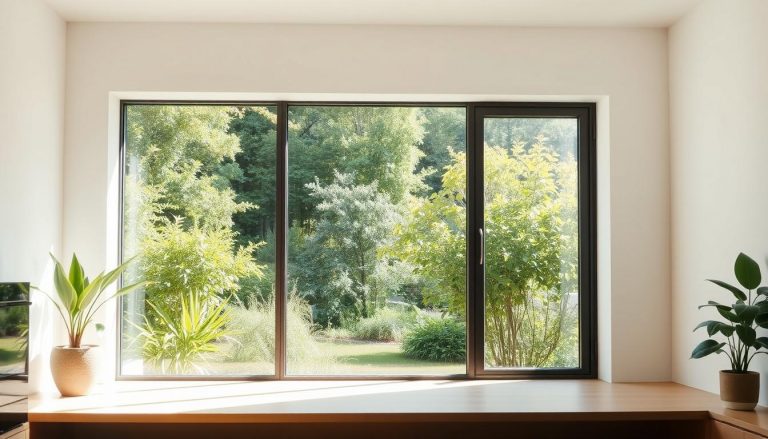
A sliding window is a type of window that moves horizontally. It has different types like single slider, double slider, and triple slider. Lift-and-slide designs also exist, making the window tighter and smoother.
The main parts of a sliding window are the frame, glass, sashes, sill, and locks. The sashes slide on rollers in tracks. For smooth movement, the rollers need to be low-friction and well-kept.
Frames can be made of vinyl, aluminum, wood, fiberglass, or composite. Vinyl is easy to maintain and keeps heat well. Fiberglass and composite are strong and save energy. Aluminum is durable but needs special breaks for energy efficiency.
Sliding windows are great because they save space and let in lots of light. They are simple to use and have fewer parts sticking out. Lift-and-slide options make them even better for keeping air in.
But, there are downsides. Tracks can get dirty and need cleaning. Seals and rollers can wear out, letting air in. They also don’t open like vertical windows do.
They work best in wide spaces for better views. They’re good for main-floor rooms and modern homes. They’re also great for tight spaces like narrow walkways.
To keep them working well, use good glass and spacers. Check seals and weatherstripping often. Vinyl helps in wet seasons. Think about the view and energy efficiency when choosing between sliding and double hung windows.
What is a Double Hung Window?
A double hung window has two sashes that slide up and down. They can move on their own. This makes cleaning the glass easy from inside tall homes.
It has a frame, two sashes, and insulated glass. It also has jambs, head, sill, locks, and balance systems. Old ones used weights and pulleys. New ones, like Pella and Andersen, use springs for easier use.
Double hung windows are great for air flow. Opening the top lets warm air out, and the bottom lets cool air in. This makes rooms feel fresher without big installations.
They’re also easy to clean from inside because the sashes tilt in. They meet rules for bedroom exits. Their classic look is perfect for old homes.
But, they have downsides. They have more parts, which means more maintenance. They cost 10–20% more than single-hung windows. And, the heavy sashes can be hard to lift without modern balances.
How well they keep energy out depends on the frame and glass. Vinyl and fiberglass are good for keeping warm in. But, they need tight seals and modern balances to work well.
They’re best for upper floors, bedrooms, and living rooms. They’re also good for old homes. When choosing, look at how well they’re installed and the quality of the hardware.
Explore energy-efficient options
Compare Energy Efficiency Between Sliding Windows and Double Hung Windows: Comparison Table
We’ve gathered key energy facts for you. This helps you choose the right windows for your home. Things like U-factor and SHGC depend on the IGU’s quality and materials used.
Sliding windows can seal tight if tracks are clean. Double hung windows have more seams but modern weatherstripping helps.
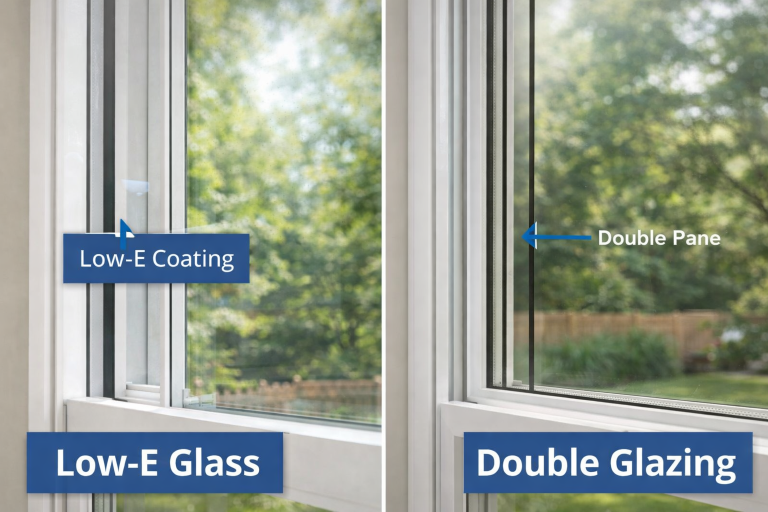
IGU quality is key. Double- or triple-pane windows with Low-E coatings and gas fills work better than single-pane. Warm-edge spacers also help reduce heat loss.
Frame material matters too. Vinyl and fiberglass are better than aluminium in Canadian weather. Hybrid frames offer slim profiles and better efficiency.
Maintenance is important. Clean and lubricate sliding window tracks to keep them sealed. Double hung windows need weatherstripping and balance replacements.
Choose the right IGU, frame, and installation for energy-efficient windows. In cold climates, go for triple-pane, Low-E, and argon or krypton fills.
| Factor | Sliding Window | Double Hung Window |
|---|---|---|
| Typical U-factor impact | Improves with double/triple-pane IGUs and gas fills; lift-and-slide models show lower infiltration | Comparable when fitted with high-quality IGUs; more seams can raise heat loss if weatherstripping is worn |
| SHGC control | Depends on glass and Low-E options; sliding units offer large glass areas for solar gain control | Same IGU options apply; operable top sash can moderate daylight and solar entry |
| IGU performance | Double- or triple-pane units with Low-E and argon/krypton deliver the biggest gains | Identical IGU improvements available; triple-pane offers best cold-climate performance |
| Air infiltration | Low when tracks and seals are maintained; lift-and-slide hardware reduces leakage | More points for leakage; modern seals and quality installation narrow the gap |
| Frame effect | Vinyl/fiberglass frames perform well; aluminium requires thermal break to match | Same material effects apply; reinforced hybrid frames balance strength and thermal control |
| Maintenance needs | Track cleaning, lubrication, seal checks | Regular weatherstrip and balance replacement, sash alignment checks |
| Practical takeaway | Sliding window with quality IGU and installation often outperforms a poorly sealed double hung | High-quality double hung equals sliding performance when IGU, frame and installation are prioritised |
Homeowners should look at U-factor and SHGC numbers, not just style. For accurate comparisons, ask for NFRC ratings and look for ENERGY STAR certification for Canadian zones.
Cost Analysis: Comparison Table
We have a clear window cost comparison to help with home improvement choices. The table below shows price ranges for single and double windows. It also lists key cost drivers in the Greater Toronto Area and Canada.
| Window Type | Entry-Level (approx.) | Mid-Range (approx.) | High-Quality (approx.) | Typical Premium vs Base |
|---|---|---|---|---|
| Single-slider / Single-hung | $300–$700 | $700–$1,000 | $800–$1,600 | Base reference |
| Double-slider / Double-hung | $400–$900 | $600–$1,400 | $1,040–$2,080 | 10–20% higher common |
We list core cost drivers so you can see where budgets shift. Frame material is a major factor: vinyl runs lowest, fiberglass and composite cost more. Glass specs also change the price: double-pane is standard, triple-pane and Low-E coatings add expense.
Hardware choices influence installation complexity and warranty. Lift-and-slide systems, multi-point locks and tilt-in sashes raise the cost. Larger openings or custom finishes will increase materials and labour.
| Cost Driver | Impact on Price |
|---|---|
| Frame material (vinyl, fiberglass, composite) | Vinyl most cost-effective; composite and fiberglass add premium |
| Glass (double vs triple, Low-E, gas fills) | Higher R-values drive costs up but improve long-term savings |
| Hardware and locking systems | Premium hardware raises upfront cost and improves performance |
| Size and customization | Custom sizes and finishes increase material and labour |
| Installation quality | Professional installation prevents efficiency losses regardless of window cost |
| Accessories (screens, blinds, coatings) | Retractable screens and integrated blinds add to the invoice |
We note value considerations for homeowners weighing sliding window vs double hung. Investing in better IGUs and frames often reduces energy bills and maintenance over time. Sliding windows with quality vinyl frames and lift hardware can match performance at moderate cost. Double-hung units often cost more but offer ventilation and cleaning convenience that some buyers prioritise.
We recommend getting local quotes from reputable suppliers like Total Home Windows & Doors, which manufactures in the Greater Toronto Area. Local production can reduce lead times, offer competitive pricing and allow more custom options for GTA homes.
For a practical window cost comparison, we suggest collecting at least three detailed quotes. Compare specifications, not just sticker prices, to answer which window is better cost for your specific needs and long-term home improvement choices.
Sliding Windows vs Double Hung Windows: What’s Best for Your Home?
We compare sliding and double hung windows based on room type, opening size, and ease of upkeep. Sliding windows are great for wide openings in living areas or near patios. They offer clear views and are easy to use.
Double-hung windows are better for upper floors because they allow for easy cleaning and better airflow. They also fit well with traditional home designs.
For those focusing on energy savings, look at the window’s insulation and installation quality. In Canada, the right window can save a lot on heating and cooling costs. Always check for U-factor and SHGC ratings and look for ENERGY STAR certification.
It’s often best to mix both types of windows. Use sliders for main floors and double-hungs for bedrooms and upper floors. Adding retractable screens can also help. Work with local experts like Total Home Windows & Doors for the best fit.
Choosing the right window depends on your needs and budget. By matching your needs to the right window, you’ll find the best option for your home.
FAQ
What is the core difference between a sliding window and a double-hung window?
Sliding windows move horizontally. Double-hung windows move up and down. Sliders use rollers and tracks. Double-hungs use balance hardware and tilt-in sashes for cleaning.
Which window style is more energy-efficient in Canadian climates?
Energy efficiency comes from good construction, not style. Insulated glass units, Low-E coatings, and proper installation are key. A well-sealed slider can match a double-hung’s energy use.
Are sliding windows better for large openings?
Yes. Sliding windows are great for wide openings. They offer clear views and fit well with patios or decks. Multi-sash sliders have lots of glass without swing issues.
Do double-hung windows offer better ventilation?
Generally yes. Double-hungs open top and bottom for better airflow. This helps control ventilation better than sliders.
Which style is easier to clean from inside the home?
Double-hung windows are easy to clean from inside. They tilt inward. Some sliders also allow inside cleaning, but double-hungs are simpler.
How do maintenance demands compare between the two styles?
Sliding windows need less maintenance. They have fewer parts and easy-to-clean rollers. Double-hungs have more hardware that needs occasional checks.
Which style better meets bedroom egress requirements?
Double-hungs are often easier for egress. But, some sliders can also meet requirements. Check local codes and window sizes for bedrooms.
How much more expensive are double-hung windows compared with sliders?
Double-hungs cost about 10–20% more than sliders. This depends on materials, glass, and hardware. Size and installation also affect the price.
What frame materials should Canadian homeowners prioritize?
Choose vinyl, fiberglass, or hybrid frames for cold climates. Vinyl is cost-effective and low-maintenance. Fiberglass and composites are strong and well-insulated. Avoid plain aluminium unless it’s special.
Are lift-and-slide windows worth the extra cost?
Yes, for wide openings. Lift-and-slide windows are airtight and easy to use. They’re worth it for energy and convenience.
How should we prioritise features when choosing between sliding and double-hung windows?
Focus on IGU quality, frame performance, and installer skill. Sliders are good for wide views. Double-hungs are better for ventilation and upper floors.
Can a mixed approach be beneficial in one home?
Yes. Use sliders for main floors and double-hungs for upper floors. This balances looks, function, and budget.
What questions should we ask a local manufacturer or installer?
Ask about U-factor, SHGC ratings, and ENERGY STAR. Check IGU details, frame material, and warranty. A local manufacturer like Total Home Windows & Doors offers advantages.
Do retractable screens improve visible transmittance compared with fixed screens?
Yes. Retractable screens block less and let in more light than fixed screens. They’re great for sliders and hung windows.
How often should we inspect and maintain our windows?
Check seals, weatherstripping, and tracks yearly. Clean and lubricate sliders as needed. Replace worn weatherstripping on double-hungs. Regular maintenance keeps them working well.
Which window style is best for heritage or traditional homes?
Double-hungs fit traditional exteriors well. They have classic looks and sightlines. Modern designs can match historic styles while being energy-efficient.
How do we decide between double- and triple-pane glass?
For cold climates, triple-pane is best. It’s more energy-efficient. Double-pane is okay if it has good Low-E coatings and is installed well, and if budget is tight.