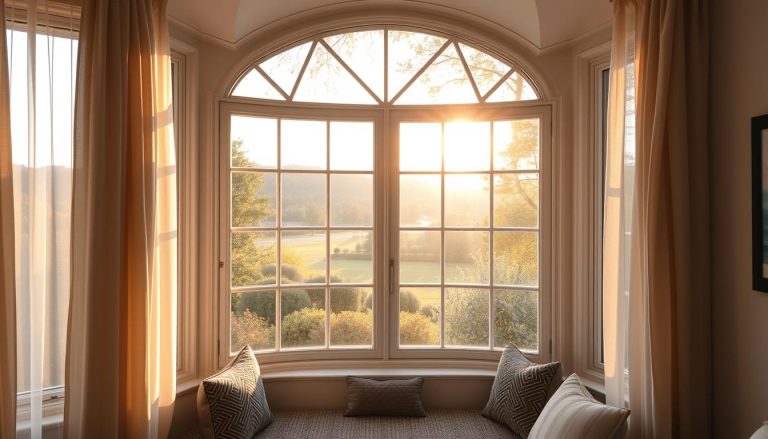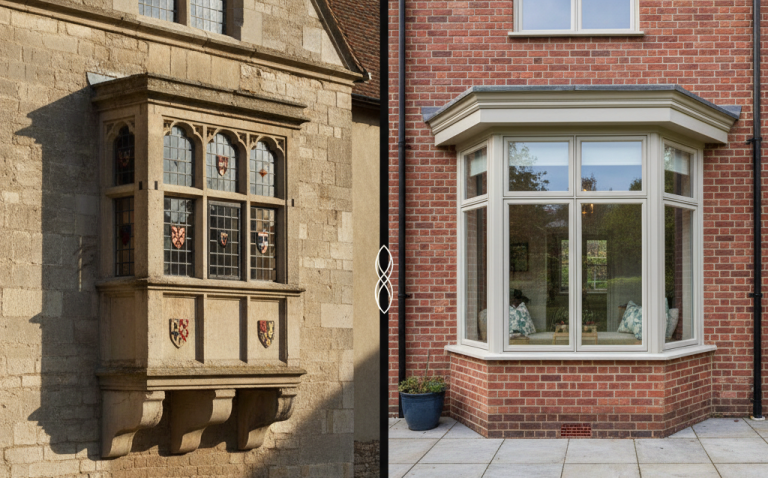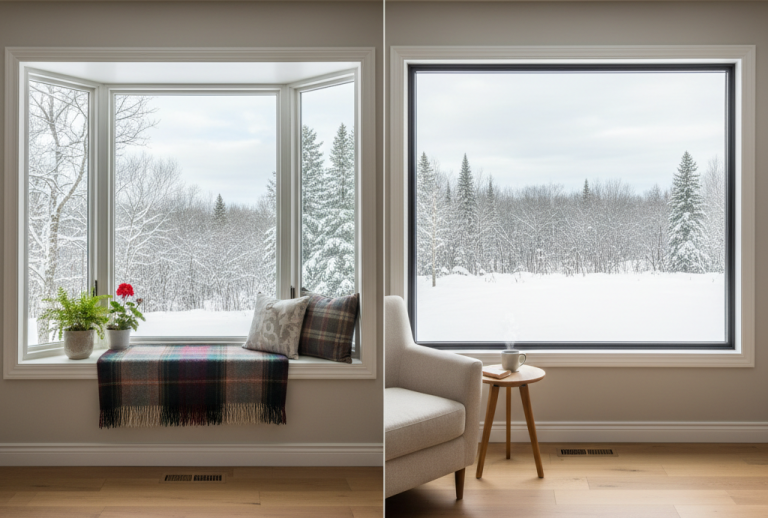











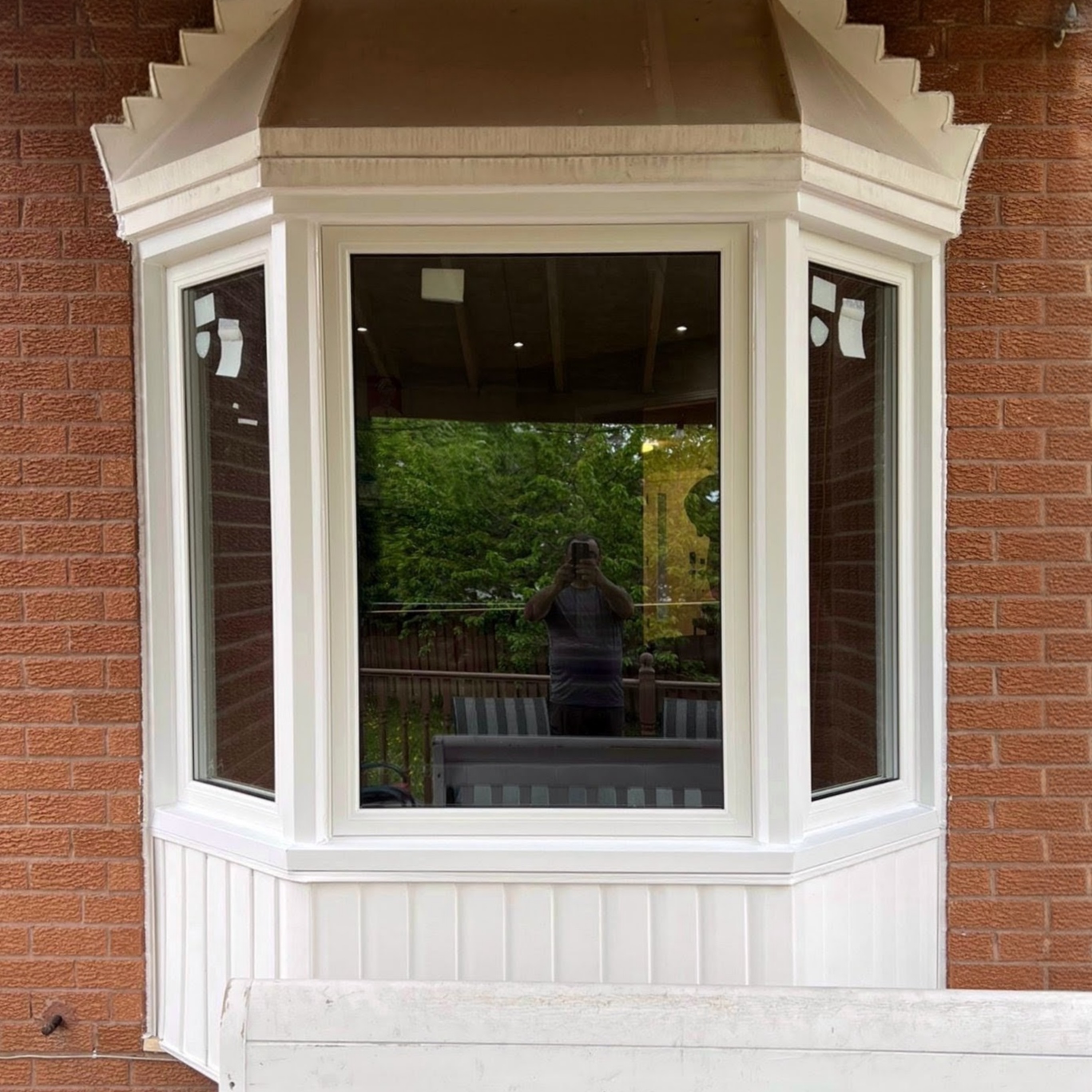
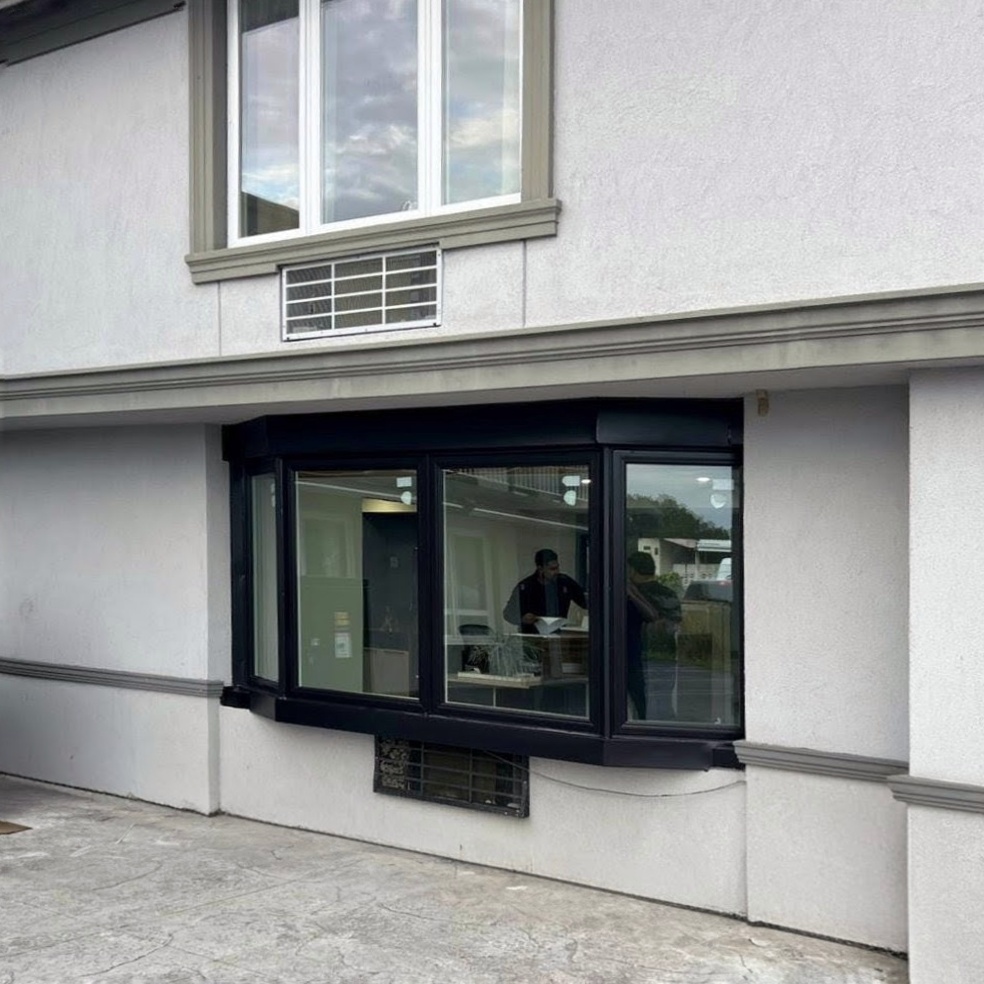
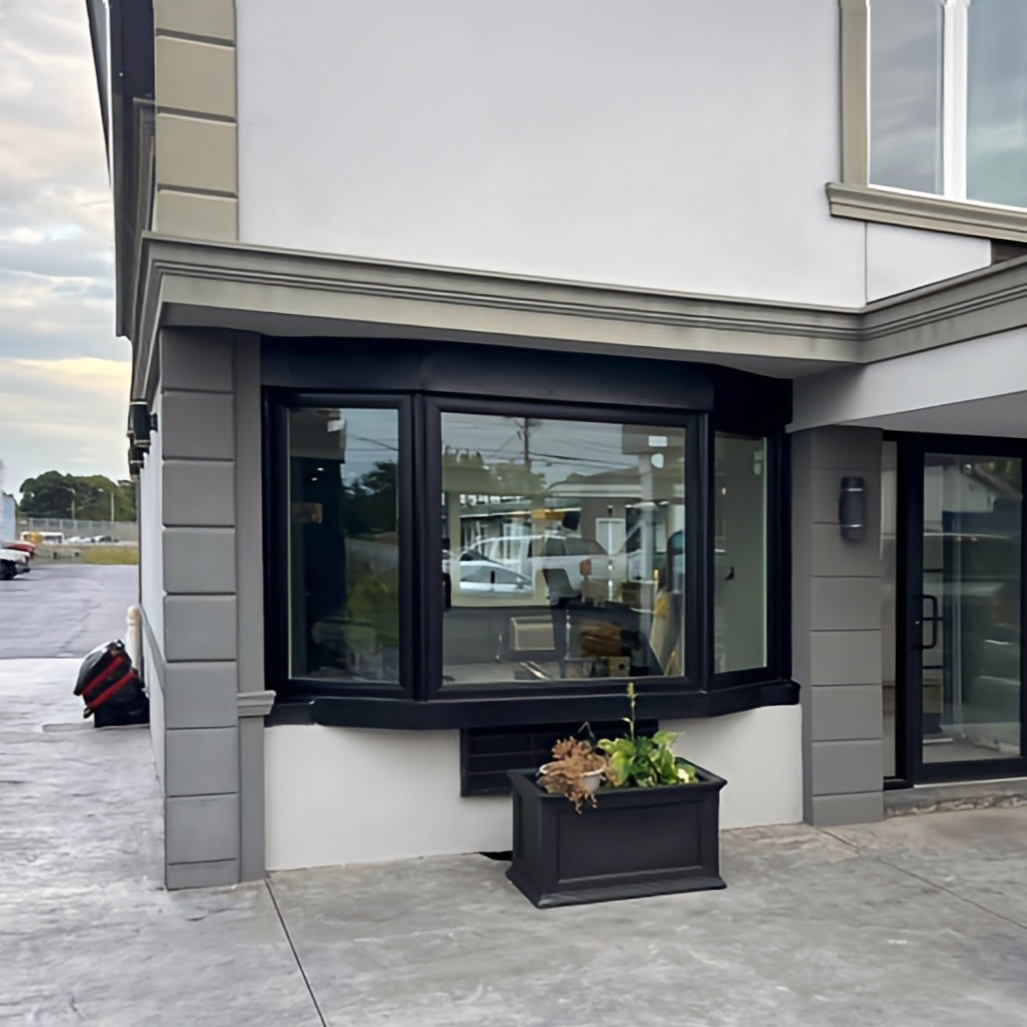
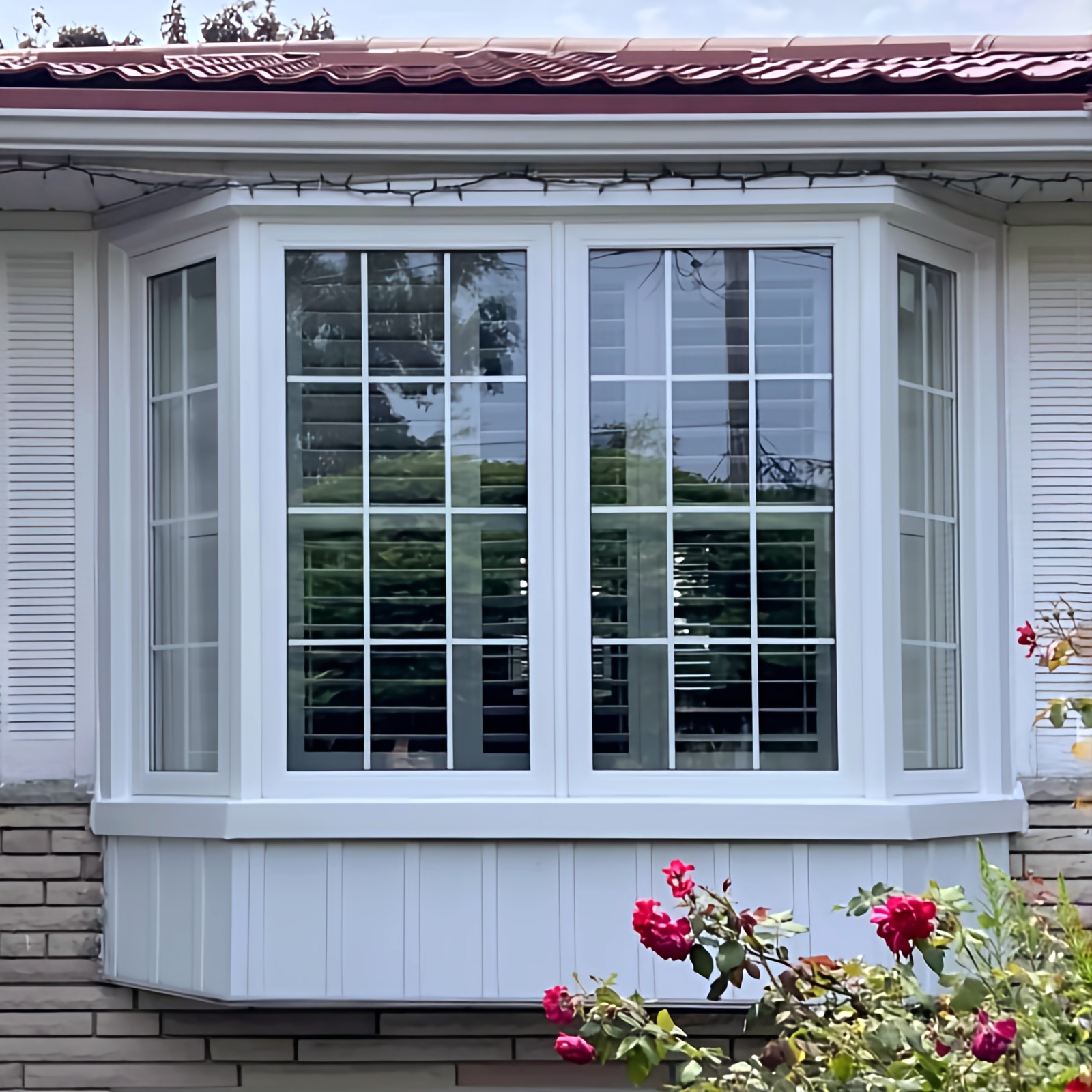


Energy-efficient vinyl bay windows add interior space, natural light, and architectural character to your home. Designed for Canadian climates, they are a popular choice for living rooms, dining areas, and front-facing spaces where homeowners want to expand views and create a distinctive exterior feature.
We’ll walk you through real numbers
By submitting this form, you agree to our Terms and Conditions
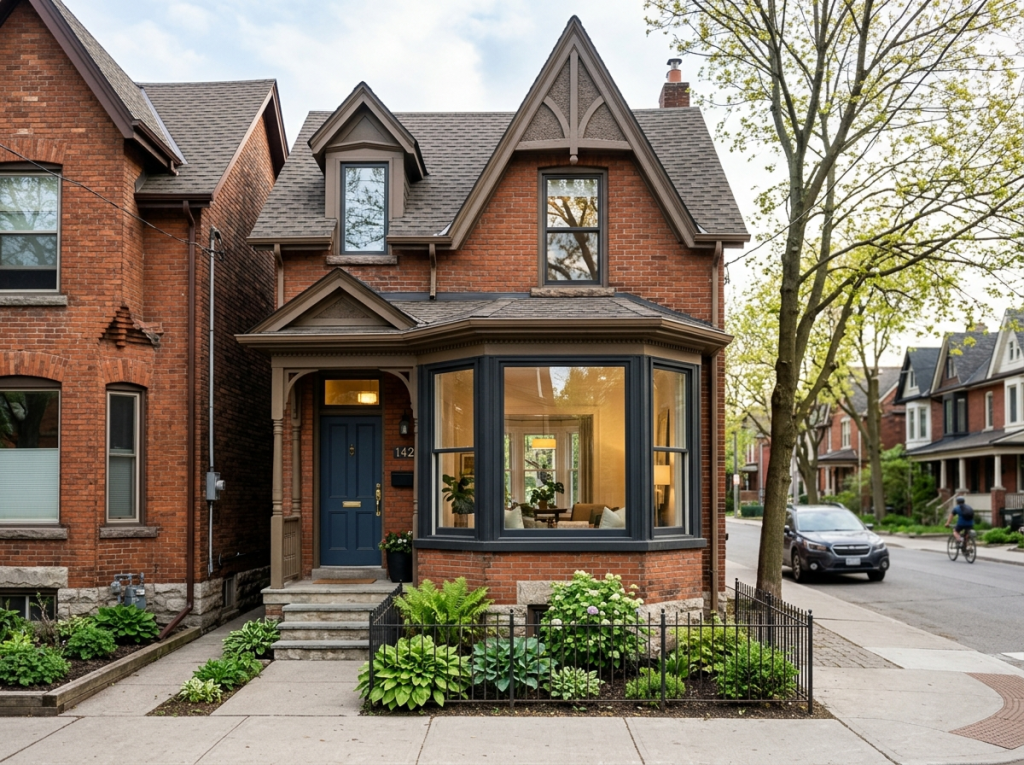
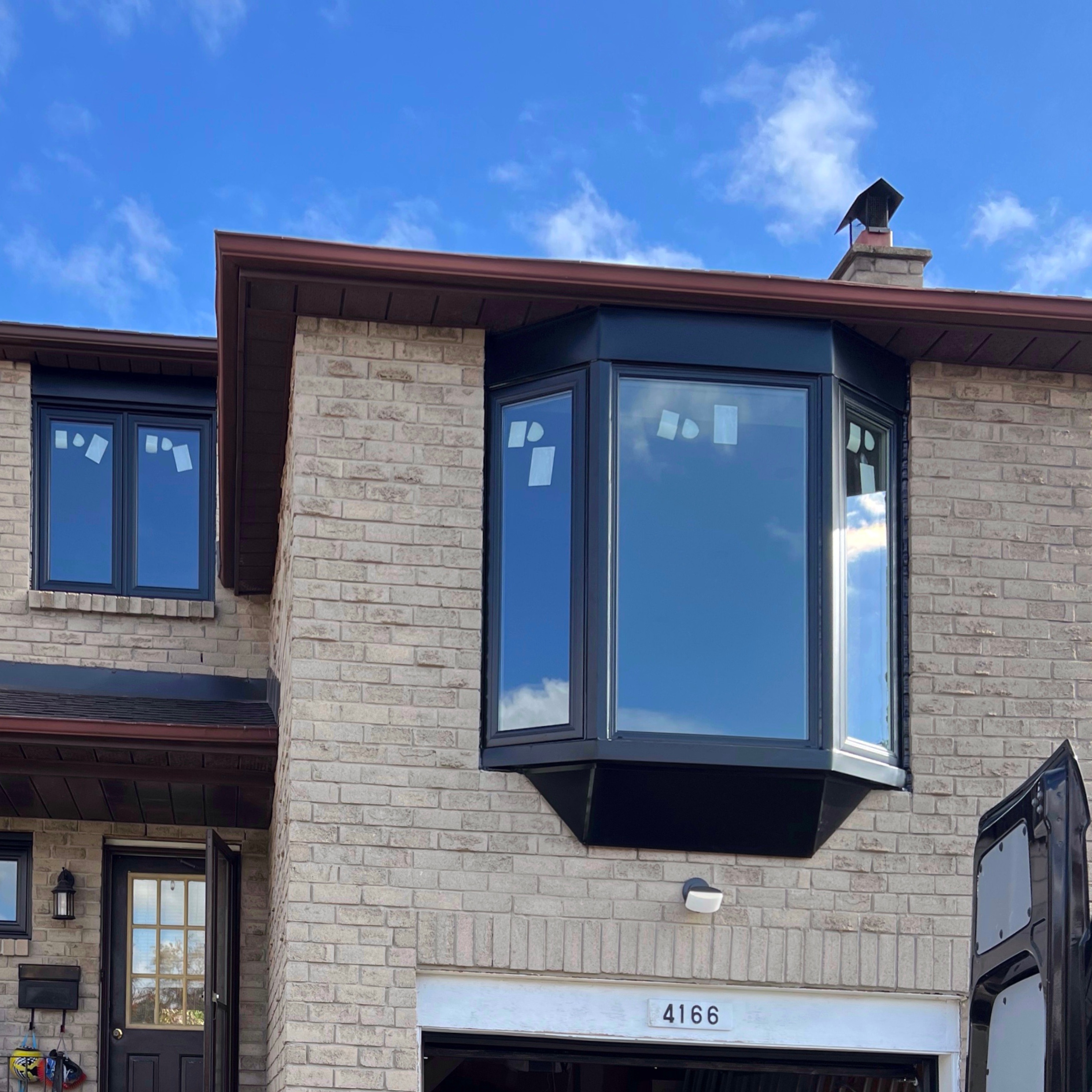
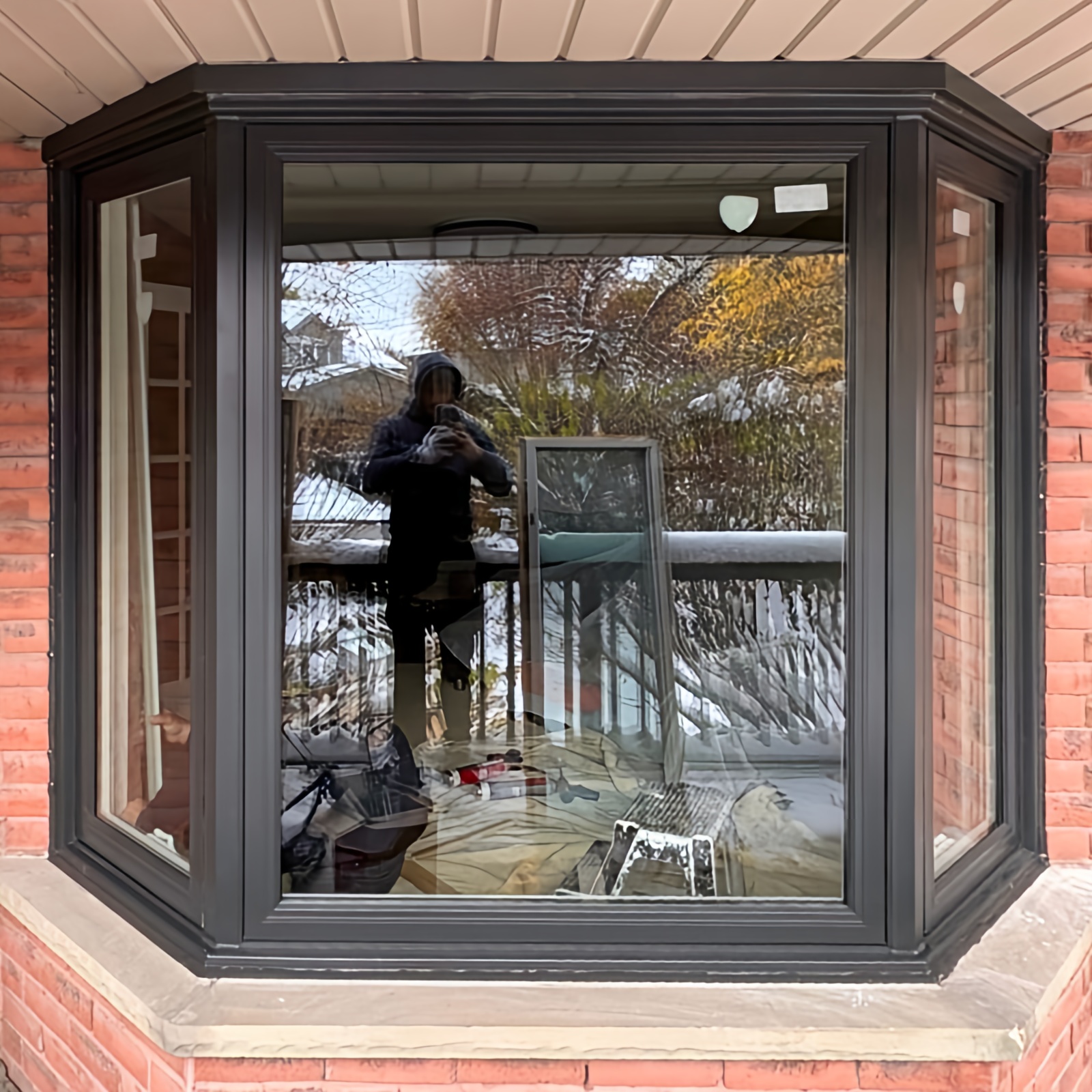
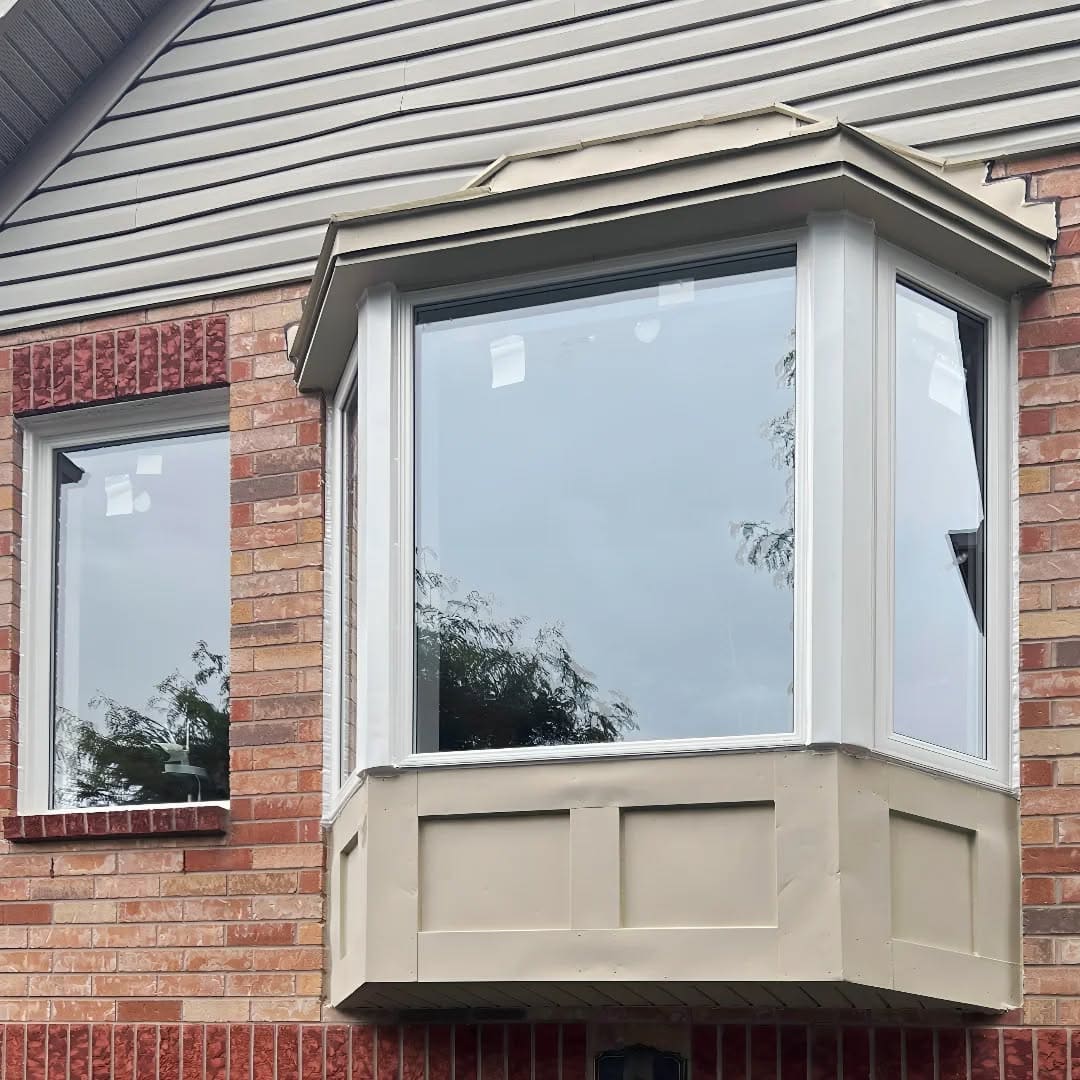
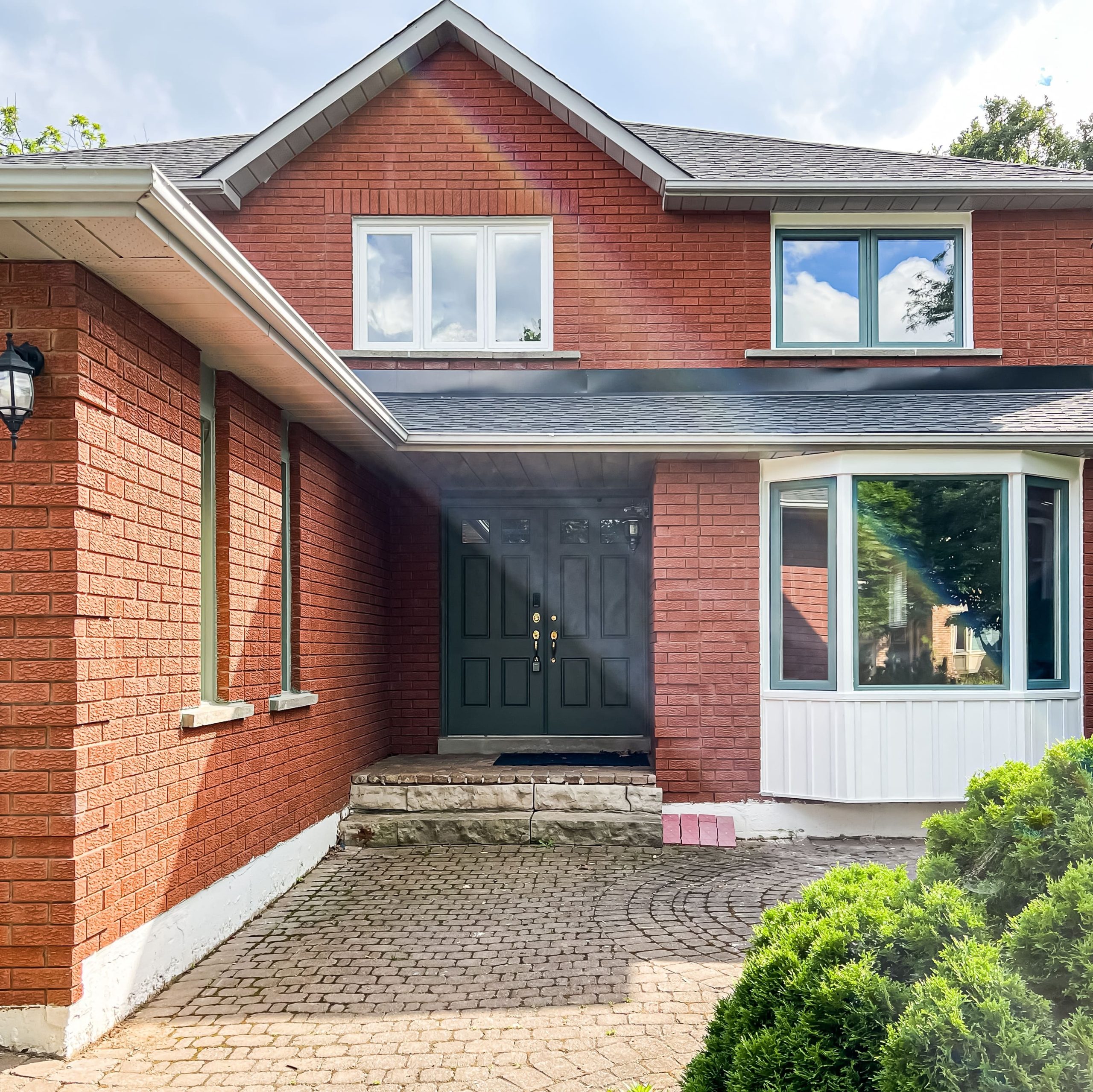
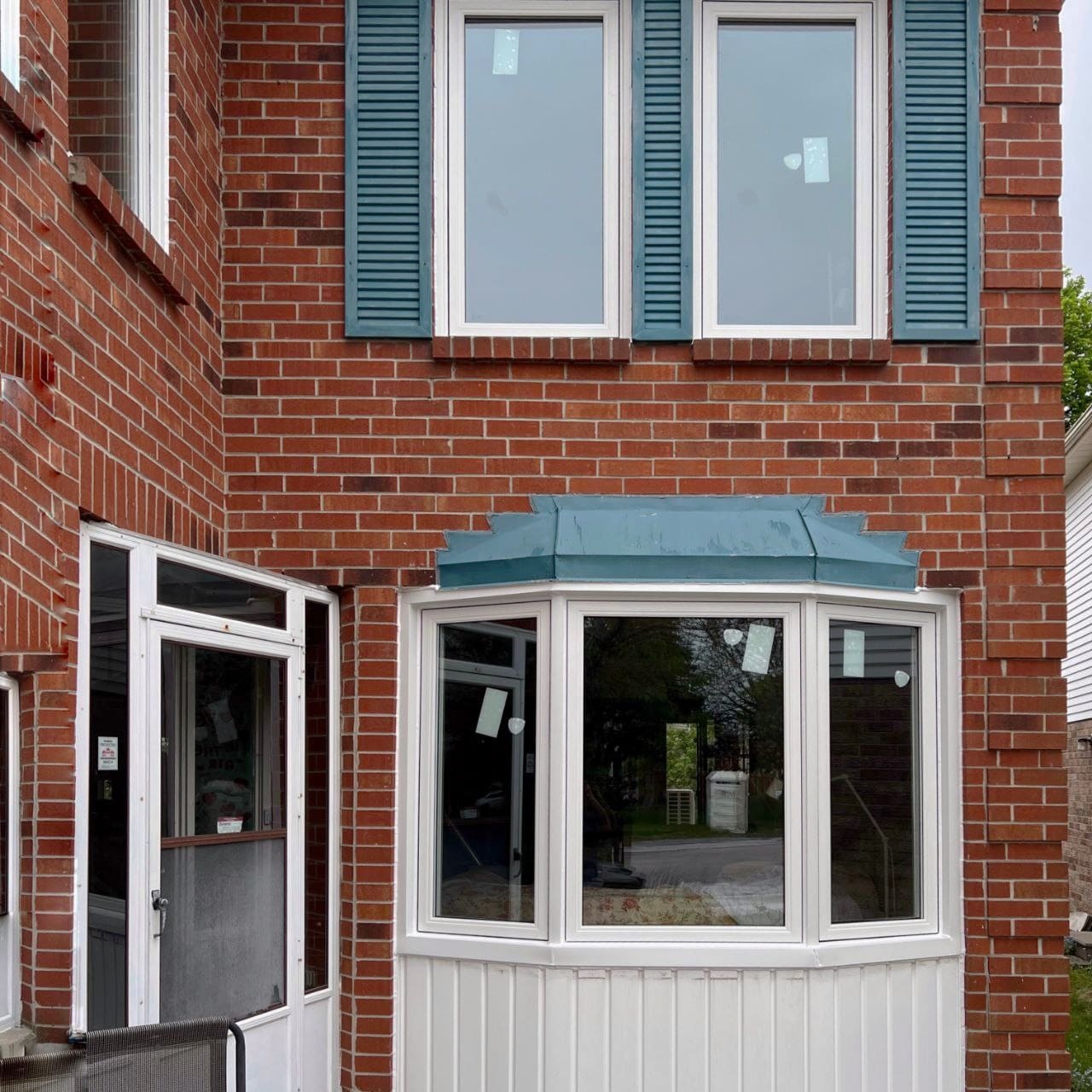
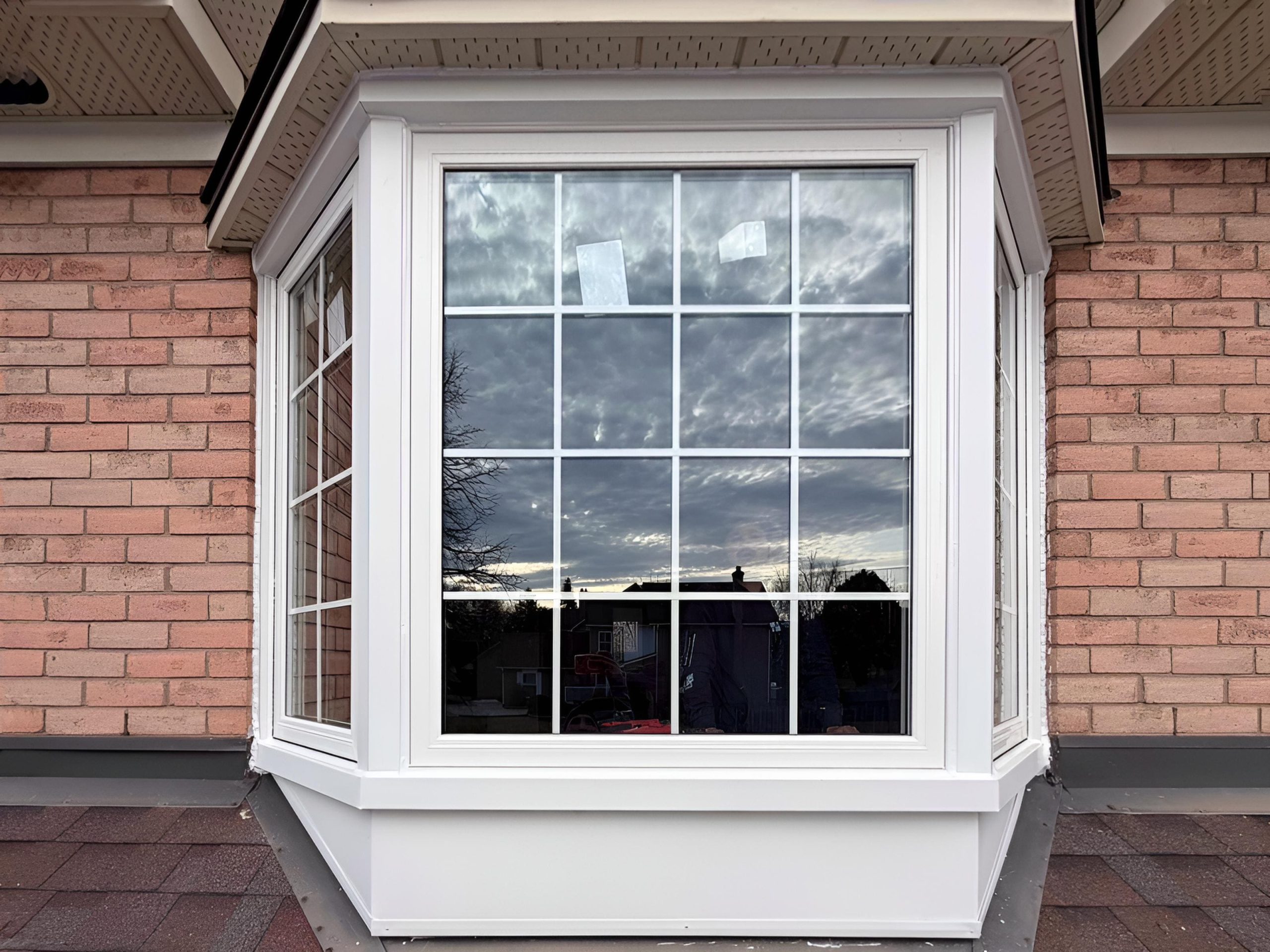
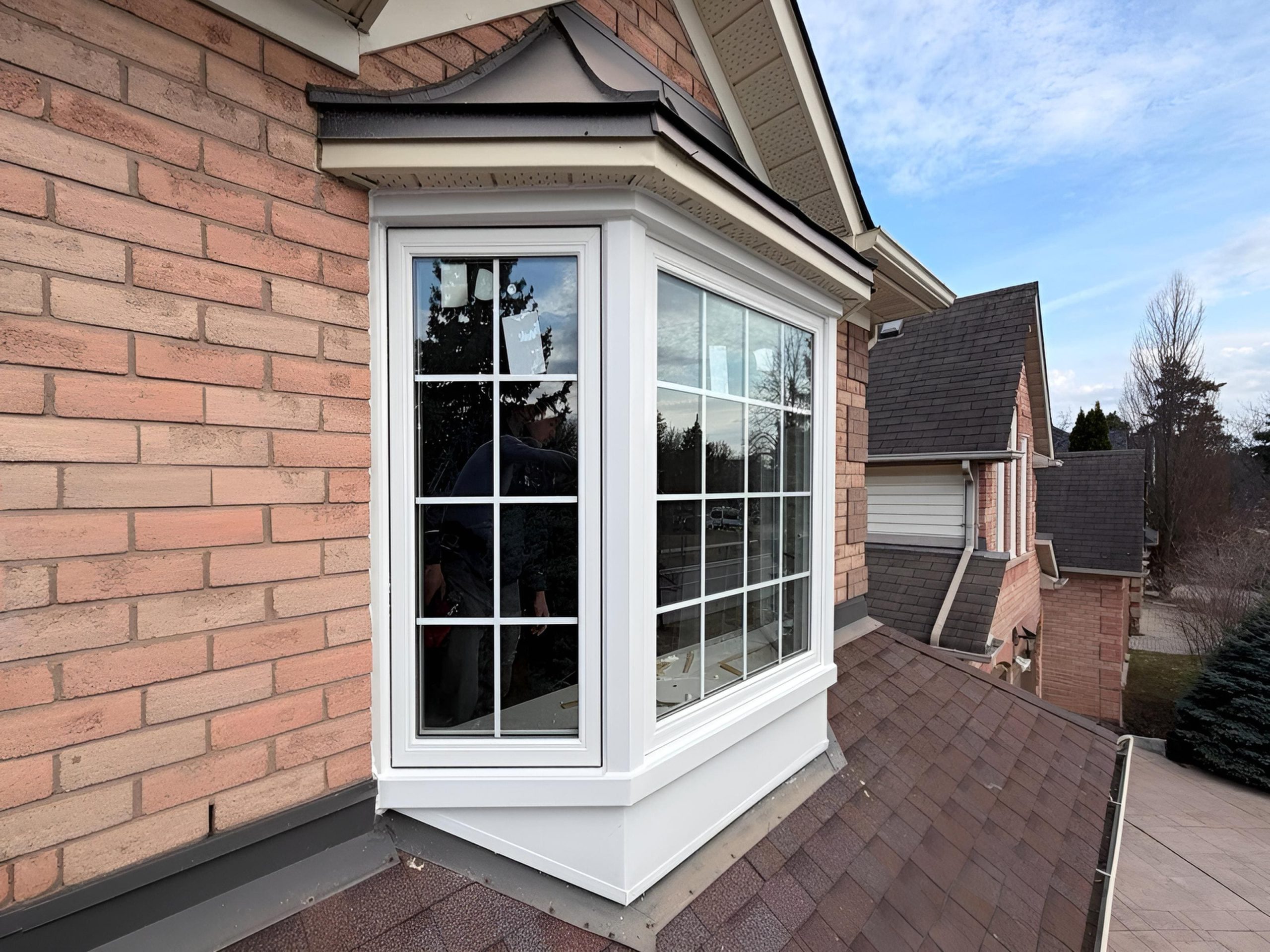
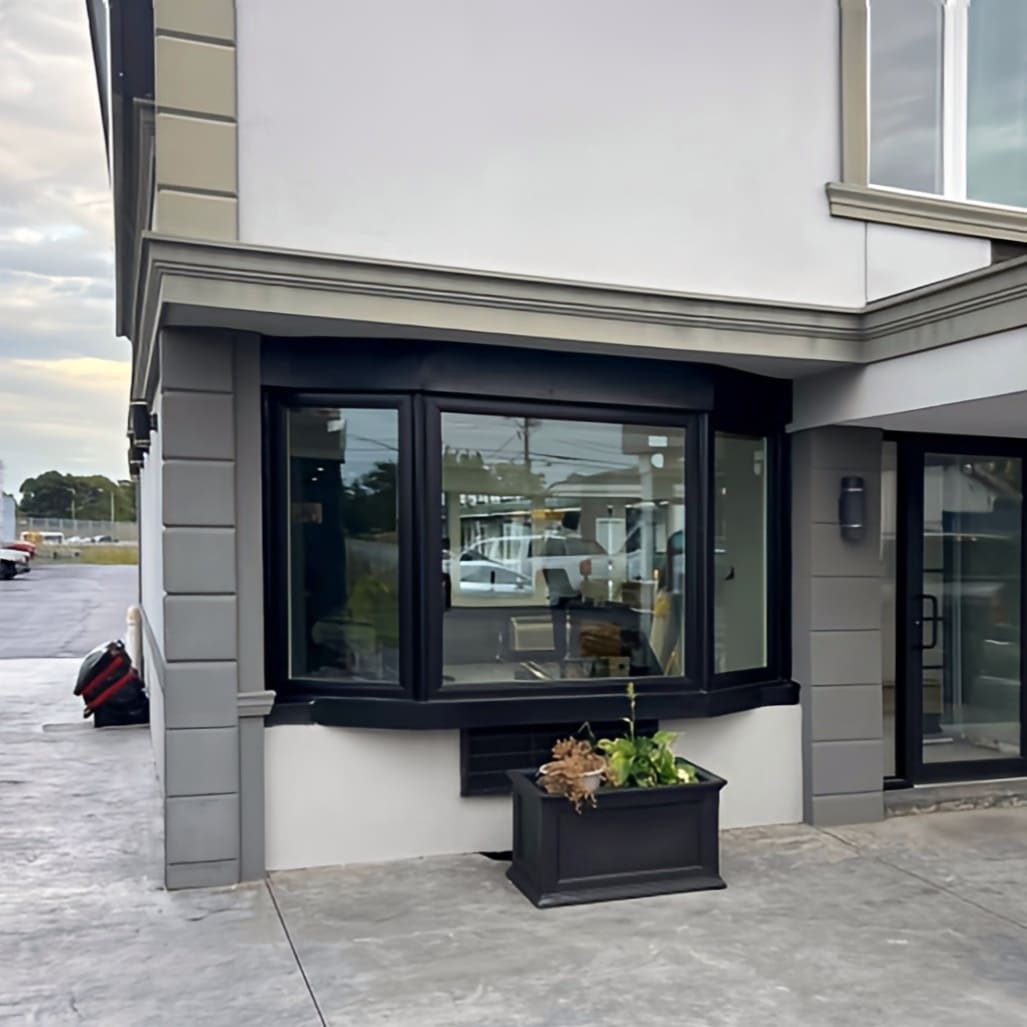
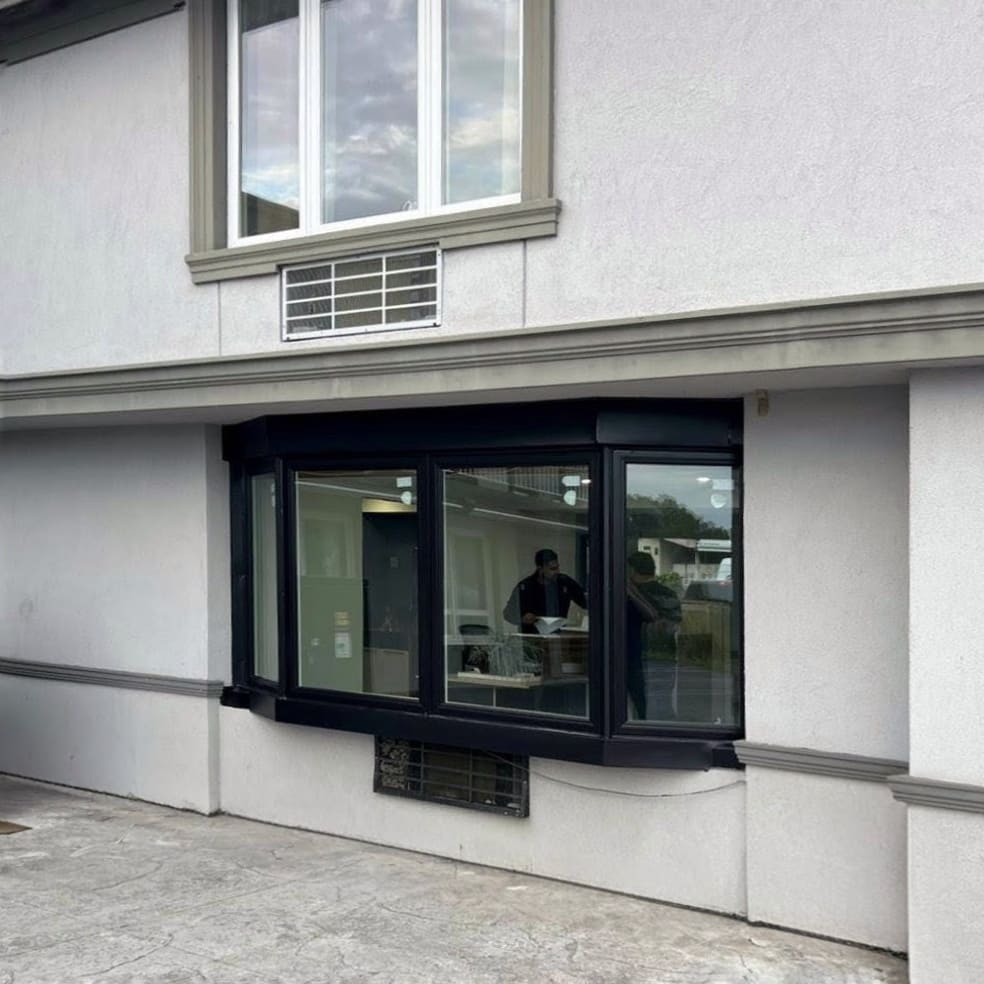
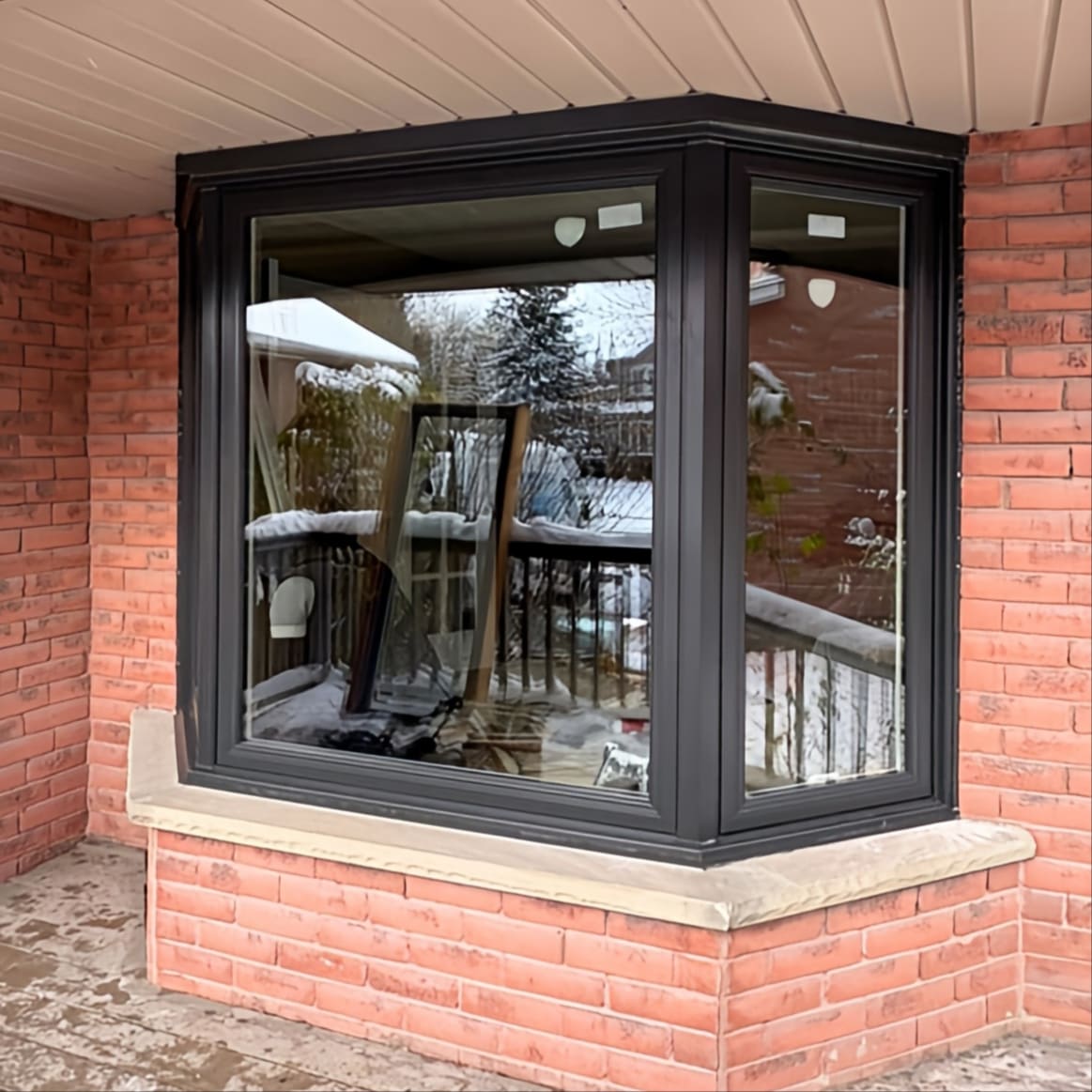
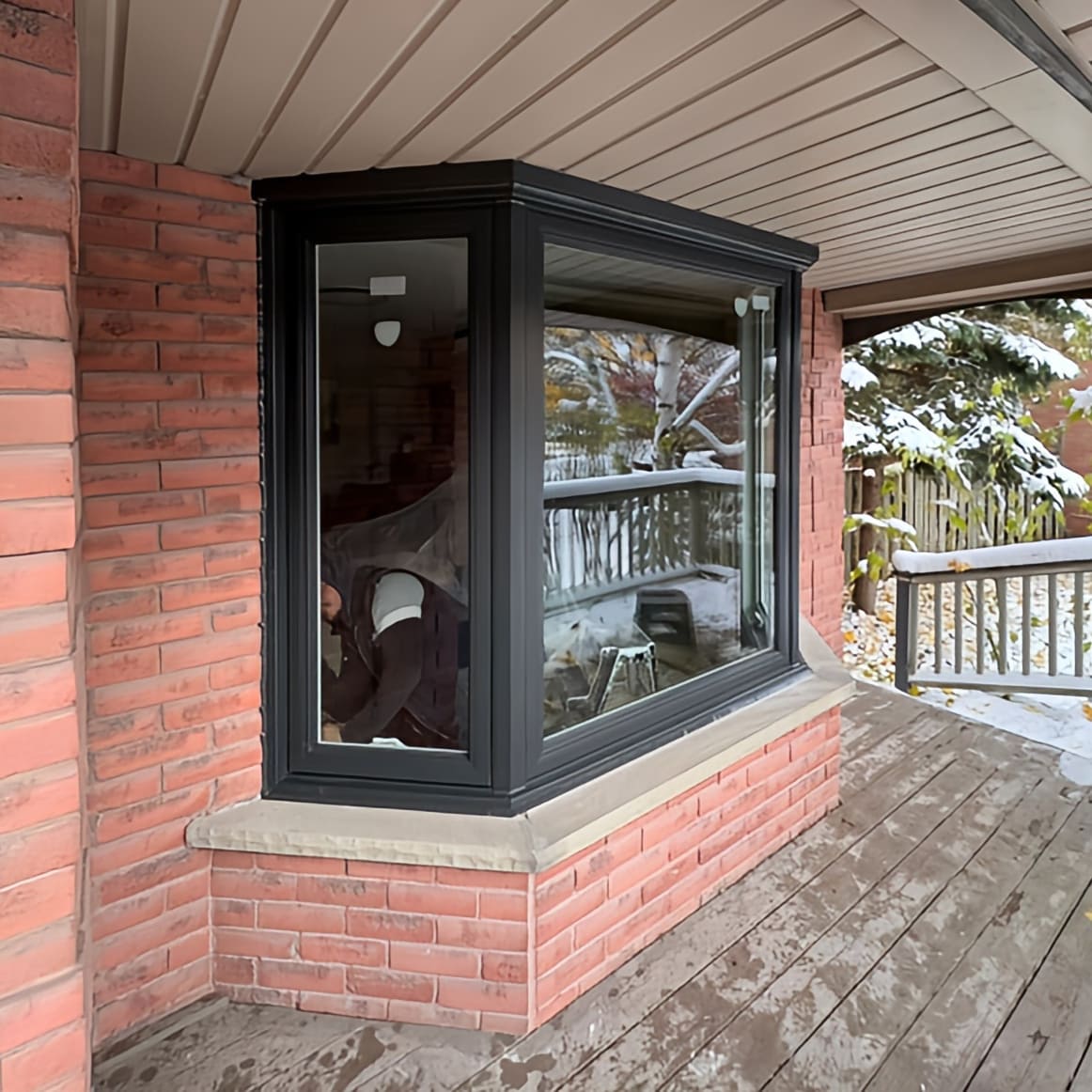
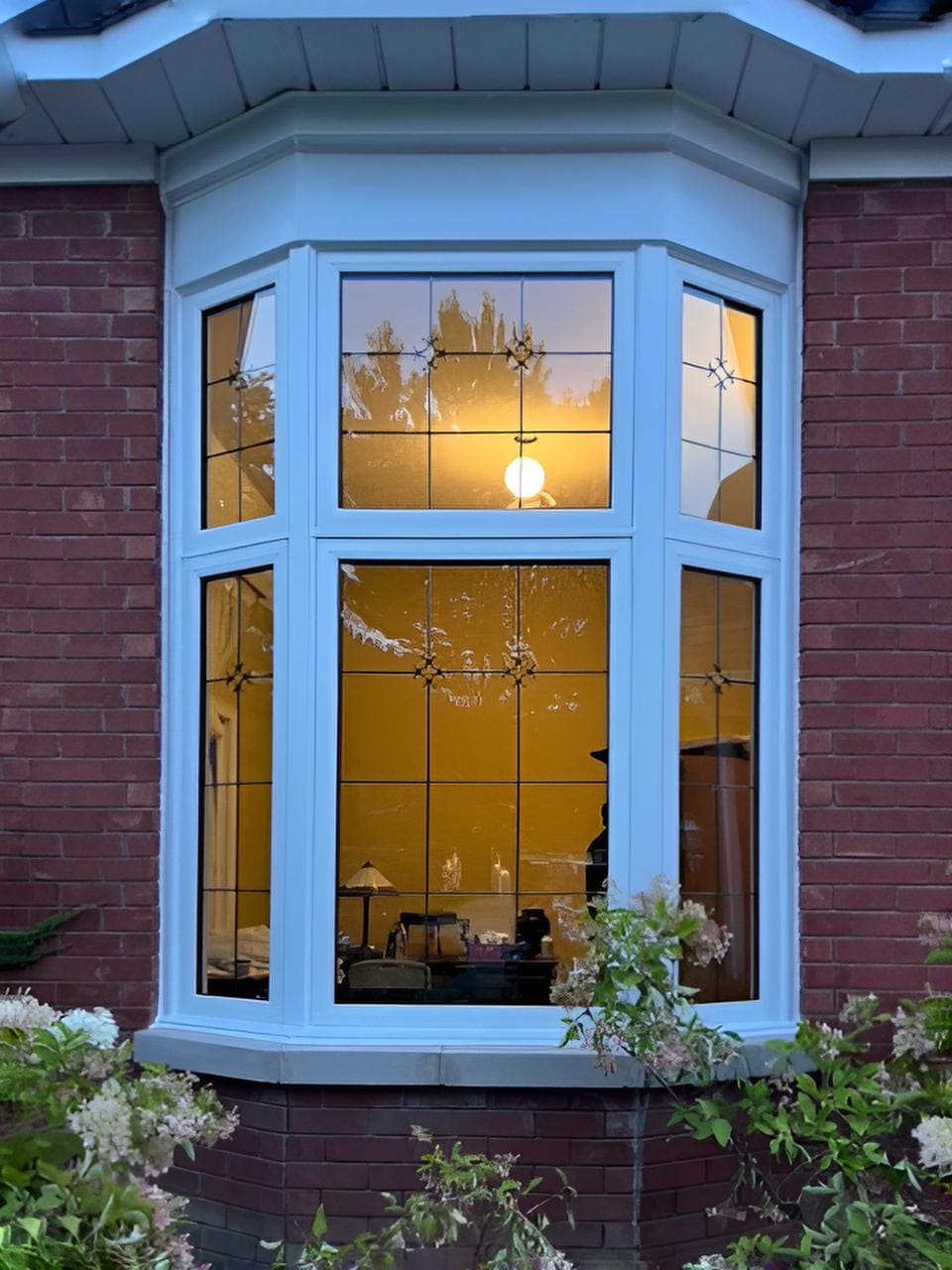
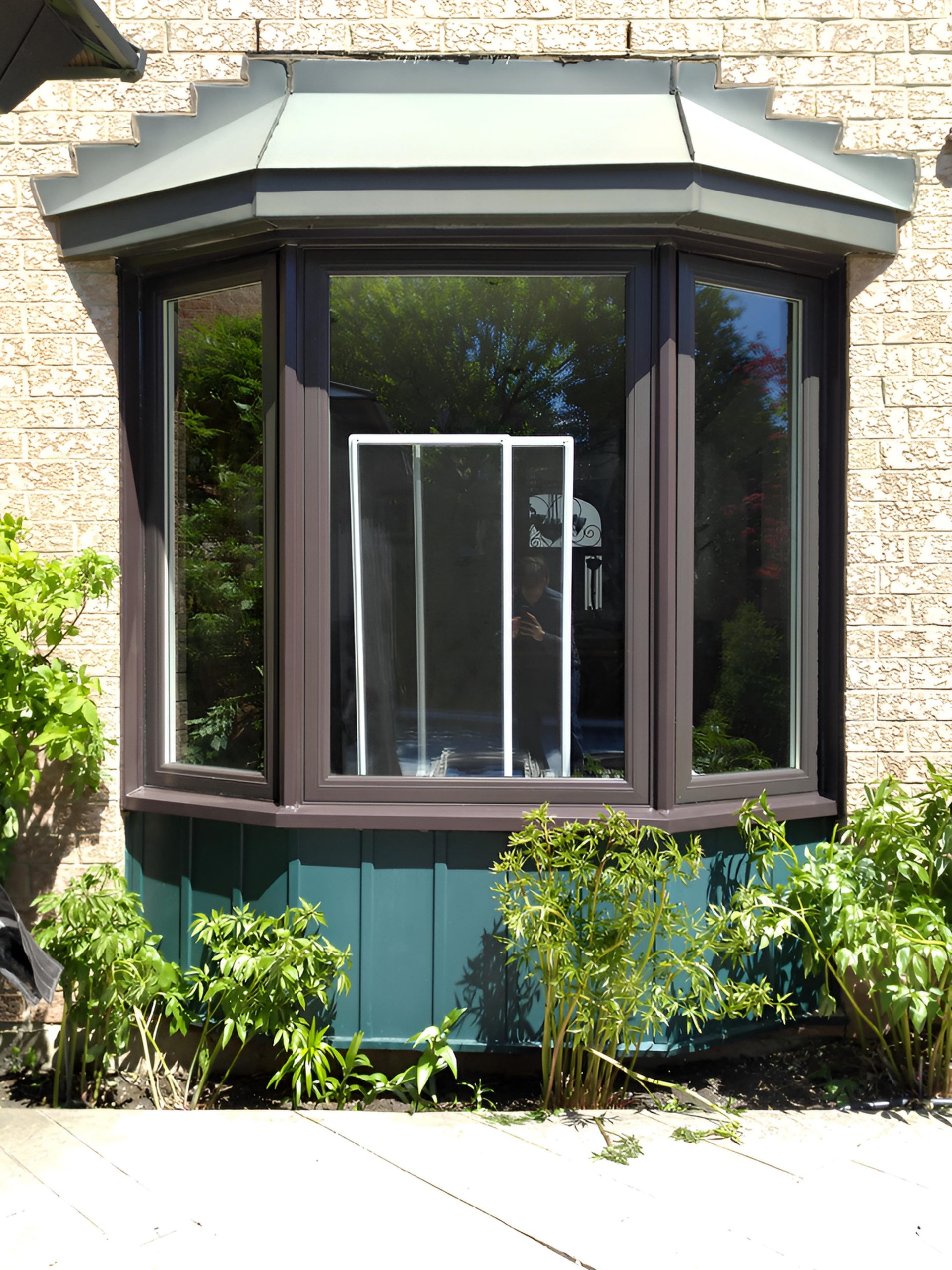
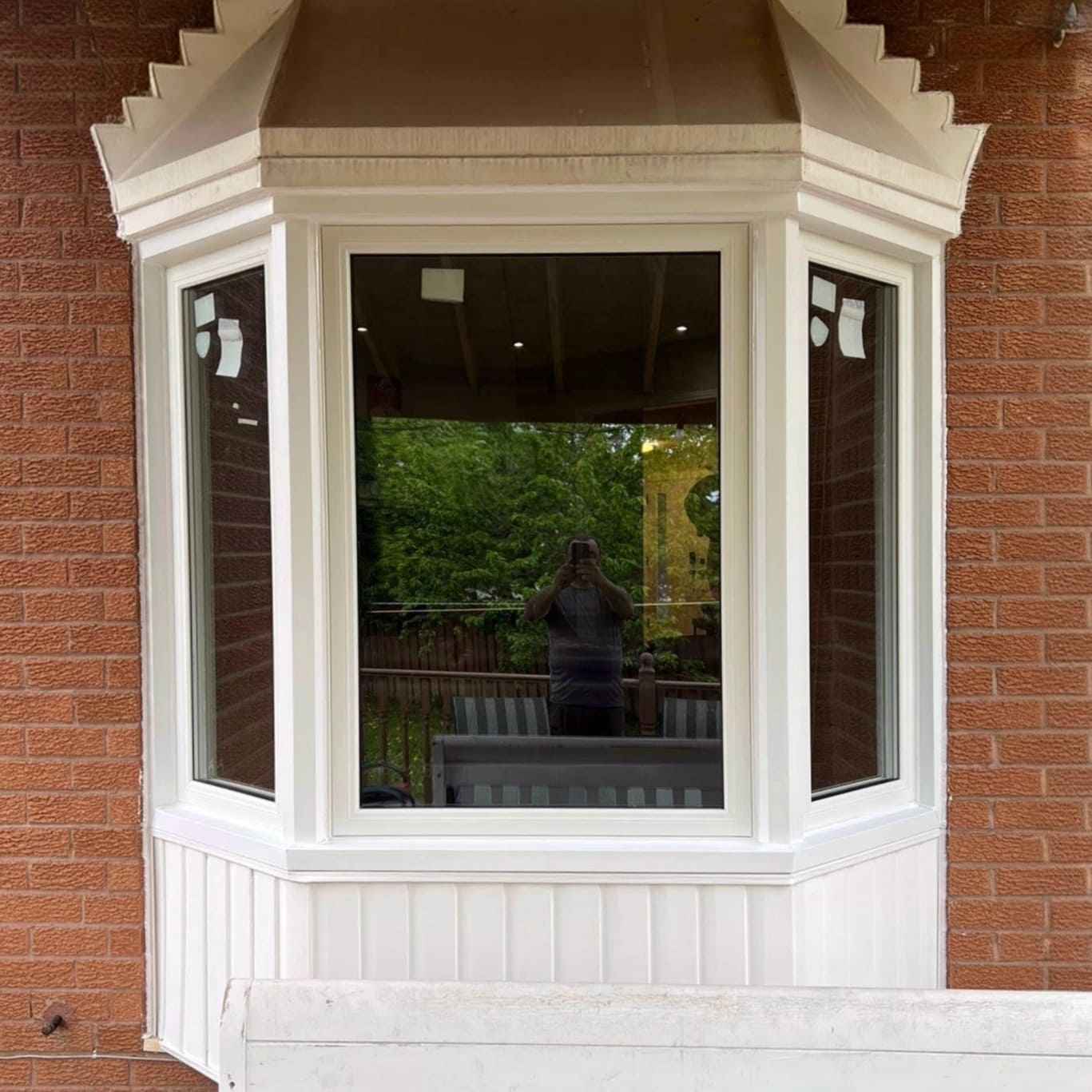
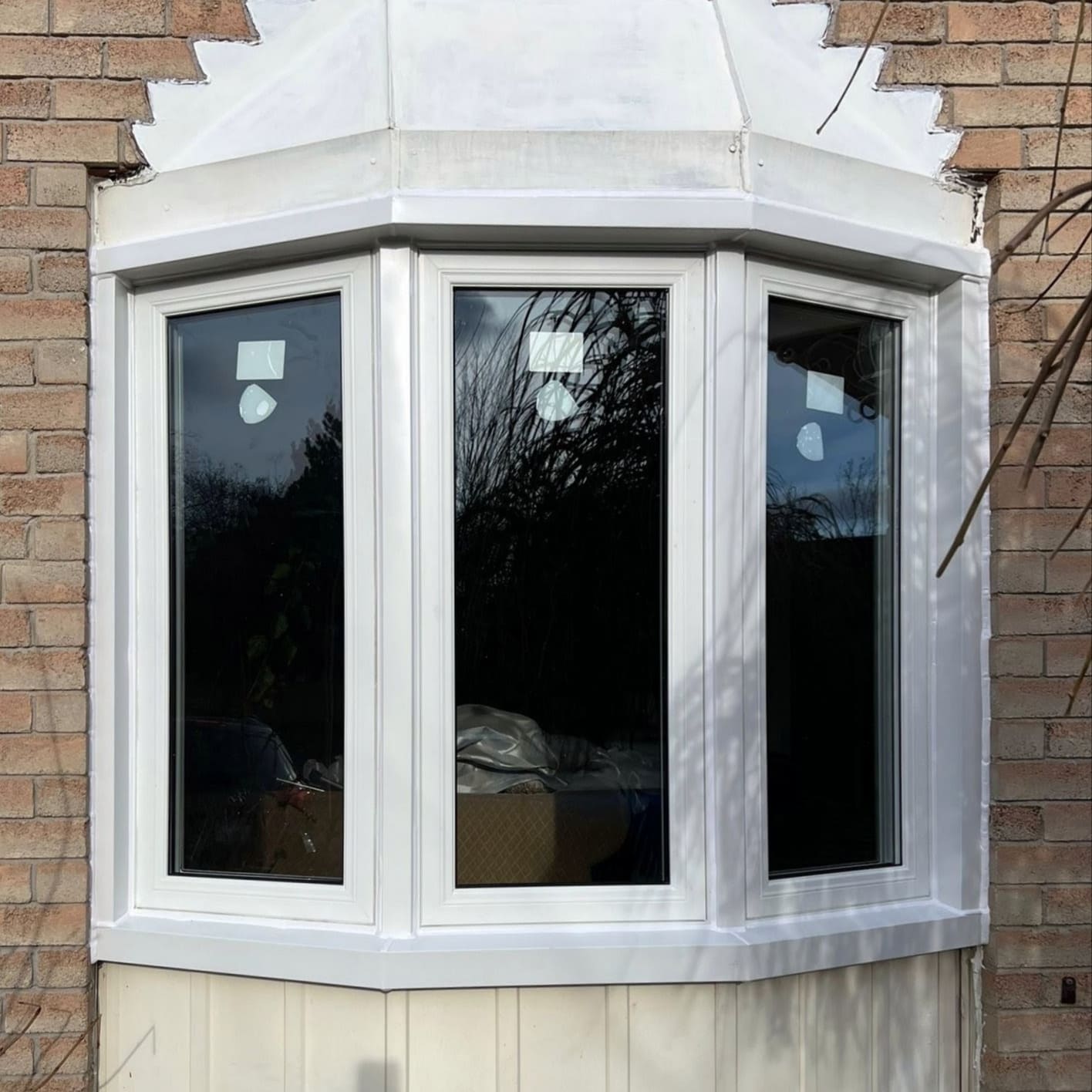
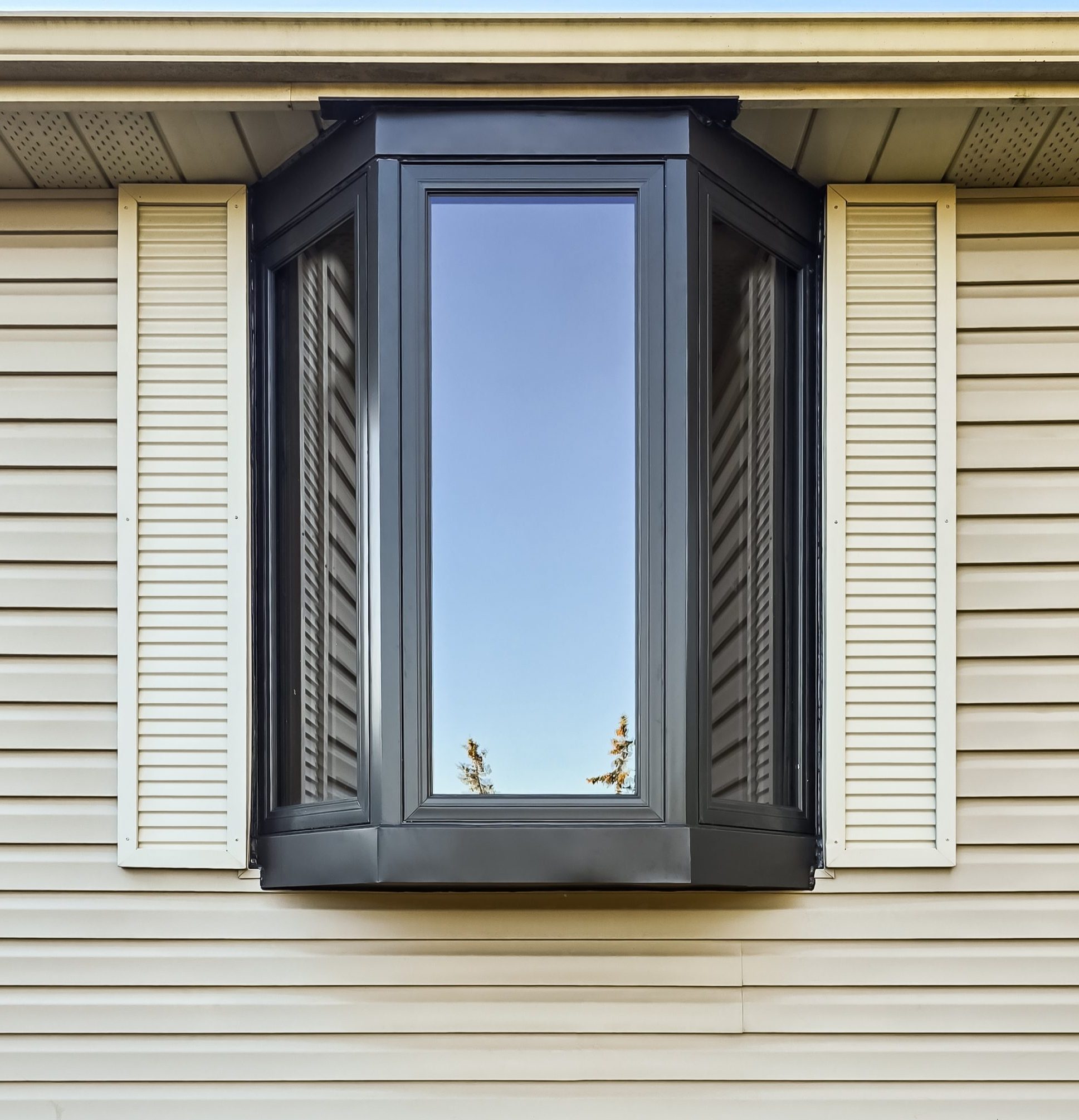
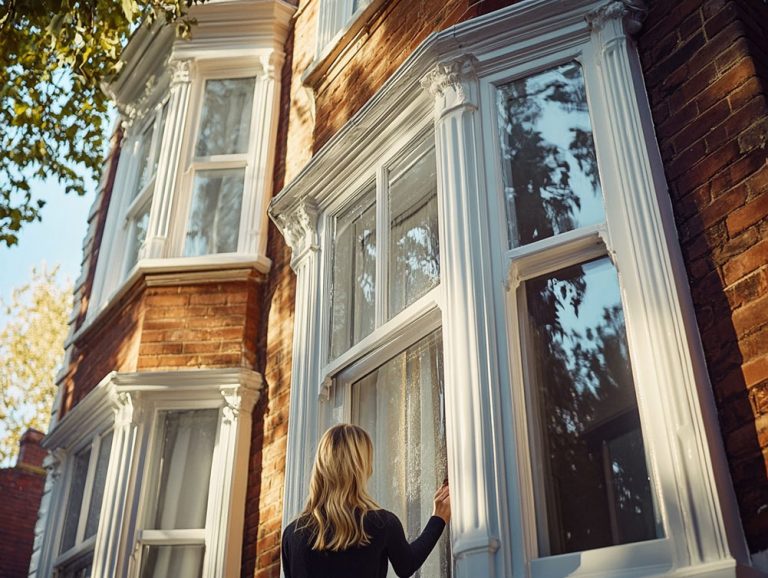
Bay windows are a distinctive window design that projects outward from the exterior wall of a home, creating a bright alcove inside the room. A typical bay window consists of a large fixed casement window in the center combined with two angled side windows, which may be fixed or operable depending on the configuration.
This design allows significantly more natural light to enter the home while also expanding the interior space. Depending on the depth of the projection, bay windows can be built as standard bay windows with an interior shelf or seat board, or as deeper walk-in bay windows that create a larger alcove within the room.
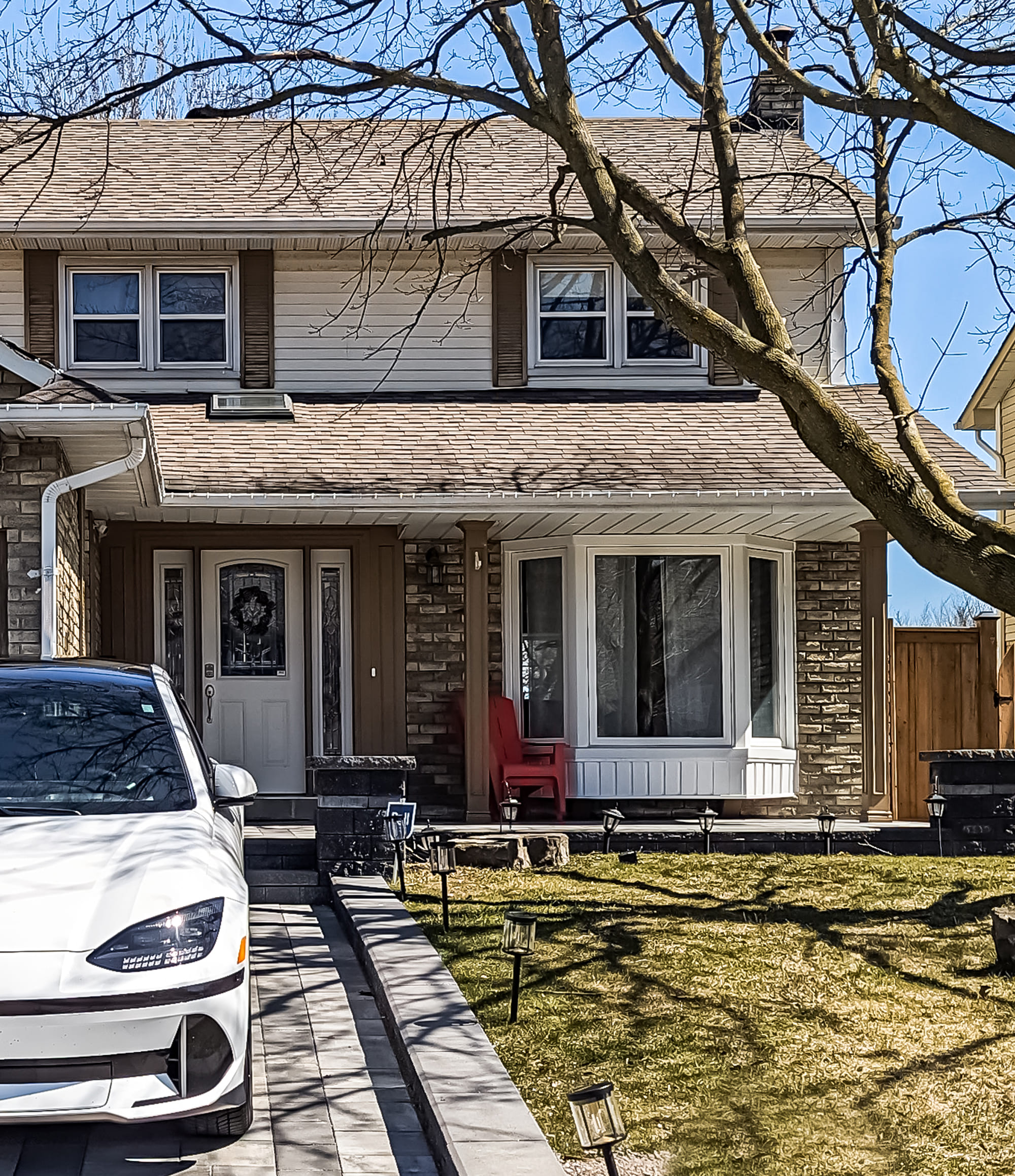
In addition to their visual impact, bay windows also improve exterior curb appeal and provide wider panoramic views of the outdoors, making them a popular choice for living rooms, dining areas, and front-facing rooms.
Bay windows are ideal for homeowners who want to bring in more natural light, create additional interior space, and add architectural character to their home. They work especially well in the following situations:
Bay windows often include operable side panels such as casement or awning windows. This allows fresh air to enter the room while still maintaining plenty of natural light.
Because bay windows extend outward from the wall, they create additional interior space that can be used for seating, reading nooks, or decorative displays.
Bay windows add depth and dimension to both the interior and exterior of a home, instantly enhancing curb appeal and creating a focal point in living rooms or dining areas.
The cost of bay windows depends on the overall size of the window structure, glass configuration, frame materials, and installation requirements. Because bay windows extend outward from the wall and require structural support, they typically cost more than standard flat window installations.
| Configuration Type | Price Range (Installed) | Typical Use |
|---|---|---|
| All-Fixed Bay (3 Picture Windows) | $1800 – $2800 | Feature windows, decorative spaces |
| Casement Bay (Fixed + Operable) | $2200 – $3800 | Most common living room configuration |
| Custom Bay Configuration | $4500 – $7000+ | Large openings, architectural projects |
Bay window pricing varies depending on the projection depth, window configuration, and structural support required for the installation.
Because bay windows extend outward from the wall, proper framing and support brackets are often necessary.
Costs may also vary based on the type of side windows selected (casement, awning, or fixed), glass configuration, and exterior finishing details.
Bay windows combine multiple window units into a single architectural structure that extends outward from the exterior wall. Their design requires precise angles, structural support, and specialized installation to ensure long-term stability, insulation, and performance in Canadian climates.
Bay windows are typically built using three window units combined into one architectural structure. The most common configuration is a 3-lite bay window, consisting of a large center fixed casement window with two angled side windows that may be casement, fixed, or awning.
This design provides a balance of panoramic views, natural light, and optional ventilation depending on the selected side window style.
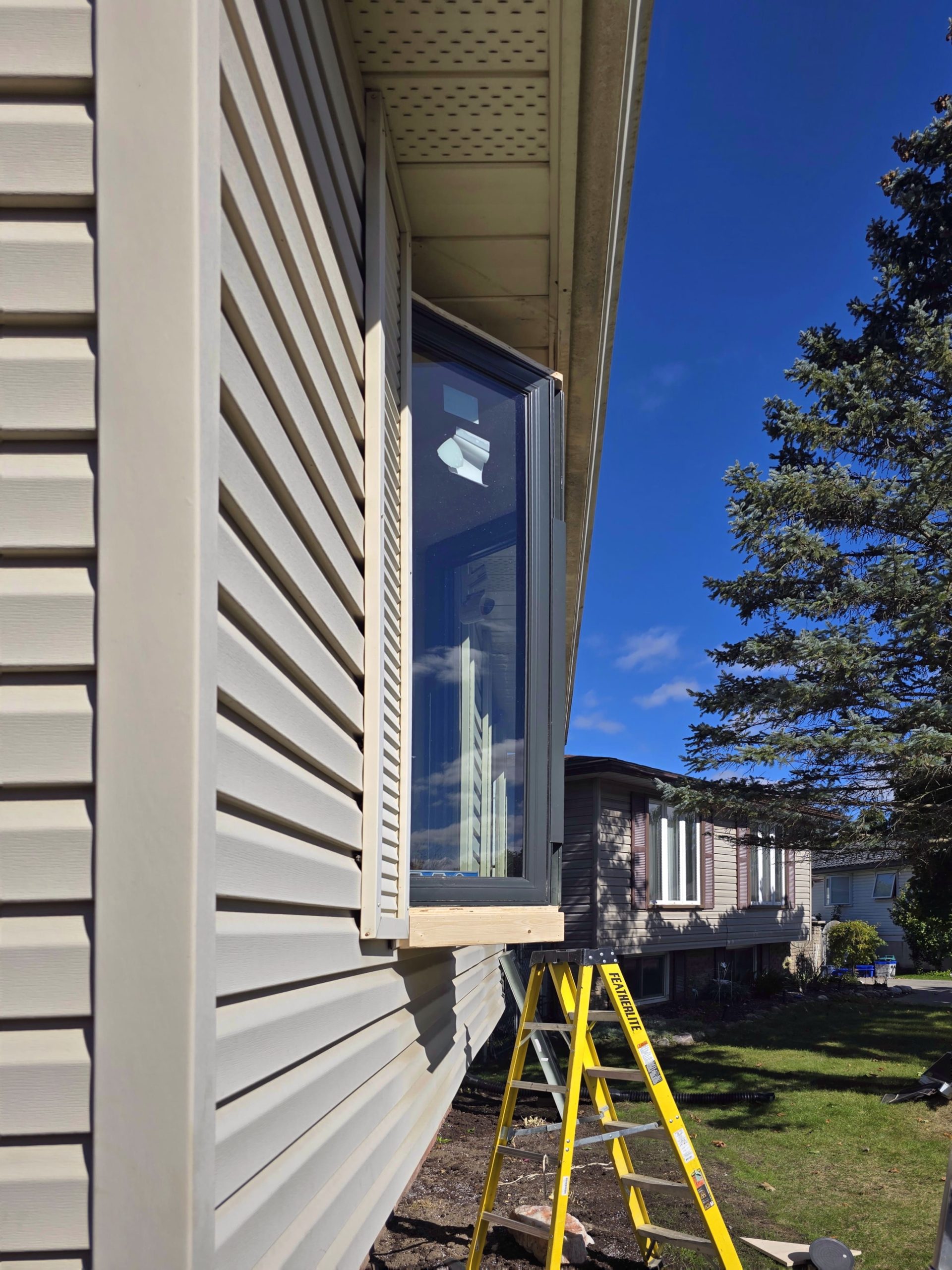
Bay windows are typically installed at specific projection angles that determine how far the window extends from the exterior wall. The most common configurations include 30°, 45°, and 90° bay windows.
Smaller angles create a subtle projection, while larger angles create a deeper alcove and more interior space. The choice often depends on the home’s architecture and the available wall opening.
Bay windows project outward from the wall and require proper structural support. The support method depends on how the bay is built.
Some bays are installed within angled wall structures that extend to the floor, while others project outward from a flat wall and are supported from below. The appropriate approach depends on the existing wall opening and the design of the home.
Because bay windows extend beyond the exterior wall, the outside structure must be properly finished and protected.
In many homes the bay sits under the existing roof overhang. In other cases installers build a small dedicated roof above the bay window.
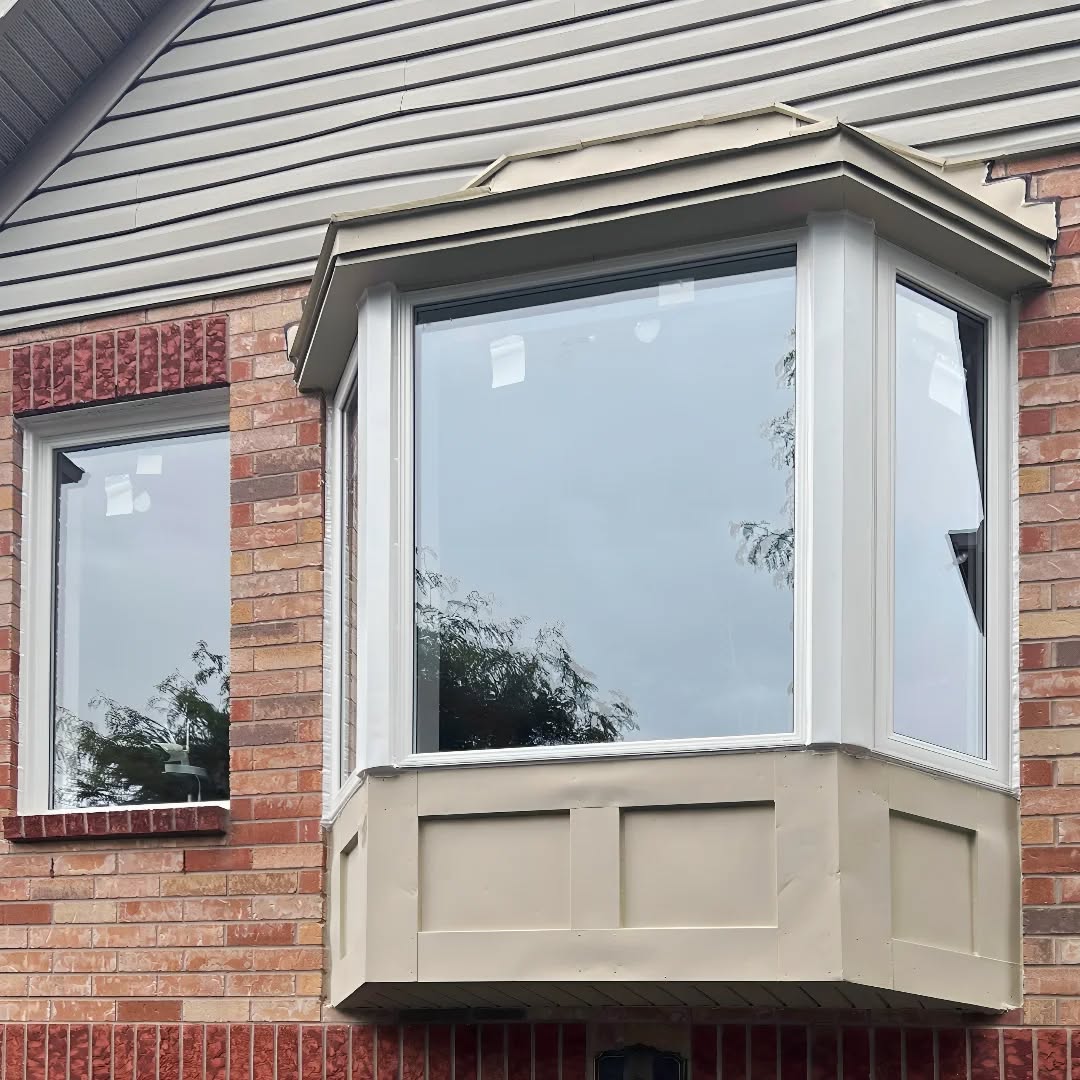
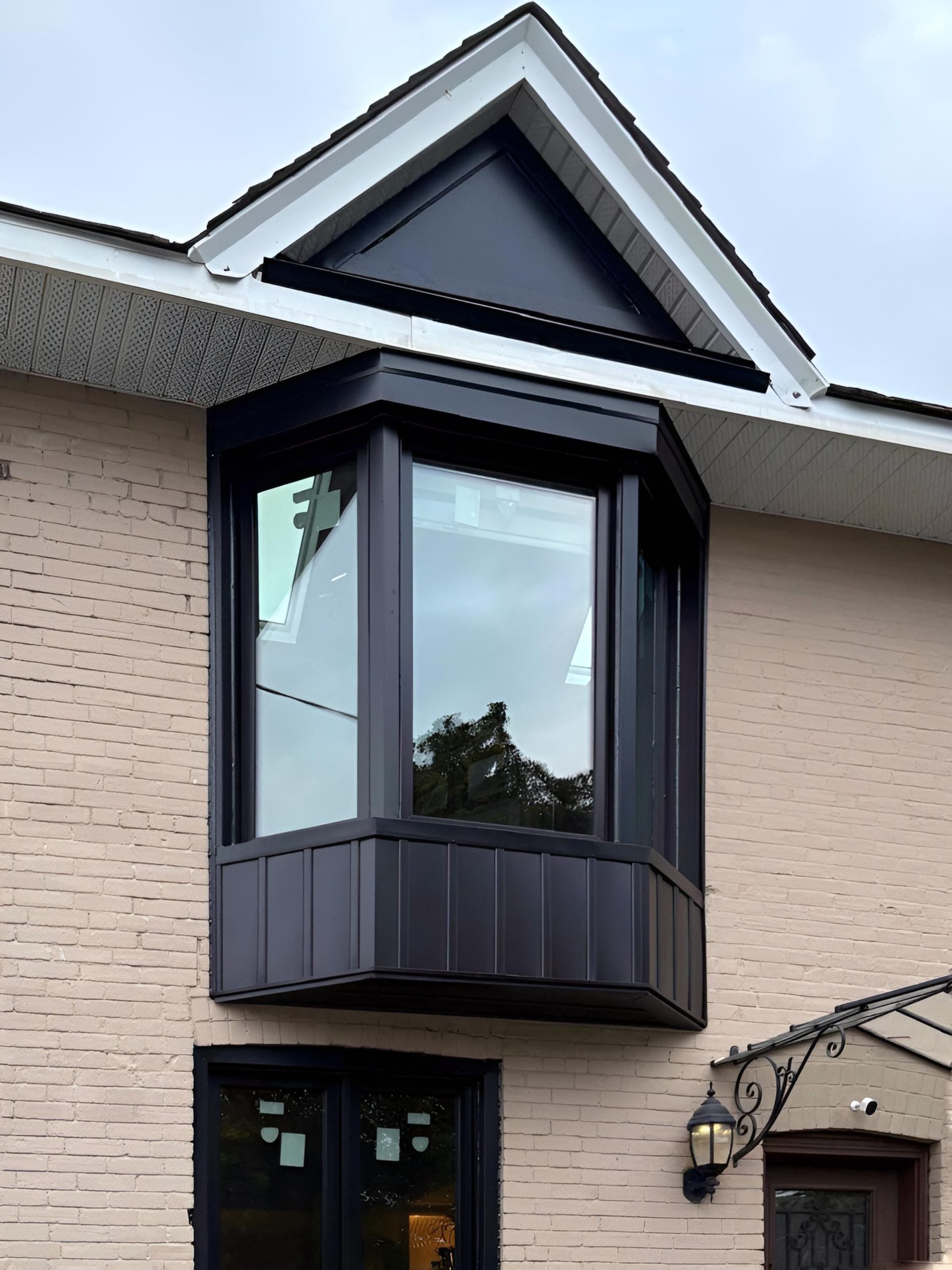
The roof above a bay window is typically finished with shingles or aluminum capping to match the home. The underside of the projection is finished with aluminum capping or siding for weather protection and a clean exterior look.
The extended interior space created by bay windows can serve many practical purposes inside the home. Many homeowners use bay windows to create reading nooks, window seating, breakfast areas, or decorative display spaces.
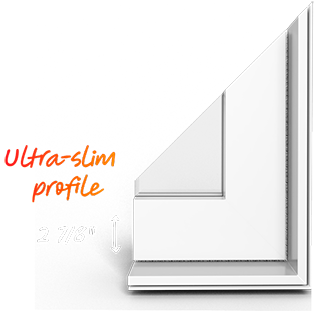
Revolutionary vinyl windows with sleek aluminum aesthetics. Ultra-slim 2 7/8″ profile, advanced multipoint security, and superior energy efficiency for Canadian homes.
Bay windows can be built in two main interior styles depending on the projection and structural design.
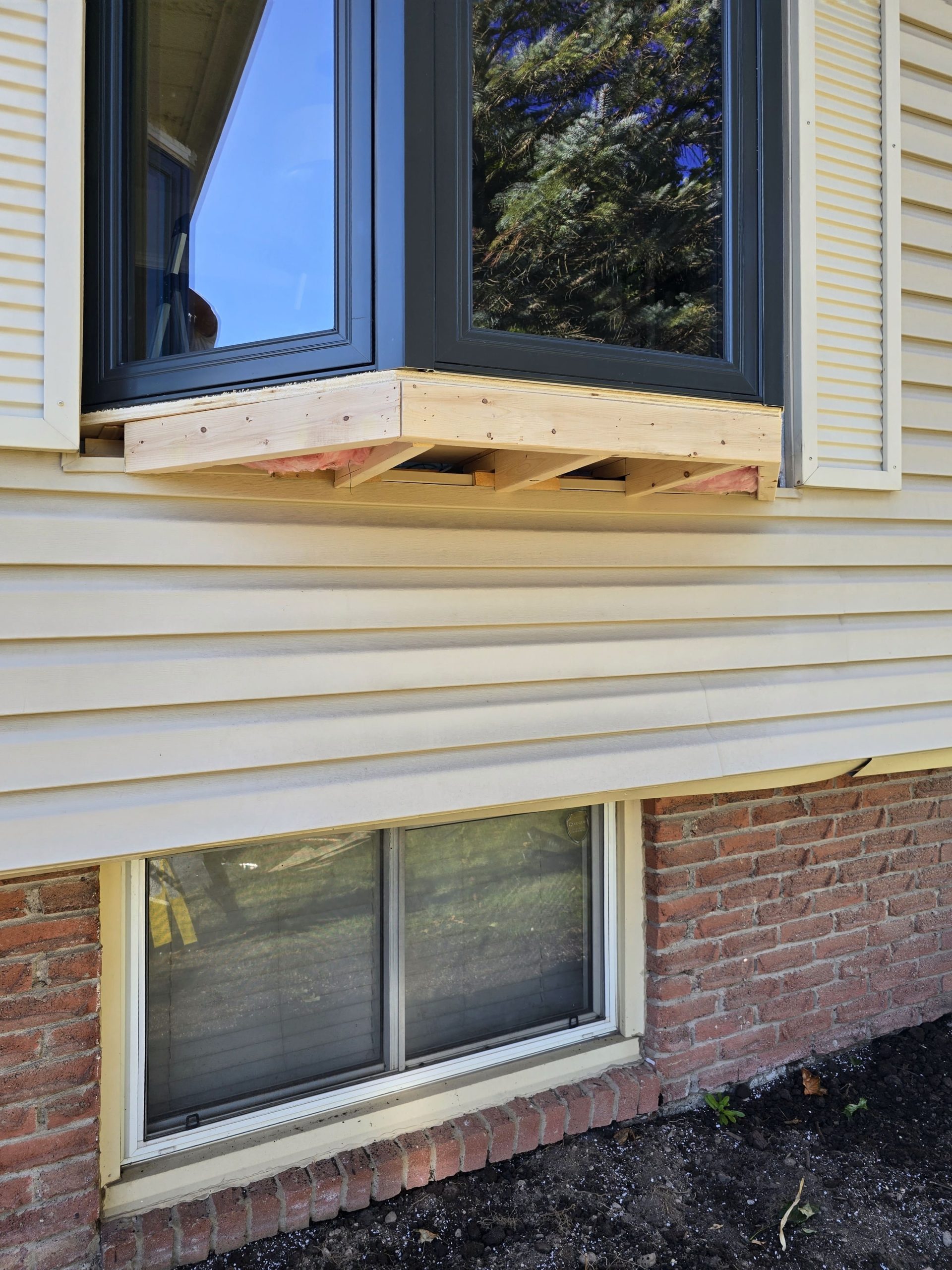
This bay window projects outward from a flat exterior wall, creating a deep interior shelf. It is often installed where a home originally had a standard flat window. In these cases, the bay window can be built from scratch, with a new framed structure constructed outside the wall.
The exterior finish depends on the size and support required. Smaller bays may use a European or short-cut finish, where the underside is minimal and sits tight to the wall. Larger bays require a supported skirt structure underneath to carry the weight of the window. Above the window, the bay may sit under the existing roof overhang or have a dedicated roof built above it.
Inside, the window is finished with standard casing and trim, while the exterior is completed with matching materials.
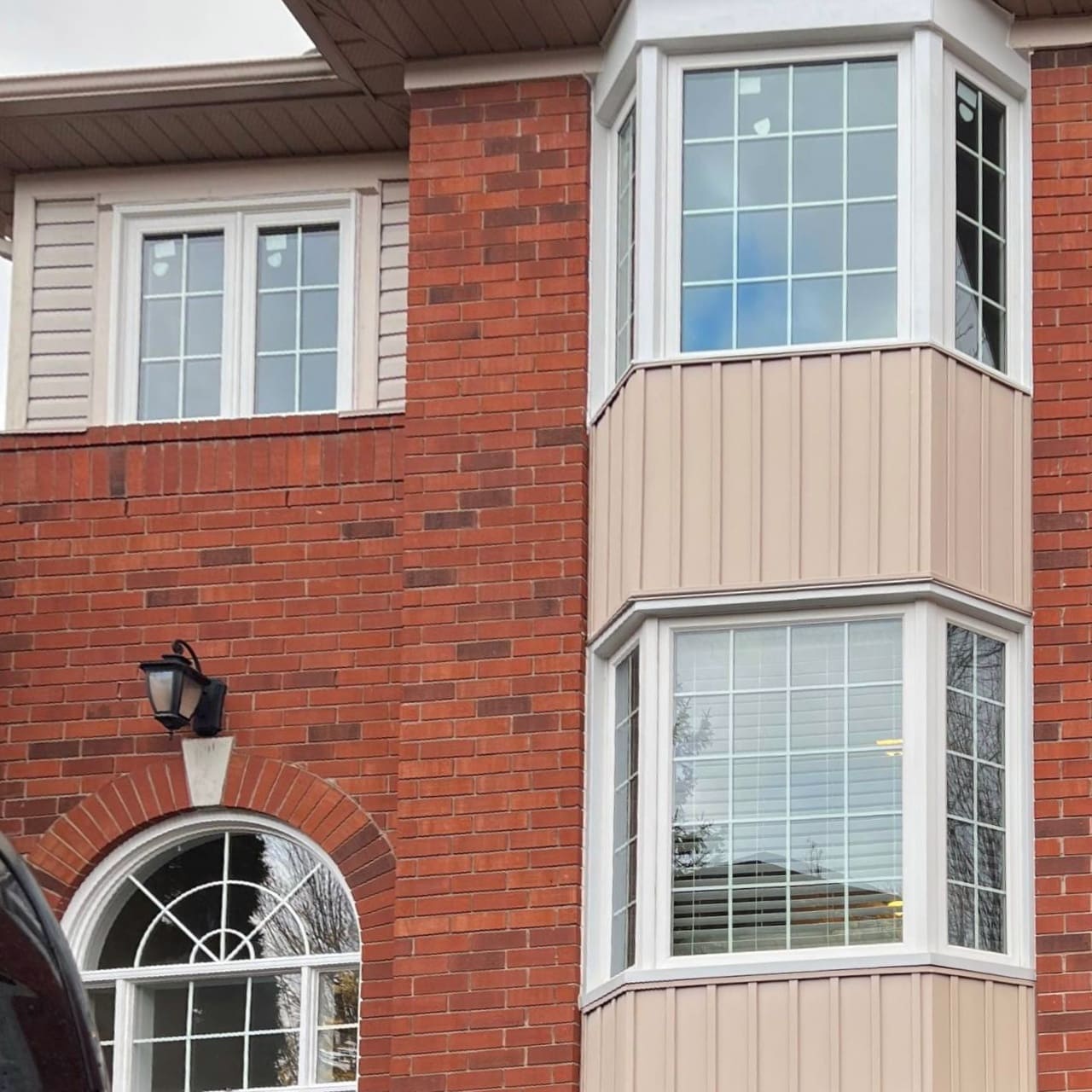
In a walk-in bay, the wall itself is built with angled sides that form a trapezoid-shaped alcove. The bay windows follow this structure and extend closer to the floor, creating additional interior space.
The base of the alcove is framed with wood, insulated inside, and finished outside with aluminum capping and siding.
The walk-in bay can sit under the home’s existing roof overhang, or have a dedicated roof added above it.
Because of the additional structural work, walk-in bays are typically more complex and more expensive to install than flat windows.
Styles Library
Bay windows often combine different window style within one structure. The center panel is typically fixed, while side panels may be operable to provide ventilation.
Often combined with picture windows in traditional bay window designs.
A non-operable casement used in the center of bay windows to keep consistent frames.
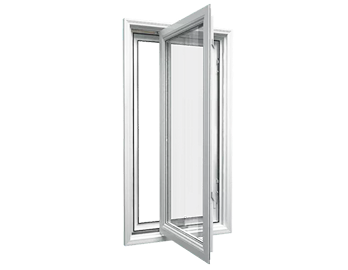
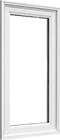
Side-hinged operable windows commonly used on the sides of bay windows for ventilation.
A fully fixed window used when a slimmer frame and unobstructed views are preferred.
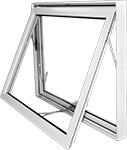
Top-hinged windows sometimes paired with fixed casement panels to provide ventilation.
Bay windows are available in a wide range of sizes depending on the configuration and wall opening. Most bay windows are built using three window units and extend outward from the exterior wall.
| Bay Window Type | Typical Width | Projection |
|---|---|---|
| Small Bay Window | 60–72 in | 16–20 in |
| Standard 3-Panel Bay | 72–96 in | 18–24 in |
| 18–24 in | 96–120+ in | 20–30 in |
Create windows that fits your home perfectly and reflects its unique style. Choose from an extensive array of design, performance, and finishing options to customize the look, comfort, and functionality of your windows.
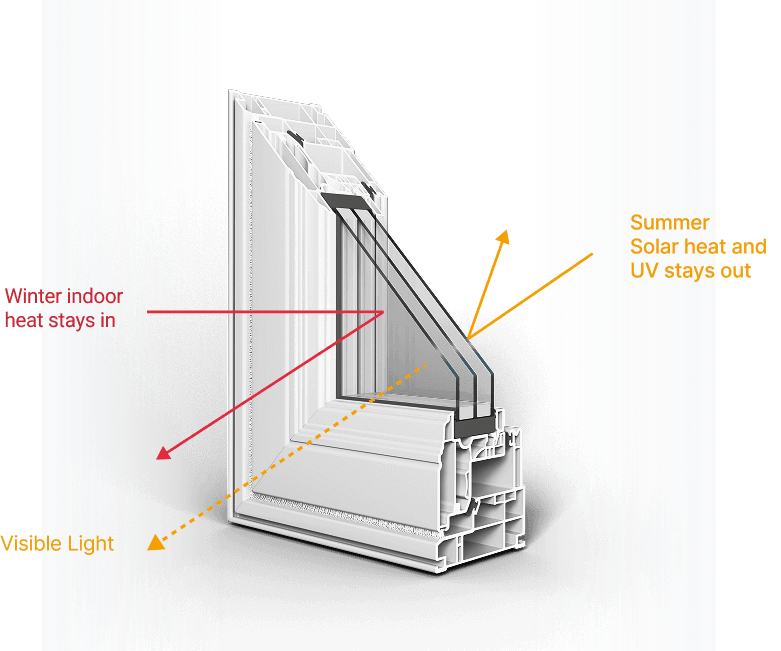
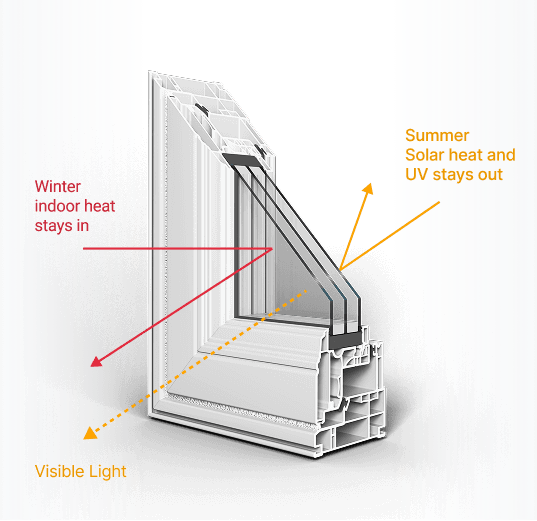
Energy efficiency and indoor comfort can be enhanced with Low-E coatings and double- or triple-pane glass configurations. These upgrades help reduce heat loss in winter, limit heat gain in summer, and improve insulation. They also help minimize drafts and outside noise, creating a more comfortable living environment year-round while lowering energy costs.
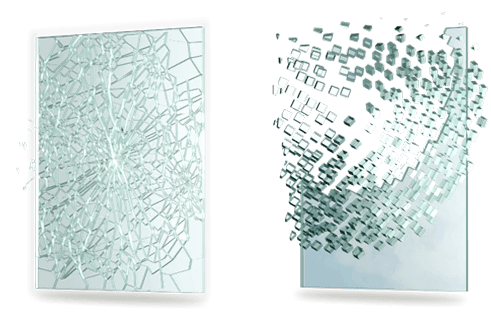
Safety and security can be enhanced with tempered or laminated glass upgrades. Tempered glass is designed to break into small, blunt pieces, reducing the risk of injury if the glass is damaged. Laminated glass remains in place even when cracked, providing additional protection against impact and forced entry. These options add an extra layer of security while maintaining natural light and overall window performance.
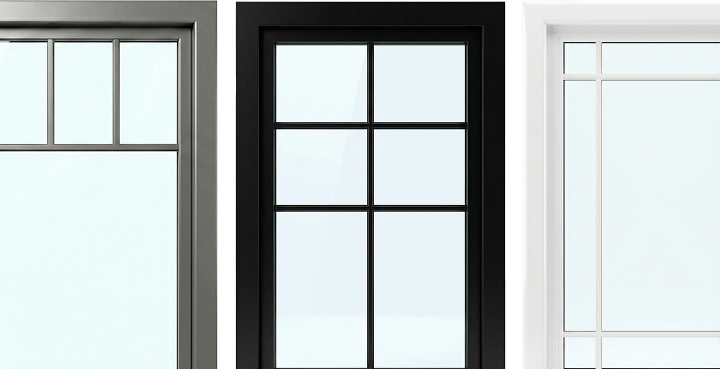
Select from between-the-glass grilles for low maintenance, simulated divided lites (SDL) for a classic look, or TruLite premium divided glass for a true architectural pane appearance.
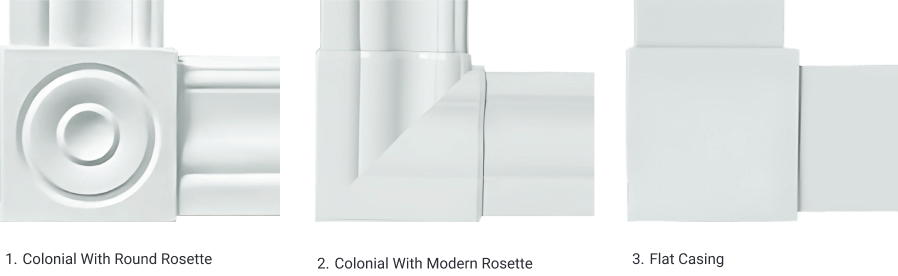
Interior jambs and casing define the finished look of your window from inside the home. Choose between wood and vinyl trim packages to match your interior style and wall construction.
Wood Package: Jamb extensions and a wide selection of casing styles, available in primed wood or stainable solid wood.
Vinyl Package: Vinyl or solid vinyl jamb extensions with Colonial, Flat, or Modern casing profiles, including decorative rosettes.
Exterior trim completes the outside appearance of your window and creates a clean transition between the frame and the surrounding wall.
Brickmould profiles are available in multiple styles to complement brick, siding, or stucco exteriors. Built for durability and long-term weather resistance in Canadian conditions.
Bay and bow windows both extend outward from the wall, but they differ in structure and appearance.
| Feature | Bay Window | Bow Window |
|---|---|---|
| Number of panels | Usually 3 | Usually 4–6 |
| Shape | Angled | Curved |
| Interior space | Moderate | Wider panoramic effect |
| Panel layout | Different window types can be combined | Same window type; fixed or operable panels |
Windows can be installed using different methods depending on existing conditions and project scope.
If the home was not originally designed with a bay window, the bay structure can be built from scratch. Installers frame a new exterior structure, build the base, supports and roof (if required), add insulation, and install the windows into the bay structure. The new bay is then fully finished inside and outside with appropriate capping, siding, and interior trim.
Sometimes an existing bay structure has deteriorated due to age, moisture, or structural damage. In these cases, the old bay structure is removed and the new structure built, while keeping the same general location and design. The structure is reframed, insulated, and finished, after which the new windows are installed into the bay structure.
This type of installation is most common in existing walk-in bay windows in brick or stone homes. The new bay is measured and templated first, then manufactured and pre-assembled with exterior vinyl brickmould. During installation, the opening is opened back to the brick and studs, and the new framing and unit are installed and secured within the opening.
This type of installation is common in walk-in bay windows. During installation, the existing bay windows and wood framing are removed and the opening is exposed back to the wall studs. The new framing and bay windows are then installed and secured within the structural opening. The exterior is finished with aluminum capping, while the interior is completed with new trim.
In some cases, new windows can be installed into the existing bay frame without removing the surrounding structure. This method is faster and less invasive and is suitable when the wood structure of the bay is still in good condition. The interior trim typically remains in place, while the exterior wood is finished with aluminum capping.
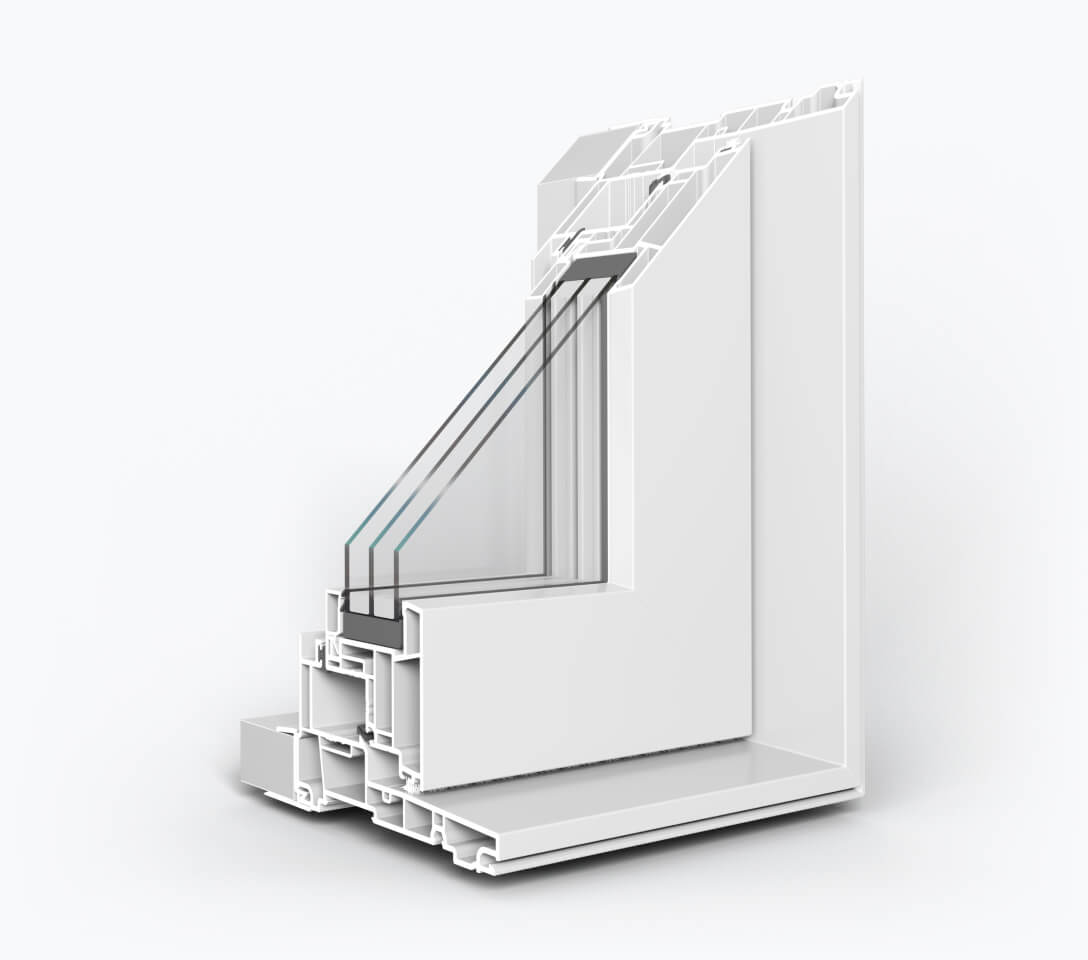
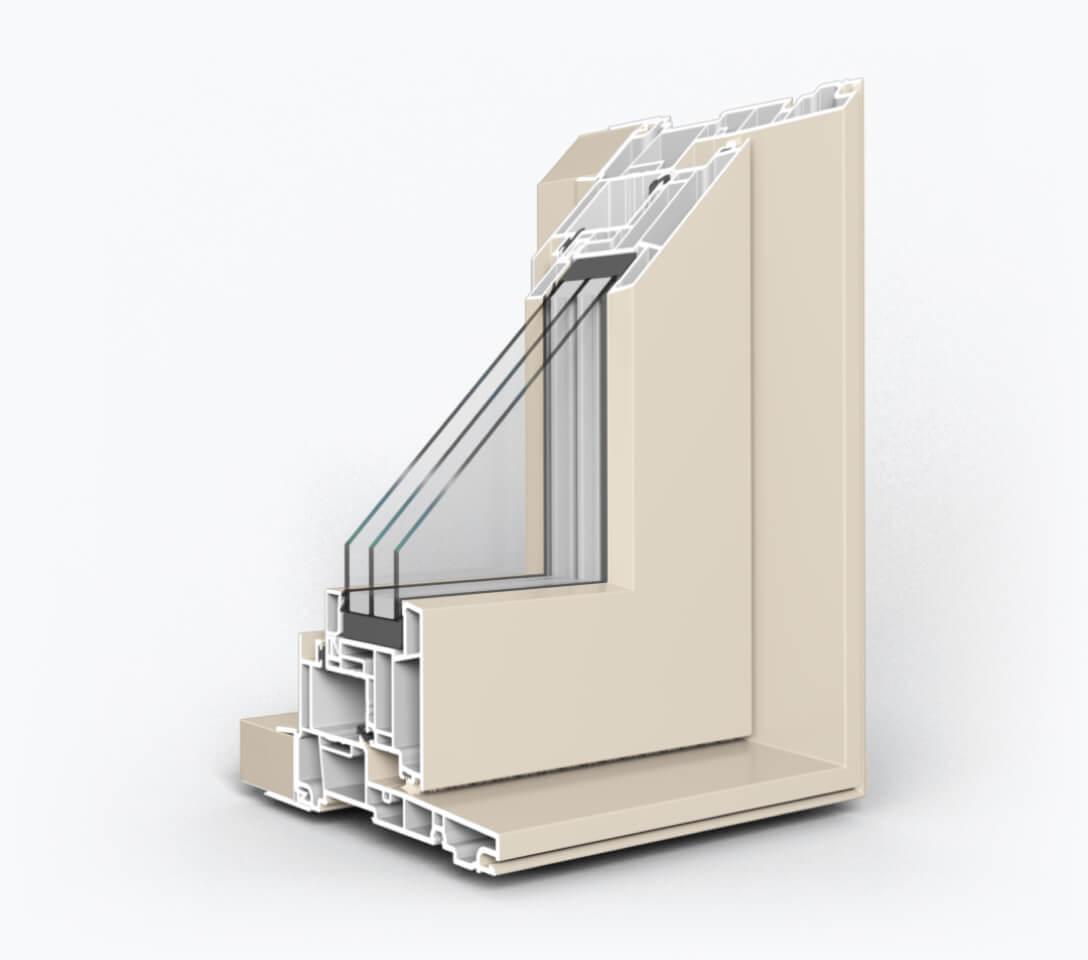
At Total Home Windows and Doors, our casement windows are built using TotalSeal™ Technology, an advanced window system designed for strength, insulation, and long-term performance in Canadian conditions.
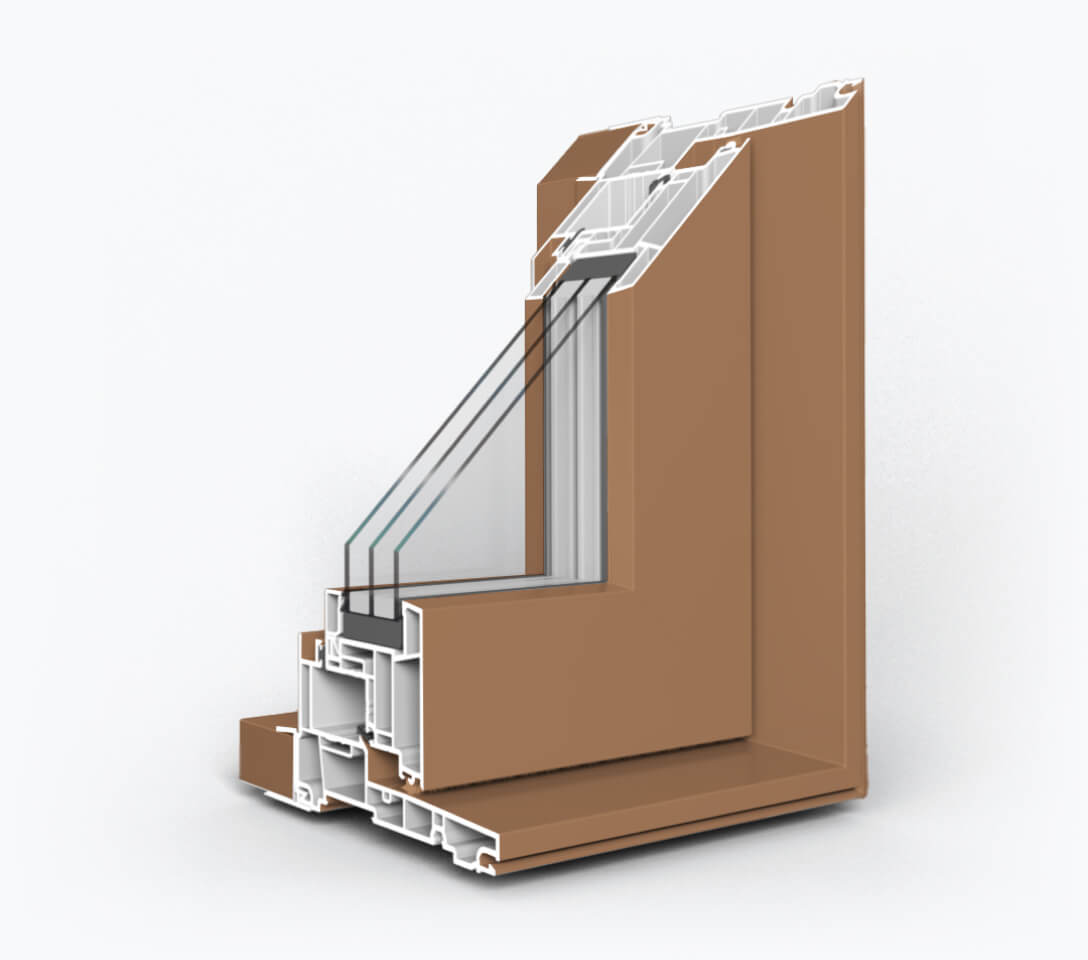
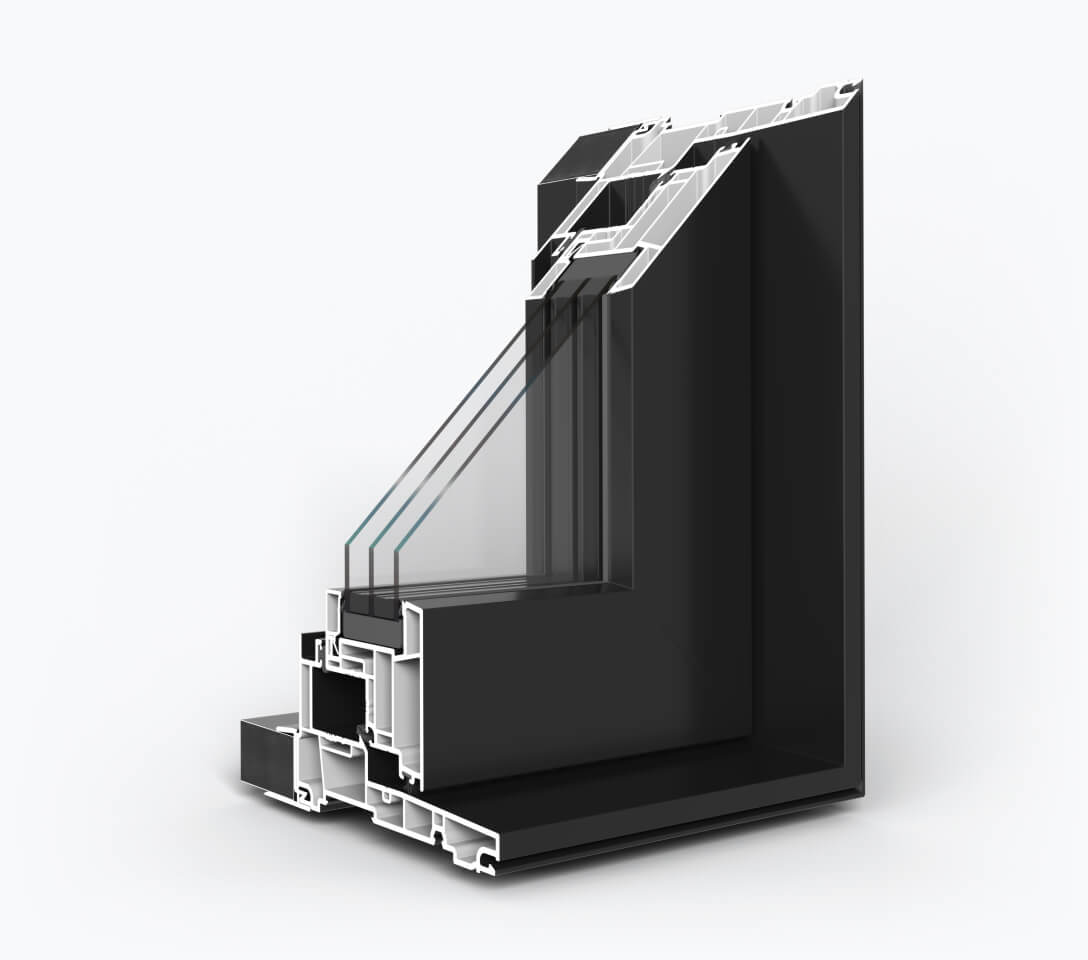
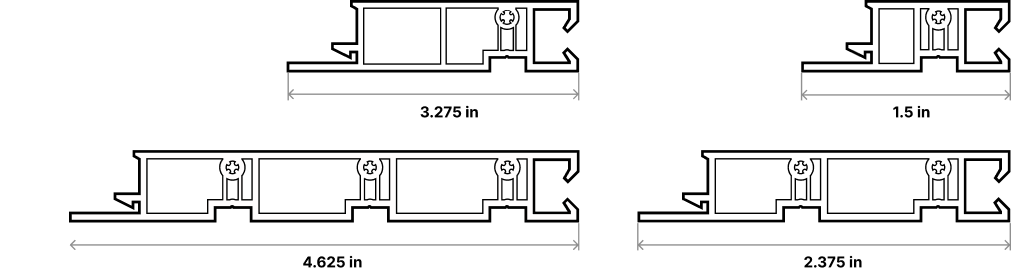
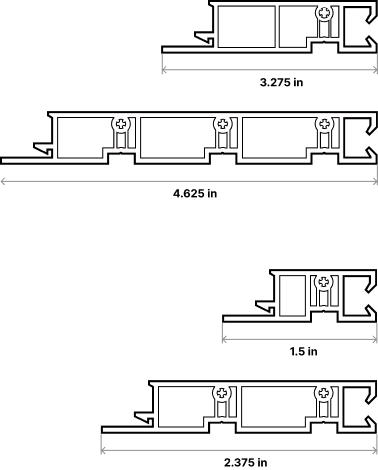
Fusion-welded corners form a single solid joint, creating a rigid, leak-resistant frame that helps prevent air and water infiltration over time. A multi-chamber vinyl frame increases structural stability while reducing sound transmission and improving thermal insulation.
Start your window transformation journey with our streamlined four-step process designed for efficiency and satisfaction.
Schedule a no-obligation consultation. During this consultation, our experts will assess your needs, measure spaces, and provide detailed recommendations tailored to your home.
Our design team creates a personalized plan that incorporates your preferences, architectural requirements, and energy efficiency needs, complete with 3D visualization.
Our certified installation team completes your project with minimal disruption, following strict quality control measures and cleanliness protocols.
A thorough inspection ensures everything meets our high standards, followed by a detailed walkthrough of operations and maintenance procedures.
Learn how the TotalSeal™ Technology is applied specifically to casement windows, which open outward and place unique demands on the frame and sash. Casement windows require precise geometry and reinforced construction to support side-hinged operation while maintaining a tight seal when closed.
The frame is engineered to remain stable under the loads created by outward-opening sashes, helping prevent twisting, sagging, or long-term misalignment.
The operable sash is reinforced to support the weight of double- or triple-glazed insulating glass units without compromising smooth and easy operation.
Frame geometry is designed to maintain consistent compression of the weather seals around the entire perimeter of the window. This helps ensure uniform sealing pressure,
The frame and sash are engineered to properly support both double- and triple-pane glass configurations while maintaining performance and durability.
The hinge side is reinforced to handle the weight of outward-opening casement windows, helping prevent sagging and ensuring long-term smooth operation.
Encore operators are designed to handle increased sash weight and frequent daily use while protecting internal components from debris.
Our triple-pane windows offer superior insulation, featuring multiple layers of protection for maximum energy efficiency and sound reduction.
Choose between 13/16″ or 1/8″ double-pane options, offering excellent
thermal performance and noise reduction at a competitive price.
Our advanced Low-E coated windows reflect harmful UV rays while maintaining optimal indoor temperature, protecting your furniture from fading.
These windows, featuring sealed units filled with argon gas, provide superior insulation and energy efficiency in extreme weather conditions.
We’ve been the Greater Toronto Area’s trusted source for premium windows and doors for over two decades. Our family-owned business combines traditional craftsmanship with modern innovation, ensuring every installation meets the highest standards of quality and efficiency.
We’re proud to maintain a 5-star rating on Google and HomeStars and have completed over 10,000 successful installations. Our certified installers undergo continuous training to stay current with industry standards and technologies.
Our proprietary Total Seal system ensures unmatched energy efficiency and security. Each window features multiple locking points and weather-tight seals, yielding superior performance and comfort year-round.
Our certified installation crews average 15+ years of experience, ensuring flawless installation every time. We're so confident in our work that we offer a lifetime installation warranty.
We exclusively use Canadian-made materials that exceed ENERGY STAR® certified standards and are backed by industry-leading warranties. Our windows are tested to withstand extreme Canadian weather conditions.
Our dedicated project managers ensure clear communication and satisfaction from initial consultation to final inspection. We maintain a 98% customer satisfaction rate.
Vice President of Sales
We believe that quality craftsmanship is essential to creating products that stand the test of time. Our skilled artisans meticulously construct each window and door, ensuring that every detail meets our exacting standards. This commitment to excellence results in products that homeowners can trust for years to come.
We stand behind our products and workmanship with comprehensive lifetime warranties. Our guarantee covers all components, including frames, glass, hardware, and installation labour. If any issues arise, we’ll fix them at no cost to you.
The warranty is fully transferable to new homeowners, adding value to your property. Terms include coverage for seal failure, hardware malfunction, and installation-related issues. Exclusions apply only to damage from extreme weather events or misuse.
Experience the difference between premium bay windows installed by Toronto’s most trusted window professionals. Book your free consultation today.
Read our expert articles on choosing, installing, and maintaining the perfect windows for your home.
Need help?
Bay windows can increase utility bills due to their larger glass surface area. Due to structural requirements, they may require additional maintenance and installation costs may be higher than for standard windows.
Depending on window sizes and materials, Bay window costs typically range from $3,000 to $7,000. Installation costs are higher than replacement window costs due to the structural modifications needed.
The term “bay” comes from architecture and refers to a recessed area or alcove. Bay windows consist of three windows projecting outward, creating this bay-like space.
Bay windows add more natural light, increase living space, and enhance your home’s curb appeal. They’re excellent for kitchen windows and living rooms, making spaces feel more significant.
Yes, bay windows require proper structural support beneath the window bay. The installation crew must ensure adequate foundation and bracing for these box bay windows.
Professional bay window installation is strongly recommended. Converting from a standard window to a bay requires structural knowledge and expertise that DIY can’t provide.
Yes, old windows within a bay window structure can be replaced individually. However, replacing all three windows together ensures consistent performance and appearance.
Converting an old window to a new bay window typically costs $5,000-$10,000, including structural modifications and installation costs for the complete window bay.
Consider replacing it with modern bay or bow windows, which are more energy efficient. Garden window options are also popular for kitchen spaces.
Bay window costs reflect complex installation requirements, the materials’ quality, and the need for structural modifications. They’re essentially three windows combined.
Yes, damaged glass can be replaced individually in bay windows. However, if your bay windows need to be updated or more efficient, consider full replacement windows.
Five-panel bay and bow windows typically cost between $5,000 and $12,000, depending on the window sizes, materials, and installation requirements.
By submitting this form, you agree to our Terms and Conditions