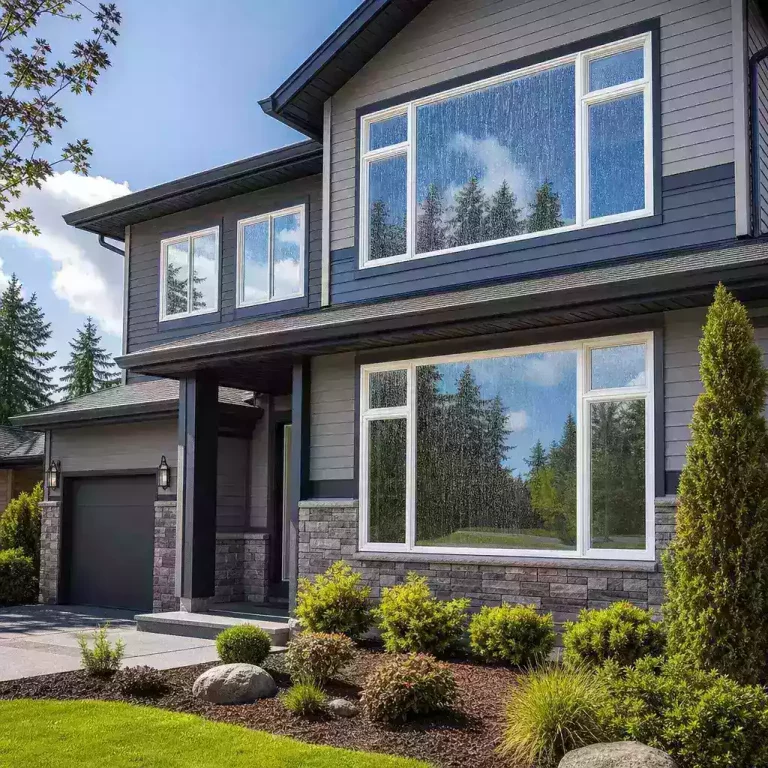


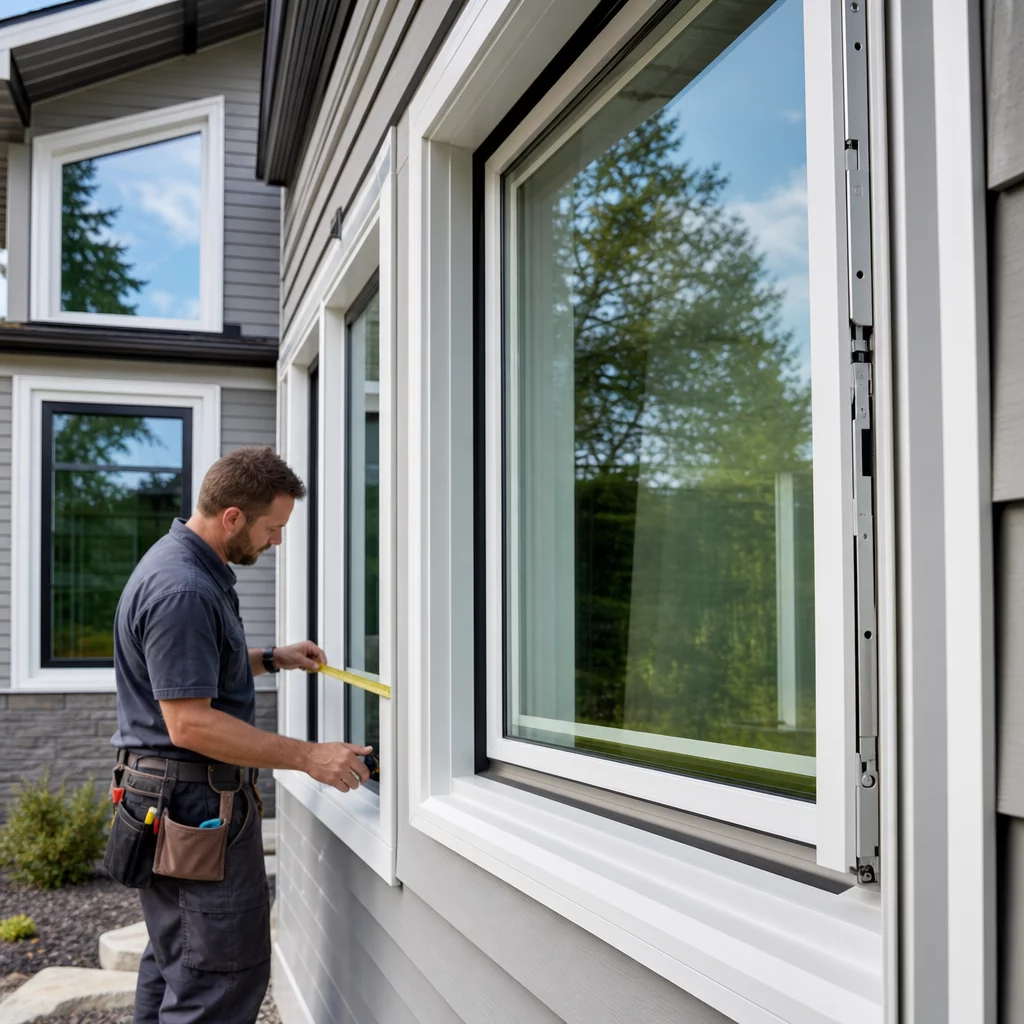
Replacing all the windows in your home typically costs between $8,000 and $24,000 for an average-sized Canadian house, with most homeowners paying around $15,000 for mid-range vinyl windows including professional installation. The final price depends on window type, material quality, size, ENERGY STAR™ certification, and labour complexity. Understanding these cost factors helps you plan your budget and make informed decisions when you decide to upgrade your home’s windows.
Cost Breakdown Table
| Window Category | Material Cost Per Window | Installed Cost Per Window | Best For |
|---|---|---|---|
| Basic Vinyl | $200–$350 | $400–$650 | Budget-conscious projects |
| Mid-Range Vinyl | $350–$600 | $650–$1,000 | Most Canadian homes |
| Premium Vinyl/Aluminum | $600–$1,200 | $1,000–$2,000 | High-performance builds |
| Specialty Windows | $700–$2,000+ | $1,200–$4,000+ | Custom architectural designs |
When planning a whole-home replacement, consider that the average Canadian house has 15 to 20 windows. This means your total project cost will multiply quickly based on the window style and features you choose.
Window and Doors Replacement Near Me
Window Replacement Cost by Type
Different window styles come with varying price points based on their operating mechanisms, glass area, and installation requirements. Here’s what you can expect to pay for the most common residential window types.
Basic Window Styles
Cost: $200–$650 installed
Single-hung windows and sliding windows represent the most economical choices for homeowners. These units feature simple mechanisms with fewer moving parts, which translates to lower manufacturing costs. A small single-hung window ranges from $220 to $350, while medium sizes run $380 to $600. Single sliding windows start at just $200 for small units.
These styles work well for bedrooms, bathrooms, and secondary rooms where ventilation needs are moderate. They’re particularly popular in Toronto and GTA homes built in the 1980s and 1990s.
Mid-Range Window Types
Cost: $400–$1,500 installed
Casement windows and double-hung windows fall into this category. Single casement units cost between $240 and $750 depending on size, while double casements range from $560 to $1,630. The crank mechanism and superior sealing capabilities justify the higher price point.
Awning windows occupy a similar price range, starting at $280 for small units and reaching $1,130 for large sizes. These windows excel in Canadian climates because they can remain open during light rain while maintaining weather protection.
Vitaly Shapiro, Vice President of Sales, explains: “Casement windows consistently deliver better energy performance than sliders because their compression seal creates an airtight barrier when closed. For Canadian winters, this translates to measurable savings on heating bills, typically recovering the price difference within 5 to 7 years.”
Premium and Specialty Options
Cost: $700–$4,000+ installed
Bay windows and bow windows create architectural focal points but come with premium pricing. Small bay windows start at $700, while large units can exceed $2,630. These multi-panel configurations require structural support and more complex installation.
Picture windows offer another premium option, particularly for large installations. While small fixed units cost just $160 to $250, large picture windows can reach $2,560 to $4,000 due to the specialized glass and structural requirements for spanning wide openings.
Tilt and turn windows represent European engineering with dual-operation capabilities. Medium sizes range from $410 to $640, offering both tilt ventilation and full swing-open functionality.
What Affects Window Replacement Costs?
Understanding cost drivers helps you make strategic choices when planning your window replacement project. Several factors significantly impact your final investment.
Material Selection
Vinyl remains the most popular choice for Canadian homeowners due to its durability, low maintenance, and thermal performance. Aluminum windows typically cost 15% to 30% more upfront than vinyl but offer slim sightlines preferred in modern architecture. The material choice affects both initial costs and long-term maintenance expenses.
Glass Configuration and Coatings
Standard double-pane windows with argon gas fill represent the baseline for energy efficiency. Upgrading to triple-pane windows adds $150 to $300 per window but dramatically improves thermal performance. Low-E coatings add $30 to $75 per window while reducing heat transfer by up to 50%.
According to Natural Resources Canada, ENERGY STAR™ certified windows can reduce heating costs by 7% to 15% annually in Canadian climates.
Window Size and Custom Dimensions
Standard window sizes cost significantly less than custom dimensions. When builders need to modify rough openings or create non-standard shapes, expect to pay 20% to 40% more. Large windows require thicker glass and reinforced frames, adding to material costs.
Installation Complexity
Simple window replacements in existing openings cost less than installations requiring structural modifications. If your project involves enlarging window openings, adding headers, or addressing brick veneer, labour costs increase substantially. Second-story installations require scaffolding or lift equipment, adding $50 to $150 per window.
Alexandr Naumov, Project Manager, notes: “We often see homeowners underestimate the cost of dealing with unexpected issues during installation. Rotted framing, outdated insulation, or structural concerns can add 15% to 25% to the project budget. A thorough pre-installation inspection helps identify these issues early.”
Geographic Location
Labour rates vary across Canadian regions. Toronto and GTA typically see higher installation costs than smaller Ontario communities. Travel fees may apply for remote locations, and local building codes can affect permit requirements and inspection costs.
Energy Efficiency Features
ENERGY STAR™ certification adds $50 to $150 per window but qualifies you for potential rebates. The Canada Greener Homes Grant offers up to $5,000 for qualifying energy-efficient upgrades, including windows. Multi-point locking systems, warm-edge spacers, and advanced weatherstripping contribute to both cost and performance.
Whole-Home Replacement: Complete Cost Analysis
Planning a complete window replacement requires understanding how individual window costs scale to full-home projects. Here’s a realistic breakdown for different home sizes.
| Home Size | Number of Windows | Budget Range | Mid-Range Estimate | Premium Range |
|---|---|---|---|---|
| Small Bungalow (1,000–1,500 sq ft) | 10–12 windows | $6,000–$9,000 | $10,000–$13,000 | $14,000–$20,000 |
| Medium Home (1,500–2,500 sq ft) | 15–18 windows | $9,000–$14,000 | $15,000–$20,000 | $22,000–$32,000 |
| Large Home (2,500–3,500 sq ft) | 20–25 windows | $12,000–$18,000 | $20,000–$28,000 | $30,000–$45,000 |
| Executive Home (3,500+ sq ft) | 25–35 windows | $15,000–$24,000 | $28,000–$38,000 | $40,000–$65,000+ |
These estimates assume a mix of window styles typical in Canadian homes: primarily casement and slider windows with one or two specialty units like bay windows or picture windows. Projects using exclusively premium materials or requiring extensive structural work will fall at the higher end.
Find the Best Window Styles for your Home
How to Reduce Window Replacement Costs
Strategic planning can significantly lower your total investment without sacrificing quality or performance. Consider these proven approaches.
1. Replace Strategically, Not All at Once
Prioritize windows based on condition and location. Replace north-facing windows first, as they lose the most heat in Canadian winters. Windows with visible damage, drafts, or condensation between panes should take priority. This phased approach spreads costs over multiple years while addressing the most problematic units first.
2. Choose Standard Sizes
Standard window dimensions cost 20% to 40% less than custom sizes. When possible, select replacement windows that fit existing rough openings without modifications. This eliminates carpentry costs and reduces installation time.
3. Mix Window Styles Appropriately
Use premium windows where they matter most—living rooms, master bedrooms, and street-facing facades. Install more economical styles in secondary bedrooms, bathrooms, and utility areas. This balanced approach maintains curb appeal while controlling costs.
4. Schedule During Off-Peak Season
Window companies often offer better pricing during late fall and winter months when demand drops. While installation in cold weather requires extra precautions, the savings can reach 10% to 15%. Just ensure your installer has experience with cold-weather installations.
5. Leverage Available Rebates and Incentives
Research federal, provincial, and municipal programs before purchasing. The Canada Greener Homes Grant provides substantial rebates for energy-efficient windows. Some utility companies offer additional incentives. These programs can offset 15% to 25% of your total project cost.
6. Bundle Services
When you’re ready to replace old window frames, consider bundling with other exterior work like siding or door replacement. Contractors often provide package discounts when multiple projects share setup costs, scaffolding, and waste disposal.
Best window companies reviews
Comparing Window Manufacturers and Warranties
Not all window manufacturers offer the same value proposition. Understanding what separates quality products from budget options helps you make informed decisions.
Total Home Windows and Doors manufactures ENERGY STAR™ certified windows with the TotalSeal Multi-Point Locking System, providing superior security and energy performance. With an A+ BBB rating, 4.9 Google rating, and 5.0 Homestars rating, the company has established a reputation for quality and service throughout the GTA.
Key factors to evaluate when comparing manufacturers:
- Warranty coverage: Look for lifetime warranties on frames and sash, plus substantial glass coverage (typically 20+ years)
- Local manufacturing: Canadian-made windows are engineered for local climate conditions and building codes
- Certification standards: ENERGY STAR™ certification ensures minimum performance thresholds
- Installation quality: Factory-trained installers reduce callbacks and ensure proper performance
- Customer support: Local manufacturers provide faster service and easier warranty claims
Installation Costs and Timeline
Professional installation typically accounts for 40% to 50% of your total project cost. Understanding what’s included helps you evaluate quotes accurately.
Standard installation services include:
- Removal and disposal of old windows
- Inspection and repair of rough openings
- New window installation with proper shimming and levelling
- Interior and exterior trim work
- Insulation and weatherproofing
- Cleanup and site restoration
For an average home with 15 to 18 windows, expect installation to take 2 to 4 days. Larger homes or projects involving structural modifications may require 5 to 7 days. Weather delays can extend timelines during winter months.
Long-Term Value and Return on Investment
While the upfront cost of new windows represents a significant investment, the long-term benefits extend beyond energy savings. Quality replacement windows typically provide a 70% to 80% return on investment when you sell your home.
Annual energy savings for a typical Canadian home range from $300 to $800, depending on your current windows’ condition and your new windows’ efficiency. Over a 20-year lifespan, this translates to $6,000 to $16,000 in reduced heating and cooling costs.
Additional benefits include improved comfort, reduced outside noise, easier operation and maintenance, and enhanced curb appeal. These factors contribute to overall home value even if they’re harder to quantify financially.
Choosing the Right Window Company
Selecting a qualified installer is as important as choosing quality windows. The best installation practices ensure your windows perform as designed and last their full expected lifespan.
When evaluating window companies, consider these factors:
- Credentials and certifications: Verify licensing, insurance, and manufacturer certifications
- Experience with your window type: Specialty windows require specific expertise
- References and reviews: Check multiple sources including BBB, Google, and Homestars
- Written estimates: Detailed quotes prevent surprises and scope creep
- Warranty coverage: Understand both product and labour warranties
- Timeline commitments: Realistic schedules indicate professional project management
Total Home Windows and Doors offers comprehensive services from consultation through installation, backed by industry-leading warranties and customer satisfaction ratings. Their showroom allows you to see and operate different window styles before making your selection.
Making Your Final Decision
Armed with detailed cost information and understanding of quality factors, you can confidently plan your window replacement project. Start by getting multiple quotes from reputable manufacturers, ensuring each quote includes identical specifications for accurate comparison.
Consider the total cost to get new windows installed as an investment in your home’s comfort, efficiency, and value. While budget constraints matter, choosing the lowest bid often leads to disappointment. Focus on value—the combination of quality products, professional installation, and reliable warranty support.
Schedule a consultation with experienced professionals who can assess your specific needs, recommend appropriate solutions, and provide transparent pricing. Whether you’re looking into options for replacing your windows or ready to move forward with a complete home renovation, working with a trusted local manufacturer ensures the best outcome for your investment.
Frequently Asked Questions (FAQ)
How much do replacement windows cost for a 2000 square foot house?
A 2000 square foot home typically has 15 to 18 windows. Expect to pay between $12,000 and $22,000 for complete replacement using mid-range vinyl windows with professional installation included.
Are vinyl or aluminum windows more expensive?
Aluminum windows cost 15% to 30% more than comparable vinyl windows. However, aluminum offers slimmer frames and modern aesthetics that some homeowners prefer for contemporary architecture.
Can I install windows myself to save money?
DIY installation is possible but not recommended. Improper installation voids warranties, reduces energy efficiency, and may cause water infiltration. Professional installation ensures proper performance and maintains manufacturer warranties.
How long does a whole-home window replacement take?
Most complete window replacements take 2 to 5 days depending on home size and window quantity. Complex projects involving structural modifications or custom units may require additional time.
Do new windows qualify for government rebates in Canada?
Yes, ENERGY STAR™ certified windows qualify for the Canada Greener Homes Grant, offering up to $5,000 for qualifying energy-efficient upgrades. Additional provincial and utility company programs may also apply.