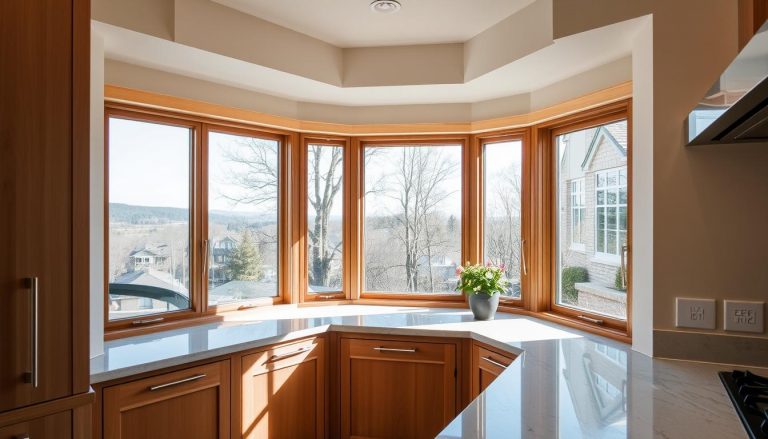


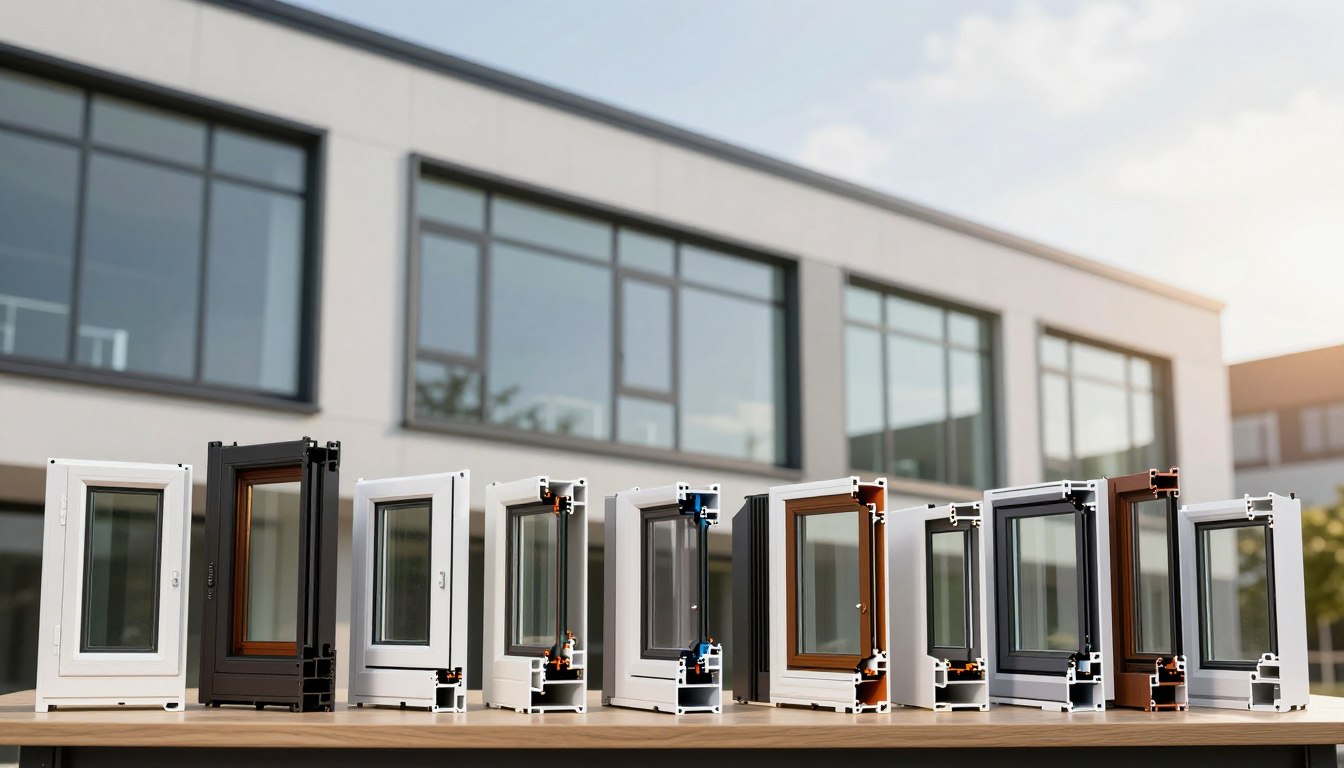
Did you know that poorly fitted glass panels can be responsible for up to 25% of a home’s heat loss? This surprising fact highlights how crucial proper dimensions are for comfort and cost.
Choosing the right product for your opening is about more than just looks. It directly impacts your energy efficiency, curb appeal, and even your property’s value. Knowing common measurements saves time and avoids hassle during a renovation or building project.
At Total Home Windows & Doors, we understand this deeply. As a premier Ontario manufacturer with an A+ BBB accreditation, a 4.9 Google rating, and a 5.0 Homestars score, we build trust into every unit. Our expertise ensures your replacement process is smooth from start to finish.
We guide you through selecting the perfect fit for your room’s specific height and width. Our team prioritizes optimal light and ventilation in every design. This guarantees a result that meets local building code and enhances your living space.
Key Takeaways
- Correct dimensions for your glass panels are vital for home energy efficiency and reducing heat loss.
- Common measurements exist to simplify the selection and replacement process for homeowners.
- Working with a reputable company like Total Home Windows & Doors ensures quality and professional installation.
- Proper fit affects not just aesthetics but also compliance with local building codes and safety.
- Understanding standard options can help you make informed decisions about light, ventilation, and design.
- Our accredited team provides expert guidance to match the perfect product to your specific opening.
Understanding Standard Fixed Windows in Canada
For Canadian homeowners, the dimensions of a new glass unit are often quoted in two different ways. Our country officially uses the metric system. Yet, imperial measurements remain dominant for describing these products.
Common measurements are defined by width and height. They are given in both inches and millimetres. This dual system ensures consistency across the entire building industry.
These typical dimensions help simplify manufacturing. They also reduce costs for your renovation project. The table below shows some common examples for reference.
| Style | Width (inches) | Height (inches) | Metric Equivalent (mm) |
|---|---|---|---|
| Picture Window | 36 | 24 | 914 x 610 |
| Casement Window | 30 | 48 | 762 x 1219 |
| Double-Hung Window | 28 | 54 | 711 x 1372 |
Our experts use these common sizes as a helpful baseline. We always tailor the final product to your home’s exact opening. This ensures optimal performance, proper light, and full code compliance.
A professional installation requires careful consideration of the wall structure. We adjust for your personal preferences and local building rules. This proves a standard measurement is not always a universal fit.
Window and Doors Replacement Near Me
The Benefits of ENERGY STAR-Certified Windows for Canadian Homes
In Canada’s harsh climate, certified glass units play a crucial role in maintaining indoor comfort and lowering bills. ENERGY STAR™-rated products provide superior thermal performance. They keep warmth inside during winter and block excess heat in summer.
Our units feature the advanced TotalSeal Multi-Point Locking System. This technology enhances security and creates a tight seal against weather. It stops drafts and moisture from entering your home.
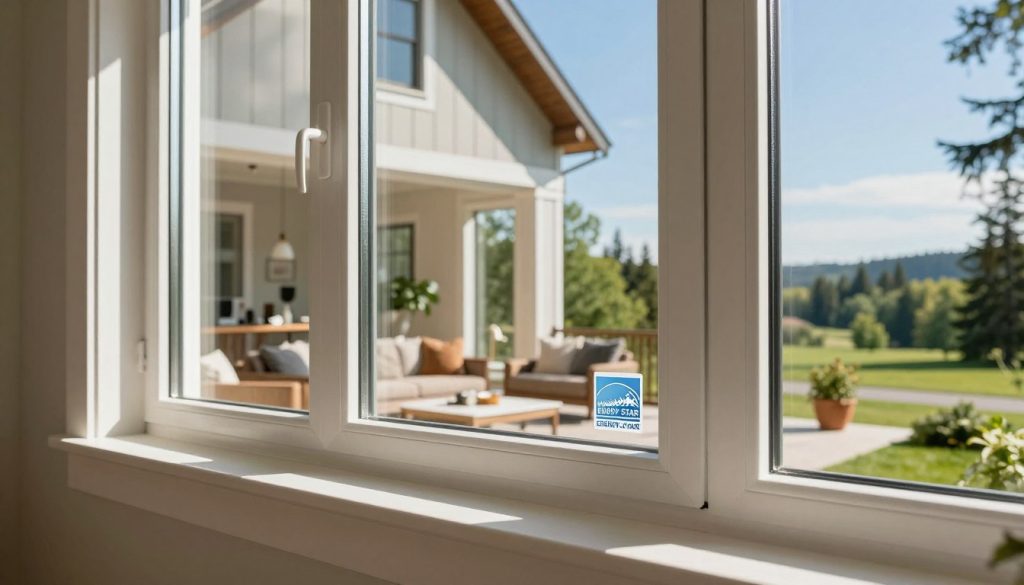
We offer a wide range of dimensions to fit any residential opening. Proper installation by our team ensures optimal energy efficiency results. A seamless fit prevents air leakage and maximizes your investment.
| Feature | ENERGY STAR-Certified Units | Non-Certified Units |
|---|---|---|
| Energy Efficiency Rating | High (meets strict standards) | Variable, often lower |
| Typical Annual Cost Savings | Significant on heating/cooling | Minimal |
| Security Locking System | TotalSeal Multi-Point | Basic single-point |
| Warranty & Durability | Long-term performance guarantee | Often shorter |
Choosing a high-quality replacement from Total Home Windows & Doors improves your property’s value. Our products are built to last and comply with rigorous Canadian requirements. Contact us to learn how certified windows can transform your living space.
Find related services
Exploring Common Window Types and Their Standard Dimensions
Different glass styles serve unique purposes, from enhancing airflow to framing outdoor scenery. Knowing the typical measurements for each type helps you plan your project.
Casement units are usually taller than they are wide. This design promotes excellent ventilation for your room.
Picture styles are built without moving parts. They maximize natural light and provide beautiful, unobstructed views.
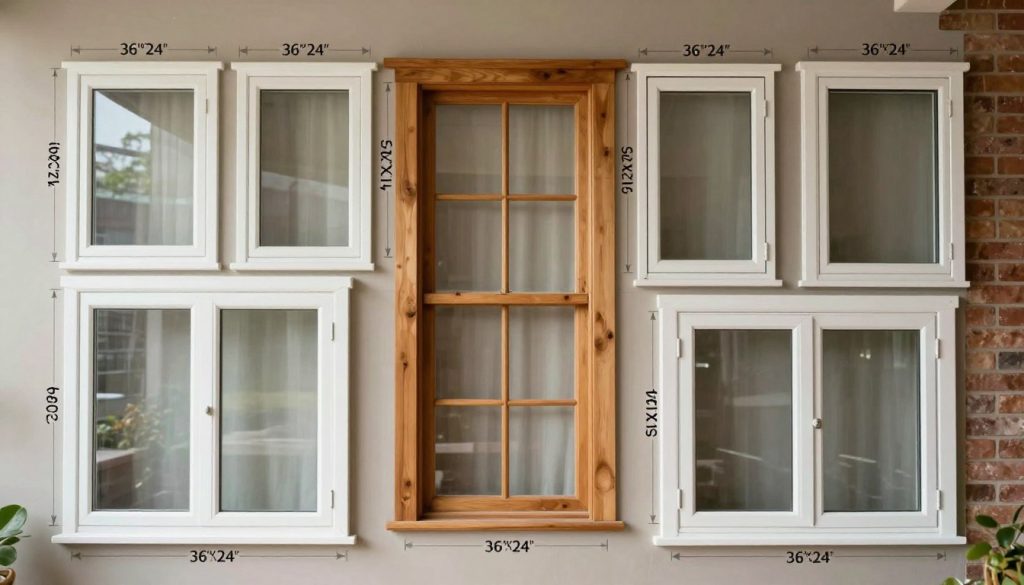
The table below outlines common examples for popular choices. These dimensions offer a helpful starting point for your home.
| Window Type | Typical Width (inches) | Typical Height (inches) | Primary Function |
|---|---|---|---|
| Casement | 24 to 36 | 48 to 60 | Enhanced ventilation |
| Picture | 36 to 72 | 24 to 48 | Maximizing natural light |
| Double-Hung | 28 to 32 | 54 to 62 | Versatile airflow control |
We provide custom solutions if your opening doesn’t match a common size. Our team measures carefully to ensure a perfect fit for your replacement. This saves you time and guarantees optimal performance.
Explore energy-efficient options
Measuring and Selecting the Right Rough Opening
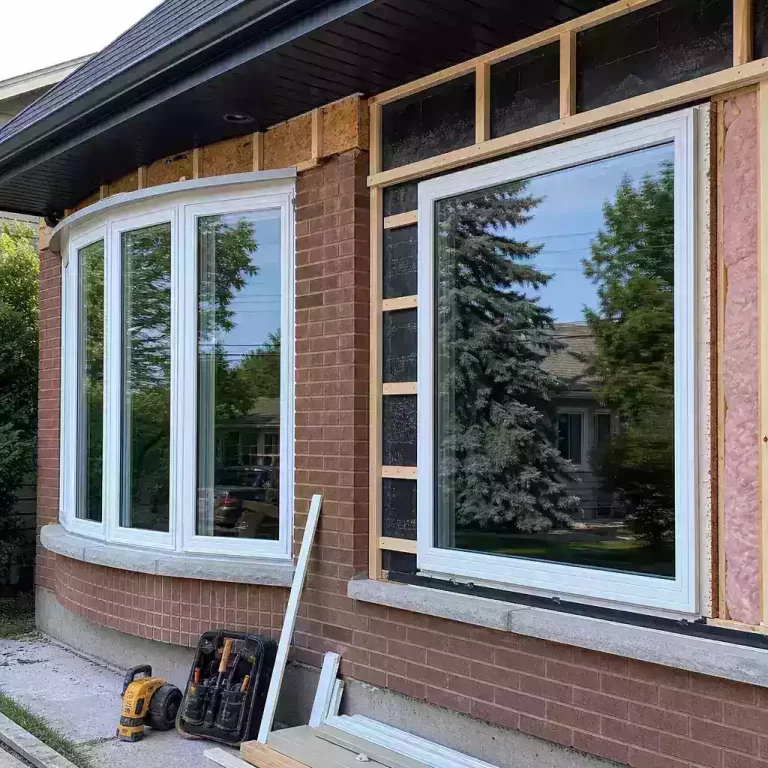
Before any new window arrives, our team focuses on one critical detail: the exact size of the rough opening. This is the framed space in your wall where the product will sit. Accurate measurement here guarantees a perfect fit.
The rough opening is typically half an inch wider and taller than the window unit itself. This extra space allows for proper shimming and levelling during the installation process. It is a fundamental rule for a successful replacement.
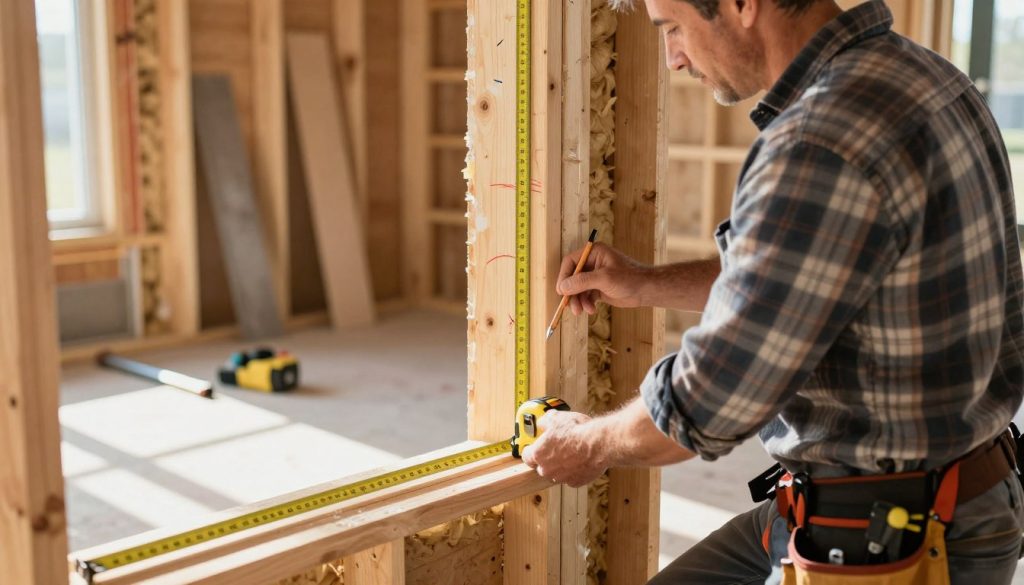
We follow a rigorous measurement process. Our experts check the frame’s squareness and dimensions in multiple locations. This verification ensures your custom window is manufactured to exact specifications.
| Window Type | Rough Opening Width (in) | Rough Opening Height (in) | Window Unit Size (in) |
|---|---|---|---|
| Picture | 36.5 | 24.5 | 36 x 24 |
| Casement | 30.5 | 48.5 | 30 x 48 |
| Double-Hung | 28.5 | 54.5 | 28 x 54 |
Proper ventilation and energy efficiency depend on this correct sizing. We ensure every project meets local building code requirements. Our expertise in selecting the right window size provides long-term performance and peace of mind.
Find the Best Window Styles for your Home
Ensuring Durability with TotalSeal Multi-Point Locking System
Beyond just dimensions, the quality of a window’s sealing technology defines its true resilience against the elements. We integrate the TotalSeal Multi-Point Locking System directly into our product design.
This advanced mechanism is a standard feature on our ENERGY STAR™-certified units. It ensures maximum durability from the first day of your installation.
The system provides enhanced security for your home. It also creates a superior weather seal that blocks drafts and moisture.
This combination protects your interior comfort and boosts overall energy efficiency. The table below shows how this integrated system compares to basic alternatives.
| Feature | With TotalSeal System | Without Advanced Locking |
|---|---|---|
| Weather Sealing | Multi-point compression gasket | Basic single-point seal |
| Security Points | Multiple locking points per frame | Often one central lock |
| Long-Term Durability | Engineered for repeated use | Prone to wear over time |
| Energy Performance | Optimized for tight seal | Higher risk of air leakage |
Proper installation is essential to activate the full benefits of this system. Our team ensures every unit is perfectly matched to your rough opening.
This guarantees a seamless fit within your home’s frame. Investing in this technology delivers lasting performance and peace of mind.
Best window companies reviews
Fixed Windows Standard Sizes: Breaking Down the Essential Metrics
Accurate measurement for any window installation hinges on understanding both the unit size and the surrounding brickmould. This trim piece frames the product and affects the final dimensions.
Standard brickmoulds are typically one inch. Their actual measurement can range from 3/4 to 1 7/8 inches. This variation influences the overall fit within your wall’s rough opening.
We manufacture our products in both high and low profile frame options. Your choice here impacts the visible glass area and the amount of light in your room.
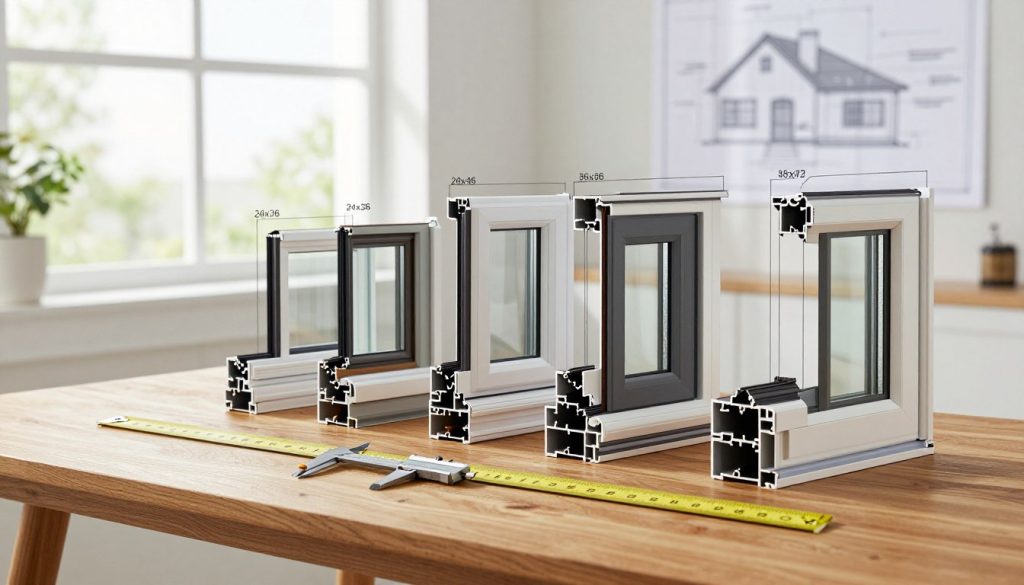
The table below highlights how frame profile selection changes key metrics for your home.
| Feature | High Profile Frame | Low Profile Frame |
|---|---|---|
| Frame Depth | Deeper, more substantial | Slimmer, minimalist design |
| Visible Glass Area | Moderately reduced | Maximized for view |
| Best For | Traditional architectural styles | Modern, light-filled spaces |
| Brickmould Accommodation | Works with wider trim | Suits narrower profiles |
Our detailed charts for standard window sizes help you compare different window types. We ensure your replacement project is completed with precision.
Contact us to find the perfect match for your home’s unique architecture and design needs.
Overcoming Common Installation Challenges in Canadian Homes
Installing new windows in older Canadian homes often reveals unexpected hurdles that demand expert solutions. A primary concern is meeting strict safety codes, like the Ontario Building Code requirement for egress.
This rule mandates a minimum clear opening of 0.35 m². It is critical for safe exit during an emergency in your home.
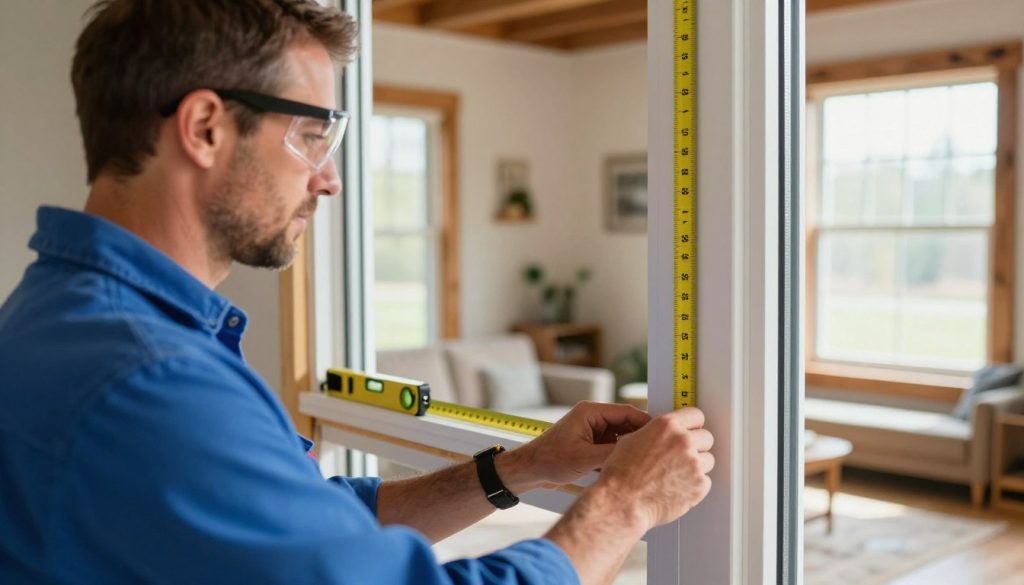
Non-standard openings in historic houses are another frequent issue. Our team specializes in custom window replacement to ensure a perfect fit and performance.
The table below outlines common obstacles and how we solve them.
| Challenge | Common Cause | Our Solution |
|---|---|---|
| Non-Standard Opening | Older construction methods | Custom-built units to exact dimensions |
| Egress Compliance | Existing window too small | Design enlargement to meet 0.35 m² code |
| Weather Sealing | Settled or uneven frame | Precise shimming and advanced locking systems |
We handle various window styles, from casement to sliding models. Our installation process guarantees proper light and ventilation for your room.
Contact us for professional service that overcomes any challenge with care and precision.
Finishing Our Guide: Making the Right Window Choice for Your Home
Your final choice in a window replacement project significantly shapes your home’s comfort and character for years. This decision balances aesthetics, energy efficiency, and local building code requirements. It applies whether you select a common or a fully custom window.
We provide the comprehensive information you need on product sizes and performance. Our expert team guides you through the entire process with confidence. We ensure every installation meets our high standards for quality and delivers lasting value.
Choosing the right style and dimensions enhances your home’s beauty and functionality. Contact Total Home Windows & Doors to discuss your needs. Let us help you transform your living space.
Thank you for reading our guide. We look forward to assisting with your home’s next upgrade.
FAQ
What are the most common dimensions for non-opening picture windows in Canada?
In our experience, typical picture window dimensions often start at 2 feet in height and 4 feet in width. Popular choices for living rooms or areas with a view are larger units, such as those measuring 4 feet by 6 feet or 6 feet by 8 feet. These measurements provide a generous glass area for natural light while maintaining structural integrity.
Why is ENERGY STAR certification important for my home’s new windows?
We recommend ENERGY STAR-certified products because they are specifically engineered for Canada’s climate zones. This certification ensures the glass and frame provide superior insulation. This reduces heat loss in winter and keeps your home cooler in summer, leading to significant savings on your energy bills and increased comfort year-round.
How do I accurately measure for a replacement window?
The most critical step is measuring the rough opening—the space in your wall where the frame will sit. We advise measuring the width and height at the top, middle, and bottom. Use the smallest measurement for each to ensure a proper fit. Always account for space needed for leveling and insulating around the new unit during the installation process.
What should I consider when choosing a window for a bathroom or basement?
For these spaces, building code requirements for ventilation and egress are paramount. While a fixed unit might work in some basements for light, code often requires an operable window in bedrooms and certain other rooms. We always suggest consulting local Canadian building codes and considering moisture-resistant materials for high-humidity areas like bathrooms.