

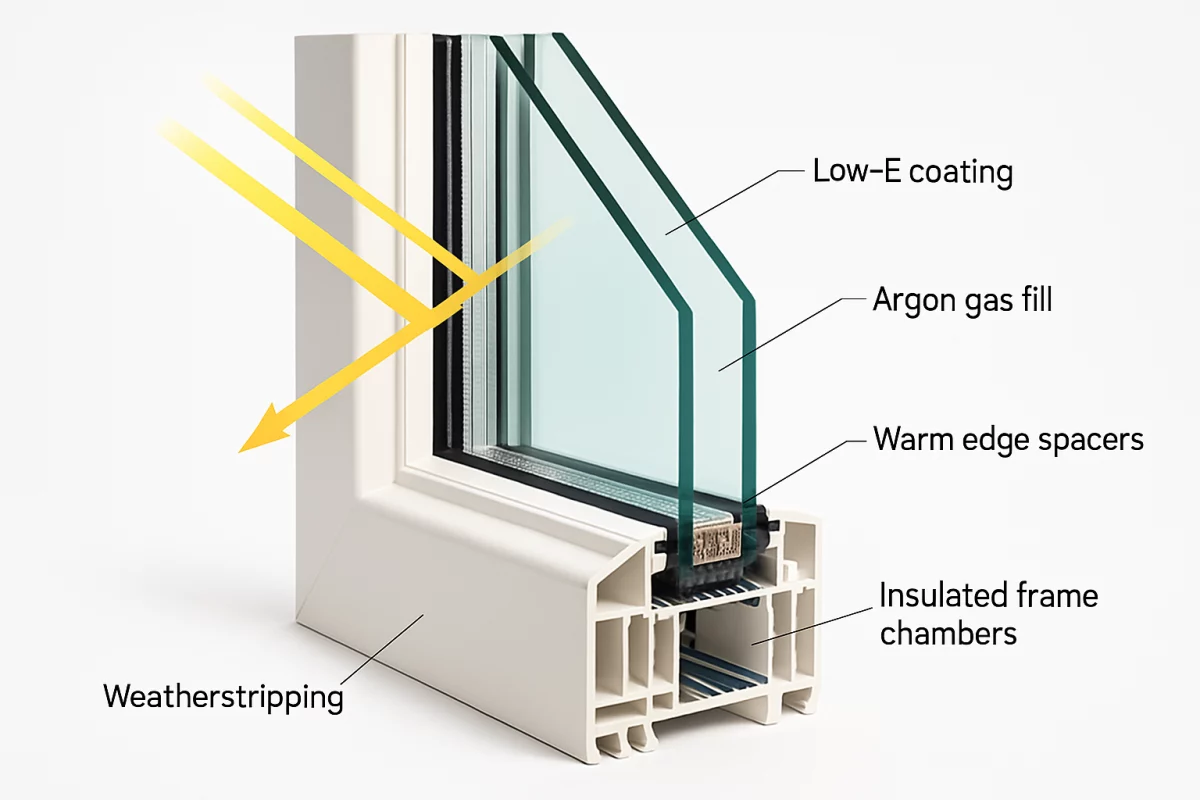
Energy efficient windows work through three critical components: advanced glass coatings, insulating gas fills, and thermally optimised frames that create multiple barriers against heat transfer. These ENERGY STAR™ certified windows reduce energy consumption by up to 40% compared to single-pane alternatives, whilst significantly improving indoor comfort and reducing utility costs for Canadian homeowners.
Key Takeaways
- Triple-pane glass with Low-E coatings reflects up to 90% of infrared radiation whilst maintaining visible light transmission
- Argon and krypton gas fills provide superior insulation compared to air, reducing heat transfer by 20-30%
- Advanced frame materials like vinyl and fibreglass eliminate thermal bridging that accounts for 30% of window heat loss
- Warm edge spacers and multi-point locking systems enhance overall thermal performance and air tightness
- Proper installation and quality manufacturing are crucial for achieving maximum energy efficiency ratings
Window and Doors Replacement Near Me
What Makes Glass Energy Efficient in Modern Windows?
The foundation of energy efficient windows lies in their sophisticated glazing systems. Modern energy-efficient windows feature multiple glass panes separated by carefully engineered spaces that dramatically reduce heat transfer.
Low-emissivity (Low-E) coatings represent the most significant advancement in window glass technology. These microscopic metallic layers, thinner than human hair, selectively reflect infrared radiation whilst allowing visible light to pass through. This means your home stays warmer in winter and cooler in summer without sacrificing natural lighting.
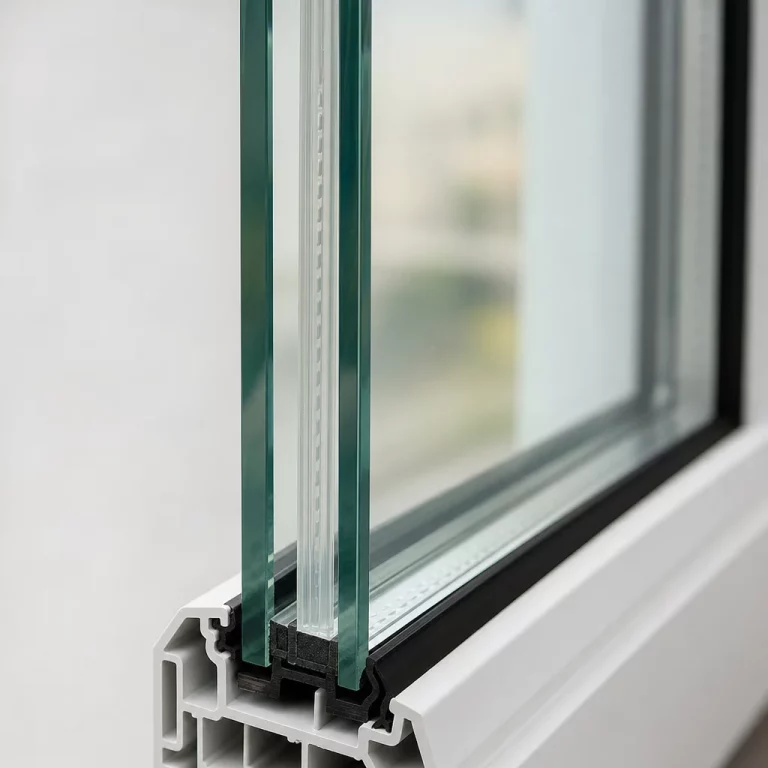
Double pane windows offer substantial improvements over single-pane alternatives, but triple pane windows provide the ultimate thermal performance. The additional glass layer creates two insulating cavities instead of one, resulting in U-values as low as 0.15 in premium models.
“The Low-E coating technology we use in our ENERGY STAR™ certified windows can reduce heat loss by up to 50% compared to clear glass, making it one of the most cost-effective energy improvements homeowners can make,” explains Vitaly Shapiro, Vice President of Sales.
Find related services
How Do Gas Fills Improve Window Insulation Performance?
Beyond advanced glazing, the space between glass panes plays a crucial role in thermal performance. Rather than air, manufacturers fill these cavities with dense, inert gases that provide superior insulation properties.
Argon gas windows represent the industry standard for energy efficiency. Argon is 38% denser than air and has lower thermal conductivity, reducing convective heat transfer within the glazing cavity. This translates to measurable improvements in both heating and cooling costs.
For premium applications, krypton gas offers even better performance. Though more expensive, krypton’s density advantage over argon makes it ideal for thinner glazing cavities whilst maintaining excellent insulation values.
| Gas Type | Density (kg/m³) | Thermal Conductivity | Cost Factor |
|---|---|---|---|
| Air | 1.20 | 0.024 | Baseline |
| Argon | 1.66 | 0.016 | Standard |
| Krypton | 3.48 | 0.009 | Premium |
Gas retention is critical for long-term performance. Quality manufacturers use dual-seal systems with primary butyl sealant and secondary structural sealant to prevent gas leakage over the window’s lifetime.
Explore energy-efficient options
Why Are Window Frames Critical for Energy Efficiency?
Window frames often account for 10-30% of the total window area, making their thermal properties essential for overall energy performance. Traditional materials like aluminium conduct heat readily, creating thermal bridges that compromise efficiency.
Modern vinyl windows feature multi-chamber designs that trap air within the frame structure. These chambers act as insulation barriers, preventing heat conduction through the frame material. Quality vinyl frames can achieve thermal resistance values comparable to wall insulation.
Fibreglass frames offer superior dimensional stability and can accommodate larger glazing areas whilst maintaining structural integrity. Their low expansion coefficient prevents seal failure that can occur with aluminium frames during temperature fluctuations.
Frame design innovations include:
- Thermal breaks in metal frames to interrupt heat conduction pathways
- Foam-filled cavities for enhanced insulation performance
- Reinforced corners and welded joints to prevent air infiltration
- Weather stripping systems designed for Canadian climate extremes
Find the Best Window Styles for your Home
What Role Do Spacers Play in Window Thermal Performance?
The spacer system that maintains distance between glass panes significantly impacts edge-of-glass thermal performance. Traditional aluminium spacers create cold spots that can lead to condensation and heat loss.
Warm edge spacers use materials with low thermal conductivity, such as foam, plastic, or stainless steel composites. These systems can improve overall window U-value by 0.1-0.2, representing substantial energy savings over the window’s lifetime.
“We specify warm edge spacers on all our energy-efficient installations because they eliminate the thermal bridging that occurs with traditional aluminium spacers. This detail alone can prevent condensation issues and improve comfort near windows,” notes Eugene Siukayev, Project Manager.
Best window companies reviews
How Does Professional Installation Impact Energy Performance?
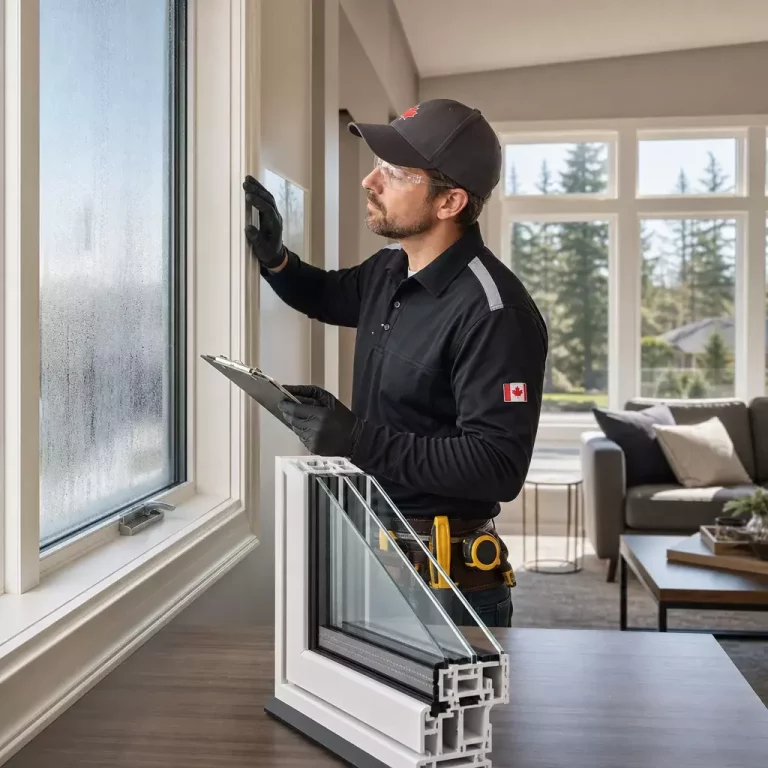
Even the most advanced energy-efficient windows will underperform without proper installation. Air leakage around the window frame can account for significant energy losses, negating the benefits of premium glazing and frame systems.
Professional windows replacement involves several critical steps:
- Accurate measurement and square framing to ensure proper fit
- Continuous air barrier installation using appropriate sealants
- Insulation placement to eliminate thermal bridging around the frame
- Interior and exterior finishing to maintain weather resistance
- Hardware adjustment for optimal seal compression and operation
Quality installation requires understanding of building science principles and local building codes. Improper installation can reduce window energy performance by 20-40%, making professional installation essential for achieving rated efficiency levels.
What Are the Long-term Benefits of Energy Efficient Windows?
Beyond immediate energy savings, efficient windows provide numerous long-term advantages for Canadian homeowners. Reduced heating and cooling loads extend HVAC equipment life whilst improving indoor air quality through better humidity control.
Energy efficient windows enhance comfort by maintaining more consistent interior temperatures and eliminating cold drafts. This improved comfort often allows homeowners to set thermostats 2-3 degrees closer to outdoor temperatures whilst maintaining the same comfort level.
| Benefit Category | Annual Impact | Typical Payback |
|---|---|---|
| Energy Savings | 15-40% reduction | 8-15 years |
| HVAC Longevity | 20% extended life | Ongoing |
| Home Value | 2-4% increase | Immediate |
| Noise Reduction | 30-50% improvement | Immediate |
How Do You Choose the Right Energy Efficient Windows?
Selecting optimal energy efficient windows requires consideration of local climate conditions, home orientation, and specific performance requirements. ENERGY STAR™ ratings provide standardised comparison metrics, but regional climate zones require different performance characteristics.
For Canadian homes, focus on these key performance metrics:
- U-value below 1.4 W/m²K for heating-dominated climates
- Solar Heat Gain Coefficient (SHGC) between 0.25-0.40 depending on orientation
- Visible transmittance above 0.60 to maintain natural lighting
- Air leakage rates below 1.5 L/s/m² at 75 Pa pressure differential
- Condensation resistance factor above 45 for humid climates
Window style also affects energy performance. Casement windows typically provide better air sealing than sliding designs, whilst awning windows offer excellent weather resistance for challenging exposures.
Consider window orientation when specifying glazing options. South-facing windows benefit from higher solar heat gain to capture winter sun, whilst north-facing windows prioritise maximum insulation with low-E windows coatings optimised for heat retention.
Working with experienced manufacturers like Total Home Windows and Doors ensures access to the latest energy-efficient technologies and proper system integration. Their ENERGY STAR™ certified products, combined with expert installation, provide Canadian homeowners with proven energy savings and enhanced comfort for decades to come.
Frequently Asked Questions (FAQ)
How much can energy efficient windows reduce my heating bills?
Energy efficient windows typically reduce heating costs by 15-40% compared to single-pane windows, with exact savings depending on your home’s size, orientation, and current window condition.
What’s the difference between double and triple pane windows for energy savings?
Triple pane windows provide 20-30% better insulation than double pane windows, though the additional energy savings may take longer to offset the higher upfront investment costs.
Do Low-E coatings affect natural light in my home?
Modern Low-E coatings allow 70-80% of visible light whilst blocking infrared radiation, so you maintain natural lighting whilst improving energy efficiency and UV protection.
How long do gas fills last in energy efficient windows?
Quality windows with proper seals retain 90% of their gas fill after 20 years, though some premium manufacturers offer specific warranties on gas retention performance.
Are energy efficient windows worth the investment in Canada’s climate?
Yes, Canada’s extreme temperature variations make energy efficient windows particularly cost-effective, often paying for themselves through energy savings within 8-15 years whilst improving comfort year-round.