

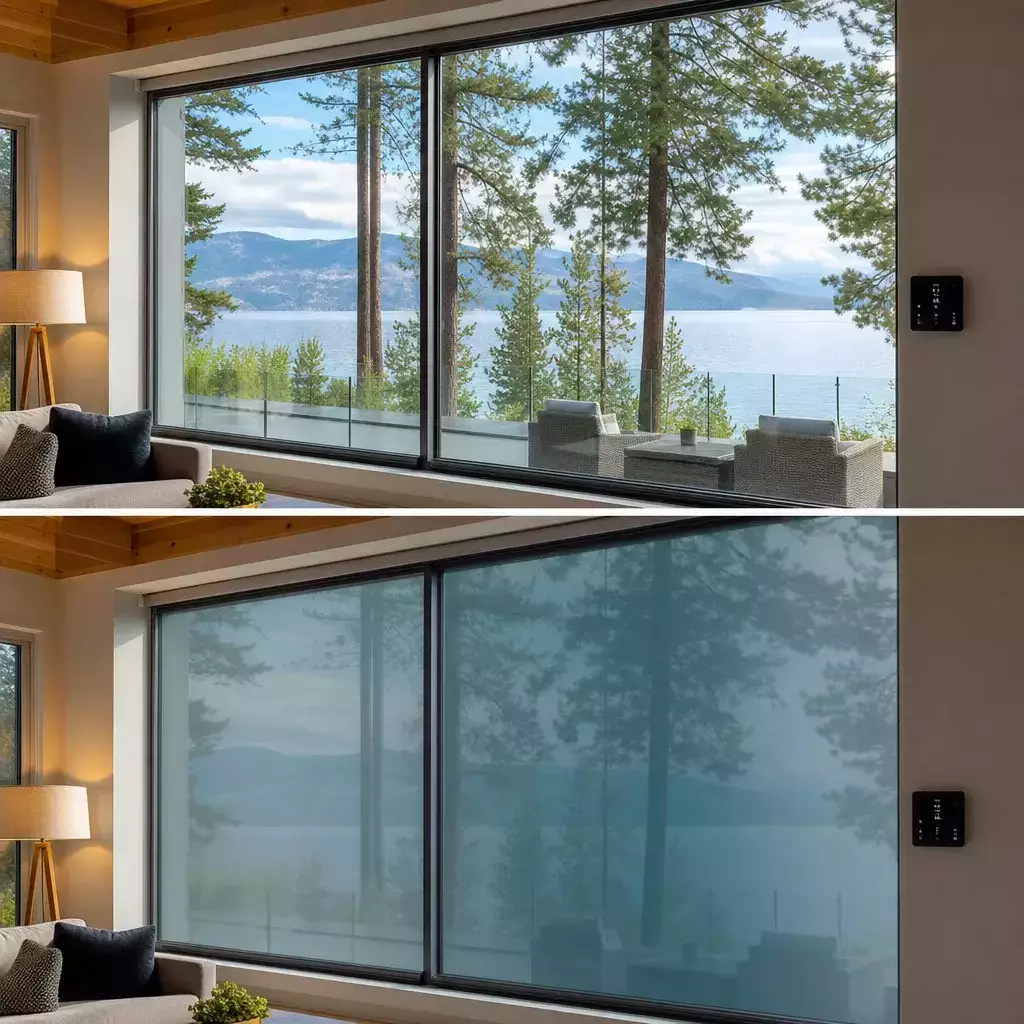
Smart windows, also known as electrochromic or switchable glass, typically cost between $50 and $150 per square foot installed, making them significantly more expensive than traditional vinyl or aluminum windows. These advanced glazing systems allow homeowners to control light transmission and privacy at the touch of a button, offering superior energy efficiency and modern aesthetics. While the initial investment is substantial, smart glass technology can reduce heating and cooling costs by up to 20% annually and eliminate the need for window treatments, potentially offsetting the premium over time.
What Are the Upfront Costs of Smart Glass Windows?
The price of smart windows varies dramatically based on technology type, window size, and installation complexity. Understanding these cost factors helps homeowners make informed decisions when planning window replacement projects.
| Smart Glass Type | Material Cost per Sq. Ft. | Installed Cost per Sq. Ft. | Best For |
|---|---|---|---|
| Electrochromic (ENERGY STAR™ certified) | $60–$100 | $100–$150 | Energy-conscious homes |
| SPD (Suspended Particle Device) | $50–$80 | $80–$120 | Instant privacy control |
| Thermochromic (Passive) | $40–$70 | $70–$110 | Budget-conscious upgrades |
| PDLC (Polymer Dispersed Liquid Crystal) | $70–$120 | $110–$170 | Premium applications |
Standard vinyl windows cost between $200 and $880 per unit installed, while smart glass alternatives can reach $2,000 to $5,000 for a single large window. The technology requires specialized installation and electrical integration, adding $500 to $1,500 in labour costs beyond traditional window installation.
Window and Doors Replacement Near Me
How Do Smart Window Costs Compare by Technology Type?
Different smart glass technologies offer distinct advantages and price points. Selecting the right system depends on your priorities for energy savings, privacy, and automation.
Electrochromic Smart Glass
Cost: $100–$150 per square foot installed
Electrochromic windows use a low-voltage electrical current to change tint levels gradually. This technology offers the most precise control over light transmission and heat gain. According to the Natural Resources Canada energy efficiency program, electrochromic glazing can achieve U-factors as low as 0.19, making them ideal for Canadian climates. These units integrate seamlessly with home automation systems and qualify for energy rebate programs.
SPD Smart Glass
Cost: $80–$120 per square foot installed
Suspended Particle Device technology switches from opaque to clear in under three seconds, making it perfect for privacy applications. SPD windows consume minimal power when activated and work well in bathroom installations or street-facing rooms. The rapid response time appeals to homeowners who want instant control without mechanical blinds.
Thermochromic Glass
Cost: $70–$110 per square foot installed
Thermochromic windows automatically darken in response to temperature changes without requiring electrical power. This passive technology offers the lowest operating costs but provides no manual control. Best suited for south-facing windows where automatic solar heat management reduces cooling loads during summer months.
PDLC Smart Glass
Cost: $110–$170 per square foot installed
Polymer Dispersed Liquid Crystal technology creates instant privacy by scattering light when power is off. PDLC windows appear frosted in their default state and become transparent when activated. This premium option works exceptionally well in modern designs and enclosed porch applications where privacy flexibility matters most.
“Smart glass technology represents the future of residential fenestration, but homeowners need realistic expectations about payback periods. In most Canadian homes, the energy savings alone won’t justify the premium within a typical 15-year window lifespan. The real value comes from combining energy efficiency with lifestyle benefits like automated shading and enhanced privacy.” — Vitaly Shapiro, Vice President of Sales
What Factors Affect Smart Window Pricing?
Several variables influence the final cost when you calculate window replacement expenses. Understanding these factors helps you budget accurately for smart glass installations.
- Window dimensions: Larger glass units require more expensive smart film and specialized handling, with costs increasing exponentially beyond standard sizes
- Frame material: Smart glass pairs with vinyl, aluminum, or fiberglass frames, each carrying different price points and thermal performance characteristics
- Glazing configuration: Triple-pane construction with smart technology costs 30–50% more than double-pane alternatives but delivers superior insulation
- Control systems: Basic wall switches cost $100–$300, while smart home integration with voice control and automation adds $500–$1,500
- Quantity discounts: Installing smart windows throughout an entire home reduces per-unit costs by 15–25% compared to single-window replacements
- Structural modifications: Enlarging openings or adding structural support increases labour costs by $800–$2,500 per opening
- Electrical work: Running new circuits and installing transformers for smart glass systems adds $400–$1,200 to installation costs
| Window Size | Standard Vinyl | Smart Glass (Electrochromic) | Price Difference |
|---|---|---|---|
| Small (24″ × 36″) | $220–$350 | $600–$900 | +173% |
| Medium (36″ × 60″) | $380–$600 | $1,500–$2,250 | +295% |
| Large (60″ × 72″) | $620–$980 | $3,000–$4,500 | +384% |
| Picture Window (72″ × 96″) | $2,560–$4,000 | $6,900–$10,400 | +170% |
Explore energy-efficient options
How Can You Reduce Smart Window Investment Costs?
Strategic planning and smart purchasing decisions can significantly lower the financial barrier to smart glass technology without compromising quality or performance.
1. Prioritize High-Impact Locations
Install smart windows only in rooms with maximum sun exposure or privacy concerns. Focus on west-facing windows and street-facing bedrooms while using standard energy-efficient windows elsewhere. This selective approach delivers 60–70% of the total energy savings at 30–40% of the cost.
2. Combine with Renovation Projects
Schedule smart window installation during whole-home renovations or exterior door replacement projects. Contractors already on-site for other work charge reduced mobilization fees, and electrical upgrades can serve multiple purposes. Coordinating trades saves 15–20% on total installation costs.
3. Consider Retrofit Smart Film
Aftermarket smart film applied to existing glass costs $25–$50 per square foot installed, offering 50–70% savings compared to complete window replacement. While less durable than factory-integrated smart glass, retrofit films work well for homeowners testing the technology or working within tight budgets.
4. Maximize Available Incentives
Smart windows with ENERGY STAR™ certification qualify for federal and provincial energy rebates. The Canada Greener Homes Grant provides up to $5,000 for qualifying energy efficiency upgrades. Combine manufacturer rebates, utility incentives, and government programs to recover 15–25% of installation costs.
5. Choose Standard Sizes and Shapes
Custom-sized smart glass carries premium pricing due to specialized manufacturing. Selecting standard window dimensions reduces material costs by 20–30%. Rectangular casement or picture windows cost significantly less than curved or specialty shapes.
“I’ve worked with homeowners who achieved excellent results by installing smart glass strategically in three or four key locations rather than throughout the entire house. A smart bay window in the living room and electrochromic glass in the primary bedroom often provides more practical value than full-home installation at a fraction of the investment.” — Daniel Klein, Project Manager
Find the Best Window Styles for your Home
What Are the Long-Term Financial Benefits?
Beyond the substantial upfront investment, smart windows deliver ongoing value through energy savings, reduced maintenance, and enhanced property value.
Energy Cost Reduction
Electrochromic smart glass reduces HVAC energy consumption by 15–25% annually in typical Canadian homes. A house spending $2,400 yearly on heating and cooling saves $360–$600 with optimized smart window control. Over 20 years, cumulative savings reach $7,200–$12,000 before accounting for energy price inflation.
Eliminated Window Treatment Costs
Smart glass eliminates the need for blinds, shades, or curtains, saving $150–$500 per window in materials and installation. Motorized window coverings cost $300–$800 per unit, making smart glass competitive when comparing total system costs for privacy and light control.
Extended HVAC Equipment Life
Reduced solar heat gain and more stable indoor temperatures decrease air conditioning runtime by 20–30%. This lighter workload extends HVAC system lifespan by 2–4 years, delaying replacement costs of $5,000–$8,000 for central air systems.
Property Value Enhancement
Homes with smart glass technology appeal to tech-savvy buyers and command 2–4% premiums in competitive real estate markets. On a $750,000 home, this translates to $15,000–$30,000 in additional resale value, though actual returns vary by neighbourhood and buyer preferences.
Best window companies reviews
How Do Smart Windows Compare to Alternative Solutions?
Evaluating smart glass against other window technologies and shading solutions provides important context for investment decisions.
Smart Glass vs. Low-E Windows
Low-E coated windows cost $270–$640 installed for standard sizes and block 70% of UV radiation passively. While they lack controllability, Low-E windows deliver 80% of smart glass energy savings at 15–20% of the cost. Combining Low-E glazing with automated shades provides similar functionality at lower initial investment.
Smart Glass vs. Motorized Window Treatments
Automated cellular shades cost $200–$600 per window installed and integrate with smart home systems. They offer excellent insulation when closed but require maintenance and eventual replacement. Smart glass provides cleaner aesthetics and unobstructed views while maintaining light control and privacy.
Smart Glass vs. Triple-Pane Windows
Standard triple-pane windows cost $560–$1,630 installed and achieve U-factors of 0.17–0.20 through passive insulation. They outperform smart glass in extreme cold but lack dynamic solar control. The optimal solution often combines triple-pane construction with smart glass technology for maximum performance.
What Should Canadian Homeowners Consider Before Buying?
Several practical factors influence whether smart windows make sense for your specific situation and climate zone.
- Climate zone impact: Smart glass delivers maximum value in regions with high cooling loads and significant solar gain. Southern Ontario homes see faster payback than northern properties where heating dominates energy use.
- Window orientation analysis: South and west-facing windows benefit most from dynamic tinting, while north-facing windows rarely justify the premium. Conduct a room-by-room assessment before committing to full-home installation.
- Technology maturity: Smart glass systems have 15–20 year lifespans, but the technology continues evolving rapidly. Early adopters may face obsolescence issues with control systems and replacement parts availability.
- Maintenance requirements: Electrochromic windows require occasional software updates and electrical system checks. Budget $100–$200 annually for professional maintenance to ensure optimal performance.
- Power consumption: Active smart glass systems draw 3–8 watts per square meter when tinting. While minimal, this continuous power draw partially offsets energy savings compared to passive technologies.
Is Smart Glass Technology Worth the Premium?
The financial case for smart windows depends heavily on individual circumstances, priorities, and timeframes. Homeowners planning to stay in their property for 15+ years in high-solar-gain locations see the strongest return on investment. The technology makes particular sense when replacing old windows that already need updating, as the incremental cost over premium conventional windows narrows to 40–60%.
For new construction or whole-home renovations where window specifications are still flexible, smart glass provides compelling lifestyle benefits beyond pure financial returns. The convenience of automated light control, enhanced privacy without mechanical treatments, and reduced glare create daily quality-of-life improvements that traditional cost-benefit analyses don’t fully capture.
Homeowners with shorter timelines, limited budgets, or properties in heavily shaded locations should consider high-performance conventional windows paired with smart shading solutions. This approach delivers 70–80% of the energy benefits at 20–30% of the cost, providing better near-term value.
Working with experienced window professionals helps identify the optimal balance between technology, performance, and budget. Total Home Windows and Doors offers comprehensive assessments that evaluate your specific property characteristics, energy usage patterns, and aesthetic preferences to determine whether smart glass technology aligns with your renovation goals and financial expectations.
Frequently Asked Questions (FAQ)
How long do smart windows last compared to regular windows?
Smart windows typically last 15–20 years with proper maintenance, similar to quality conventional windows. The electronic components may require service or replacement before the glass and frames need updating.
Can smart glass be retrofitted to existing windows?
Aftermarket smart film can be applied to existing glass for $25–$50 per square foot. However, factory-integrated smart glass in new window units offers superior durability and performance compared to retrofit applications.
Do smart windows work during power outages?
Most electrochromic windows default to a partially tinted state during power loss, maintaining some solar control. Battery backup systems cost $300–$800 and preserve full functionality during outages lasting several hours.
What maintenance do smart windows require?
Smart windows need standard glass cleaning plus occasional software updates and electrical connection checks. Annual professional inspections cost $100–$200 and help identify issues before they affect performance or warranty coverage.
Are smart windows eligible for energy rebates in Canada?
ENERGY STAR™ certified smart windows qualify for federal Canada Greener Homes grants up to $5,000 and various provincial incentives. Eligibility requires professional energy audits and certified installation by qualified contractors.