

Opening a garage door manually becomes necessary during power outages, mechanical failures, or emergency situations when the automatic opener stops working. The process involves locating the emergency release cord, pulling it to disengage the trolley from the opener carriage, and lifting the door with both hands using proper technique. This straightforward procedure takes roughly three to five minutes and requires no special tools, though understanding your specific door type and following safety protocols ensures you won’t damage the mechanism or injure yourself during the process.
Key takeaways
- Every automatic garage door has a red emergency release handle that disconnects the opener mechanism, allowing manual operation within seconds of pulling the cord downward and backward
- Never attempt to manually open a door with a broken spring, as the unbalanced weight can cause the door to crash down unexpectedly, creating serious injury risks
- Proper lifting technique requires two people for double doors and involves bending at the knees whilst gripping the door at waist height to prevent back strain
- After power restoration, re-engage the trolley by pulling the release cord toward the door and running the opener to reconnect the automatic system
- Regular maintenance of tracks, rollers, and springs prevents emergency situations and ensures smooth manual operation when needed
Window and Doors Replacement Near Me
When should you open your garage door manually?
Power outages represent the most common scenario requiring manual operation. When storms knock out electricity or circuit breakers trip, your automatic opener becomes useless until power returns. Canadian winters frequently bring ice storms and heavy snowfall that disrupt electrical service for hours or even days, making manual operation knowledge essential for accessing your vehicle.
Mechanical failures also necessitate manual opening. When the opener motor burns out, the drive chain breaks, or the wall switch malfunctions, you’ll need to bypass the automatic system entirely. Recognising strange grinding noises, unusual vibrations, or complete opener failure helps you identify when switching to manual mode becomes necessary.
Emergency situations demand immediate access regardless of power availability. Medical emergencies, fire evacuations, or security concerns require quick garage access. Understanding manual operation beforehand prevents panic and wasted time during critical moments when every second counts.
“Homeowners often discover their garage door won’t open at the worst possible moment—during a winter storm or when rushing to work,” explains Vitaly Shapiro, Vice President of Sales. “Knowing the manual release location and proper lifting technique before an emergency occurs saves considerable stress and potential injury.”
Tools and materials you’ll need
The beauty of manual garage door operation lies in its simplicity—most situations require absolutely no tools. Your hands provide all the necessary equipment for standard emergency releases.
Essential items:
- Stepladder or sturdy stool (if the emergency release cord sits too high to reach comfortably)
- Work gloves to protect hands from sharp edges and improve grip
- Torch or mobile phone light for power outage situations
- Second person for assistance with heavy double doors
Optional materials:
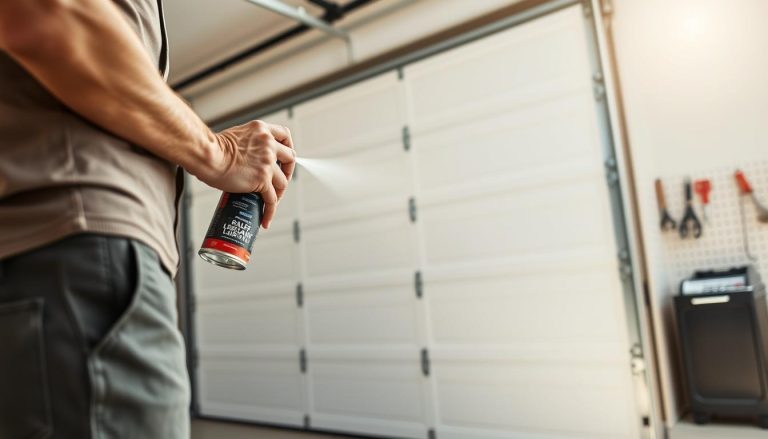
- Lubricant spray for squeaky tracks or resistant rollers
- Wooden blocks or C-clamps to secure the door in open position
- Replacement emergency release cord if the existing one has deteriorated
Safety notes
Manual garage door operation carries inherent risks that demand respect and caution. The average double garage door weighs between 60 and 180 kilograms, creating substantial crushing hazards if mishandled. Always inspect the door springs before attempting manual operation—visible gaps, separation, or broken coils indicate spring failure that makes manual lifting extremely dangerous.
Never stand or walk under a manually opened door that isn’t properly secured. The door can slam shut unexpectedly if springs fail or if someone accidentally bumps it. Children and pets should remain clear of the work area during the entire process. Proper lifting technique protects your back—bend at the knees, keep your spine straight, and lift with your legs rather than your back muscles. If the door feels extraordinarily heavy or won’t budge with reasonable effort, stop immediately and contact professional help rather than risking injury or equipment damage.
Find the Best Window Styles for your Home
Step-by-step instructions
Time required: 3-5 minutes for standard situations
Step 1: Locate the emergency release mechanism
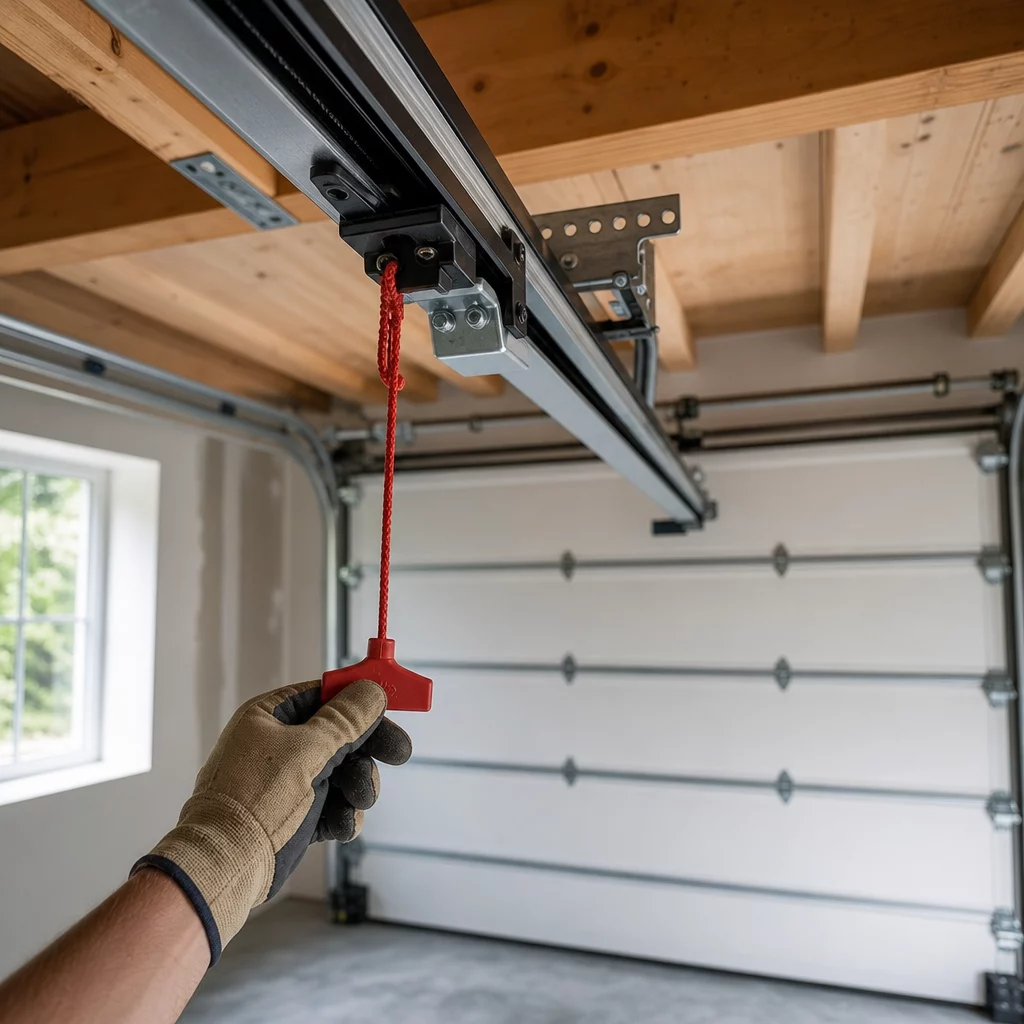
Find the red emergency release handle hanging from the centre rail of your garage door opener track. This cord typically hangs about 1.5 metres from the floor and connects to the trolley mechanism. The handle usually features bright red colouring for easy identification during emergencies. If you cannot locate it immediately, trace the opener rail from the motor unit toward the door—the release cord attaches to the carriage that moves along this track.
Step 2: Ensure the door is fully closed
Before pulling the release cord, verify the door sits completely closed against the floor. Releasing the trolley whilst the door remains partially open can cause it to crash down violently, potentially causing injury or damage. If the door stopped mid-cycle, carefully lower it to the closed position first. This step proves crucial for safety and prevents unnecessary strain on door components.
Step 3: Pull the emergency release cord
Grasp the red handle firmly and pull straight down, then slightly toward the garage door. You’ll hear a distinct click or snap as the trolley disengages from the opener carriage. The handle should move freely once disconnected. Some systems require pulling the cord at a downward angle toward the door rather than straight down—consult your opener manual if resistance occurs. The door is now completely disconnected from the automatic opener mechanism.
Step 4: Lift the door manually
Position yourself in the centre of the door, bending at the knees with feet shoulder-width apart. Grip the door handle or bottom edge with both hands at waist height. Lift smoothly using your leg muscles whilst keeping your back straight. A properly balanced door should lift with moderate effort and stay in place when released at any point. If the door feels extremely heavy or falls when released, the springs may be broken—stop immediately and seek professional repair.
Step 5: Secure the door in the open position
Once fully raised, the door should remain open on its own if springs function correctly. For added security, place C-clamps on the track just below the bottom roller on each side, or insert wooden blocks between the rollers and track. This prevents accidental closure whilst you’re working beneath the door or moving vehicles in and out. Never rely solely on the door’s balance—always use mechanical stops when working underneath.
Step 6: Re-engage the opener after use
When power returns or repairs complete, close the door manually first. Pull the emergency release cord toward the door to move the trolley into the reconnection position. Press your wall-mounted opener button or remote control—the trolley will slide along the track until it reconnects with the carriage automatically. You’ll hear a click when re-engagement occurs. Test the automatic operation several times to ensure proper reconnection before considering the job complete.
Best window companies reviews
Common mistakes to avoid
| Mistake | How to Fix It |
|---|---|
| Pulling the release cord whilst the door is open | Always close the door completely before disengaging the trolley to prevent the door from crashing down unexpectedly |
| Attempting to lift a door with broken springs | Inspect springs for gaps or breaks before lifting; call professionals if springs appear damaged as the door becomes extremely heavy and dangerous |
| Using improper lifting technique | Bend at the knees, keep your back straight, and lift with leg muscles; recruit a helper for double doors exceeding 90 kilograms |
| Forgetting to secure the door when open | Insert C-clamps or wooden blocks on the track below the bottom rollers to prevent accidental closure whilst working underneath |
| Forcing a door that won’t budge | Stop immediately if excessive force is required; frozen tracks, broken parts, or engaged locks may be preventing movement |
Cost breakdown
Manual garage door operation itself costs nothing—it’s a built-in feature of every automatic opener system. However, understanding related expenses helps you budget for potential repairs or upgrades that prevent emergency situations.
| Service/Item | DIY Cost | Professional Cost |
|---|---|---|
| Emergency release cord replacement | $8-15 | $45-75 |
| Spring replacement (pair) | $60-120 | $200-350 |
| Opener motor repair | N/A (requires expertise) | $150-400 |
| Track alignment | $0 (time only) | $125-200 |
| Complete opener replacement | $250-500 | $400-800 |
| Annual maintenance service | $25-40 (materials) | $100-175 |
Factors affecting price:
- Door size and weight (single vs double doors)
- Spring type (torsion springs cost more than extension springs)
- Opener brand and model complexity
- Geographic location and service call fees
- Urgency of repair (emergency rates exceed standard pricing)
- Additional damage from improper manual operation attempts
“Regular maintenance prevents most emergency situations entirely,” notes Eugene Siukayev, Project Manager. “Lubricating tracks twice yearly and testing door balance monthly identifies problems before they strand you outside in a snowstorm.”
DIY vs professional installation
| DIY | Professional | |
|---|---|---|
| Benefits | Immediate access during emergencies; no service call fees; simple process requiring no special skills; works with any opener brand; provides independence from repair schedules | Identifies underlying mechanical problems; ensures proper spring tension and balance; includes safety inspection of all components; provides warranty on repair work; prevents injury from improper technique |
| Risks | Potential back injury from improper lifting; door damage if springs are broken; inability to reconnect automatic system; missing signs of serious mechanical failure; temporary solution only | Higher immediate cost; waiting time for service appointments; potential upselling of unnecessary services; dependency on technician availability during emergencies |
Manual operation suits emergency access needs perfectly, but persistent opener problems demand professional diagnosis. If you find yourself manually operating your door more than once monthly, underlying issues require expert attention. Spring replacements, track realignment, and opener motor repairs exceed typical homeowner capabilities and carry significant injury risks when attempted without proper training and tools.
Consider professional service when strange noises accompany door operation, when the door feels increasingly heavy over time, or when visible damage appears on springs, cables, or rollers. These symptoms indicate deteriorating components that will eventually fail completely, potentially causing injury or property damage. Investing in professional maintenance now prevents expensive emergency repairs later whilst ensuring your family’s safety.
Understanding how to manually open your garage door provides peace of mind during power outages and mechanical failures. This essential skill takes minutes to learn but proves invaluable during emergencies when automatic systems fail. Regular testing of your manual release mechanism ensures it functions properly when needed most. Schedule a professional inspection if your door feels unbalanced or requires excessive effort to lift manually—these warning signs indicate spring or hardware problems that demand immediate attention. Total Home Windows and Doors offers comprehensive garage door services throughout Ontario, from routine maintenance to complete system replacements. Contact our team today to schedule a safety inspection and ensure your garage door operates reliably in both automatic and manual modes.
FAQ
How do I know if my garage door springs are broken?
Broken springs create visible gaps in the coil, produce loud snapping sounds when they fail, and cause the door to feel extremely heavy when lifting manually. The door may also hang crooked or refuse to stay open when raised.
Can I open my garage door manually from the outside?
Most modern doors include an external emergency release accessible through a small lock cylinder near the top panel. Insert the key, turn it, and pull to release the trolley from outside during power outages.
Why won’t my garage door stay open when I lift it manually?
A door that falls closed indicates broken or weakened springs that no longer counterbalance the door’s weight. This dangerous condition requires immediate professional spring replacement before attempting further manual operation to prevent injury.
How do I reconnect my garage door to the automatic opener?
Close the door fully, pull the release cord toward the door to position the trolley, then activate the opener using your wall button or remote. The trolley automatically reconnects when it contacts the carriage during operation.
Is it safe to manually open a garage door during winter?
Yes, but frozen tracks or accumulated ice may increase resistance. Clear visible ice from tracks and rollers first, and apply silicone-based lubricant to frozen components before attempting to lift the door manually to prevent damage.