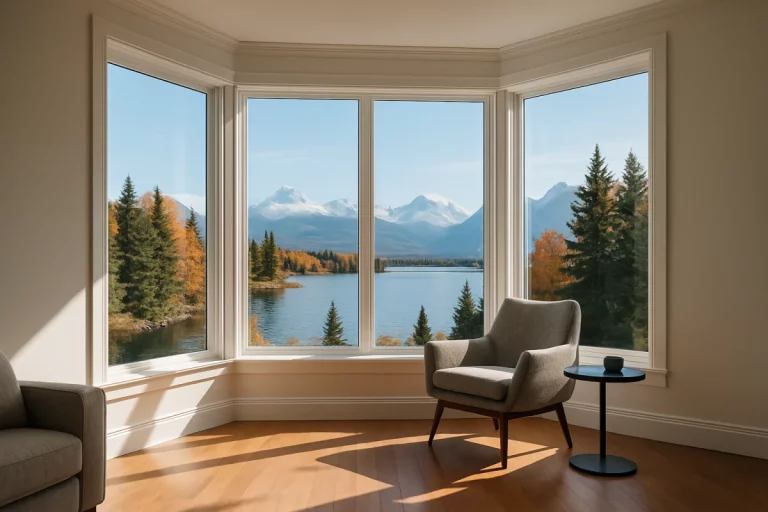


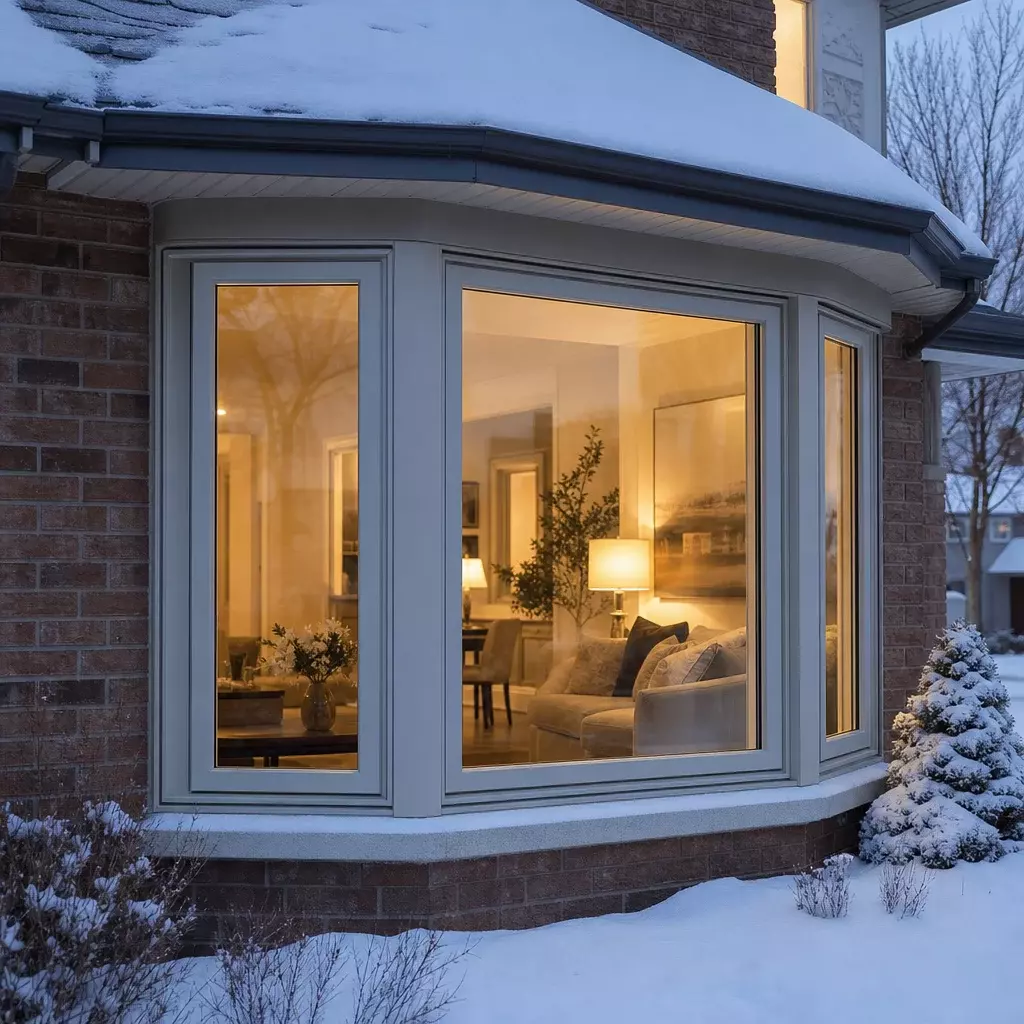
Bay windows can be highly energy efficient when properly designed and installed with modern materials and glazing technologies. These architectural features provide excellent natural light and ventilation while maintaining thermal performance comparable to standard windows. The energy efficiency of bay windows depends on factors such as frame material, glazing type, installation quality, and ENERGY STAR™ certification. When equipped with low-E coatings, multi-pane glass, and quality weatherstripping, bay windows can reduce heating and cooling costs by up to 15% compared to single-pane alternatives.
Key Takeaways
- Modern bay windows with ENERGY STAR™ certified components deliver thermal performance equal to flat windows when properly installed
- Triple-pane glazing with argon or krypton gas fill significantly improves insulation values in Canadian climates
- Vinyl and fibreglass frames outperform traditional wood or aluminium in preventing thermal bridging
- Professional installation with proper sealing and flashing prevents air leakage that compromises efficiency
- Bay window angles and projections create passive solar heating opportunities when oriented correctly
Window and Doors Replacement Near Me
What Makes Bay Windows Energy Efficient?
The energy performance of bay windows stems from several technical factors working together. Frame material plays a critical role in preventing heat transfer. Vinyl and fibreglass frames contain insulating air chambers that block thermal bridging far better than traditional materials.
Glazing technology has transformed bay window efficiency dramatically over the past two decades. Modern units feature double or triple-pane glass with low-emissivity coatings that reflect infrared heat back into your home during winter. The space between panes gets filled with argon gas, which insulates 30% better than regular air.
“The projection angle of bay windows actually creates a thermal advantage when facing south. The angled glass captures more winter sunlight for passive heating while the overhang provides natural summer shading. We’ve measured temperature differences of 3-4 degrees in rooms with properly oriented bay windows,” says Eugene Siukayev, Project Manager at Total Home Windows and Doors.
Find related services
How Do Bay Windows Compare to Standard Windows for Energy Performance?
Bay windows and flat windows achieve similar energy ratings when built with identical components. The Natural Resources Canada ENERGY STAR certification program sets the same thermal performance standards regardless of window style. Both must meet specific U-factor and solar heat gain coefficient requirements for Canadian climate zones.
The main difference lies in installation complexity. Bay windows require more precise flashing and sealing due to their projection from the wall plane. Poor installation creates air leakage points that compromise efficiency. Professional installation services ensure proper weatherproofing around all joints and connections.
| Performance Factor | Bay Windows | Standard Windows |
|---|---|---|
| U-Factor Range | 0.20 – 0.30 | 0.20 – 0.28 |
| Solar Heat Gain | 0.25 – 0.40 | 0.25 – 0.35 |
| Air Leakage Risk | Higher (if poorly installed) | Lower |
| Passive Solar Potential | Excellent (south-facing) | Good |
Explore energy-efficient options
Which Frame Materials Provide the Best Insulation for Bay Windows?
Frame material selection dramatically impacts bay window energy performance. Each material offers distinct thermal properties that affect heat transfer and structural integrity over decades of Canadian weather exposure.
Vinyl windows dominate the energy-efficient market due to multi-chamber frame construction. These hollow chambers trap air and create thermal breaks that prevent heat flow. Vinyl doesn’t conduct temperature like metal, maintaining consistent interior surface temperatures that reduce condensation.
Fibreglass frames offer superior strength-to-insulation ratios. The material expands and contracts at rates similar to glass, reducing seal stress during temperature fluctuations. Fibreglass construction allows for thinner profiles without sacrificing structural performance.
Wood frames provide natural insulation but require maintenance to prevent moisture damage. Aluminium frames need thermal breaks to prevent significant heat loss. Modern aluminium windows incorporate polyamide strips between interior and exterior sections to interrupt thermal pathways.
Find the Best Window Styles for your Home
What Glazing Options Maximize Bay Window Efficiency?
Glass selection determines how much heat passes through your bay windows. The right combination of panes, coatings, and gas fills creates a thermal barrier while maintaining clarity and light transmission.
Triple-pane windows deliver the highest insulation values available for residential applications. The additional glass layer and extra gas-filled space reduce U-factors to 0.18-0.22, ideal for Canadian winters. The weight requires reinforced frames and hardware, but the energy savings justify the investment in northern climates.
Low-E coatings consist of microscopic metallic layers that reflect heat while allowing visible light through. Multiple coating variations target different performance goals. Northern climate coatings maximize solar heat gain during winter, while southern versions block summer heat.
- Select double-pane minimum for moderate climates, triple-pane for zones with extended winters below -15°C
- Choose low-E coatings matched to your climate zone and window orientation
- Specify argon gas fill for double-pane units, krypton for triple-pane where pane spacing is tighter
- Request warm-edge spacers that reduce heat transfer at glass edges by 10-15%
- Verify ENERGY STAR™ certification for your specific Canadian climate zone
“We recommend triple-pane glazing for all bay window installations in the Greater Toronto Area. The upfront cost adds approximately 15-20% to the window price, but homeowners recover that investment through reduced heating bills within 7-9 years. The comfort improvement is immediate—no cold drafts near the windows even during January cold snaps,” explains Vitaly Shapiro, Vice President of Sales at Total Home Windows and Doors.
Best window companies reviews
How Does Proper Installation Affect Bay Window Energy Performance?
Even the most advanced bay window loses efficiency when improperly installed. Air leakage around the frame accounts for 25-30% of window-related heat loss in homes. Professional installation addresses critical details that DIY approaches often miss.
The projection of bay windows creates complex flashing requirements. Water and air must be directed away from multiple angles and joints. Installers must seal the roof section, side panels, and base platform while maintaining proper drainage pathways.
Insulation around the bay window frame requires careful attention. Gaps between the rough opening and window frame need low-expansion foam that fills voids without distorting the frame. Over-application bows the frame and prevents proper operation. Under-application leaves thermal bridges that leak conditioned air.
The support structure beneath bay windows needs insulation equal to the surrounding wall assembly. Many installations neglect the platform area, creating a cold spot that causes condensation and discomfort. Proper insulation techniques extend from foundation to roof without gaps.
Can Bay Windows Reduce Heating and Cooling Costs?
Bay windows deliver measurable energy savings when designed for your specific climate and home orientation. South-facing installations in Canadian homes capture passive solar heat during winter months, reducing furnace run time by 10-15% on sunny days.
The extended sill area of bay windows creates natural convection patterns that distribute heat more evenly throughout the room. This eliminates cold zones near exterior walls and reduces the temperature differential that forces your heating system to cycle more frequently.
Summer cooling benefits depend on proper solar heat gain coefficient selection. Bay windows with low SHGC ratings block unwanted heat while maintaining natural light. Strategic placement of window treatments provides additional control over heat gain during peak afternoon hours.
| Bay Window Feature | Annual Energy Impact | Payback Period |
|---|---|---|
| ENERGY STAR™ Certification | 12-18% heating cost reduction | 8-12 years |
| Triple-Pane Upgrade | Additional 5-8% savings | 7-10 years |
| Professional Installation | Prevents 15-25% efficiency loss | Immediate |
| Low-E Coating | 10-15% reduction in heat transfer | 5-7 years |
What Maintenance Keeps Bay Windows Operating Efficiently?
Regular maintenance preserves the energy performance of bay windows throughout their 20-30 year lifespan. Weatherstripping and seals deteriorate over time, creating air leakage paths that waste energy and reduce comfort.
Inspect weatherstripping annually for compression, cracking, or gaps. Replace damaged sections immediately to maintain the air seal. Check the condition of caulking around exterior trim and where the bay window meets the siding. Deteriorated caulk allows water infiltration that damages insulation and framing.
- Clean weep holes in the bottom track to ensure proper drainage and prevent water accumulation
- Lubricate hinges and operators on operable sections to maintain proper closure and seal compression
- Inspect glass seals for fog or moisture between panes indicating seal failure
- Check interior condensation patterns that signal air leakage or inadequate ventilation
- Verify that locks engage fully to compress weatherstripping and maintain the air seal
How Do Bay Windows Perform in Canadian Winter Conditions?
Canadian winters test window performance with sustained cold temperatures, high winds, and significant indoor-outdoor temperature differentials. Modern bay windows engineered for northern climates handle these conditions without excessive heat loss or condensation issues.
The TotalSeal Multi-Point Locking System used in quality bay windows creates compression at multiple points along the sash perimeter. This maintains consistent seal pressure even when frames contract during extreme cold. Single-point locks allow frame sections to pull away from weatherstripping, creating air leakage paths.
Condensation resistance depends on interior glass surface temperature. Energy-efficient windows with warm-edge spacers and quality frames maintain interior glass temperatures above the dew point even when outdoor temperatures drop below -20°C. This prevents frost buildup and moisture damage to surrounding finishes.
Wind-driven air infiltration increases dramatically during winter storms. Bay windows face higher wind loads due to their projection from the wall plane. Proper structural anchoring and continuous air sealing prevent whistling, drafts, and heat loss during high-wind events.
Are There Energy Rebates Available for Bay Window Replacement?
Provincial and federal programs offer financial incentives for upgrading to energy-efficient windows. The Canada Greener Homes Grant provides up to $5,000 for eligible home energy improvements, including ENERGY STAR™ certified window replacements.
Ontario residents can access additional provincial rebates through utility companies and municipal programs. Requirements vary by region, but most programs mandate minimum efficiency ratings and professional installation. Check current rebate programs before starting your project to ensure compliance with application requirements.
Documentation requirements typically include product certification labels, detailed invoices, and proof of professional installation. Pre-approval may be necessary for some programs. Working with experienced installers familiar with rebate requirements streamlines the application process and ensures you receive maximum benefits.
What Should You Look for When Buying Energy-Efficient Bay Windows?
Selecting bay windows requires evaluating multiple performance specifications and quality indicators. Start with ENERGY STAR™ certification appropriate for your climate zone. Canada has four zones with different performance requirements reflecting regional climate variations.
- Verify U-factor ratings of 0.25 or lower for optimal winter performance in central and northern Canada
- Check solar heat gain coefficient between 0.25-0.40 depending on window orientation and shading preferences
- Confirm air leakage ratings below 0.15 L/s/m² at 75 Pa pressure differential
- Request manufacturer warranty covering glass seal failure, typically 20 years for quality products
- Examine frame construction for multi-chamber design and reinforcement at stress points
Company reputation and installation expertise matter as much as product specifications. Research customer reviews and industry ratings before committing to a supplier. Total Home Windows and Doors maintains BBB accreditation with an A+ rating, Google rating of 4.9, and Homestars rating of 5.0, reflecting consistent quality and customer satisfaction.
Request detailed quotes that specify all components including glass type, gas fill, spacer material, and hardware quality. Vague descriptions often hide inferior components that compromise long-term performance. Compare specifications across multiple quotes to identify the best value for your investment.
How Do Different Bay Window Styles Affect Energy Efficiency?
Bay window configurations range from traditional three-panel designs to custom multi-panel arrangements. Each style presents distinct thermal challenges and opportunities. The classic three-panel bay features a large centre picture window flanked by smaller operable units, typically casement windows or double-hung windows.
Fixed centre panels eliminate air leakage concerns associated with operable sections. The sealed unit maintains consistent thermal performance without the compression seal challenges of moving sashes. Side casement windows provide ventilation while maintaining good energy performance when properly weatherstripped and locked.
Projection angle affects both thermal performance and structural requirements. Steeper angles (closer to 90 degrees) create more interior space but increase wall penetration complexity. Shallower angles (30-45 degrees) simplify installation and reduce exposed surface area while still providing architectural interest and enhanced views.
Custom bay window designs with four or five panels increase glass area and potential heat loss. Each additional joint creates another potential air leakage point requiring careful sealing. The aesthetic appeal must be balanced against thermal performance requirements and budget constraints.
What Role Does Window Orientation Play in Bay Window Efficiency?
Compass orientation determines how much solar energy your bay windows collect or block throughout the year. South-facing installations in the Northern Hemisphere receive maximum winter sun exposure, providing free heating during the coldest months. The angled glass panels capture sunlight across a wider portion of the day compared to flat windows.
North-facing bay windows prioritize insulation over solar gain. These installations benefit most from triple-pane glass and low U-factors since they receive minimal direct sunlight. The focus shifts entirely to preventing heat loss rather than managing solar heat gain.
East and west orientations require careful solar heat gain coefficient selection. Morning sun from east-facing windows provides welcome warmth during winter but can cause overheating in summer. West-facing units face intense afternoon sun that drives up cooling costs without proper shading or low-SHGC glazing.
Total Home Windows and Doors provides consultation services to optimize bay window specifications for your specific home orientation. Our team analyzes sun paths, shading from nearby structures, and seasonal heating and cooling patterns to recommend the ideal combination of glazing and frame options.
Investing in properly specified and professionally installed bay windows transforms both the appearance and energy performance of your home. Modern materials and glazing technologies have eliminated the efficiency concerns that plagued older bay window designs. When you choose ENERGY STAR™ certified products with appropriate specifications for Canadian climates, bay windows deliver thermal performance equal to standard windows while providing enhanced natural light, ventilation, and architectural character. Working with experienced professionals ensures proper installation that maintains factory performance ratings and provides decades of comfortable, efficient service. The combination of reduced energy costs, improved comfort, and increased home value makes energy-efficient bay windows a sound investment for Canadian homeowners.
Frequently Asked Questions (FAQ)
Do bay windows lose more heat than regular windows?
Modern bay windows with ENERGY STAR™ certification and proper installation lose no more heat than standard windows. Triple-pane glazing, low-E coatings, and quality frames provide equivalent thermal performance to flat window designs when professionally installed.
How much do energy-efficient bay windows cost in Canada?
Energy-efficient bay windows in Canada typically cost $2,500-$6,000 installed, depending on size, glazing options, and frame material. Triple-pane units with vinyl frames represent the best value for northern climates, balancing performance and affordability.
Can I replace old bay windows with more efficient models?
Yes, window replacement specialists can retrofit modern energy-efficient bay windows into existing openings. Professional installation ensures proper sealing, insulation, and structural support while upgrading thermal performance significantly compared to older single-pane units.
What is the best glass option for bay windows in cold climates?
Triple-pane glass with low-E coating and argon or krypton gas fill provides optimal performance for Canadian winters. This combination achieves U-factors of 0.18-0.22, minimizing heat loss while maintaining clarity and allowing beneficial solar heat gain.
How long do energy-efficient bay windows last?
Quality energy-efficient bay windows last 20-30 years with proper maintenance. Vinyl and fibreglass frames resist weathering better than wood or aluminium. Glass seal warranties typically cover 20 years, protecting against fog or moisture between panes.