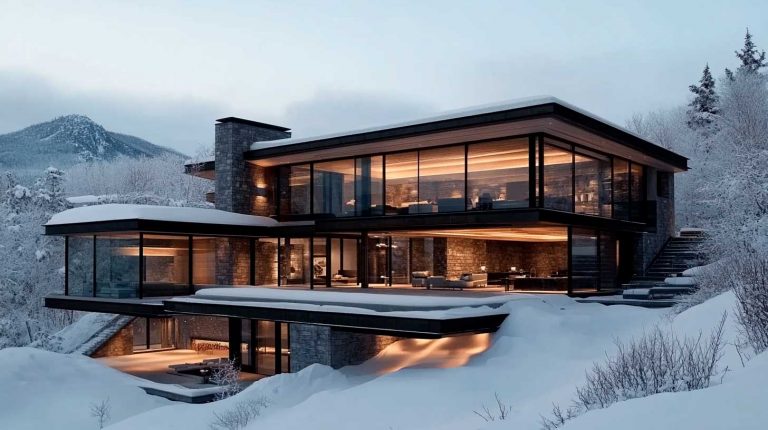


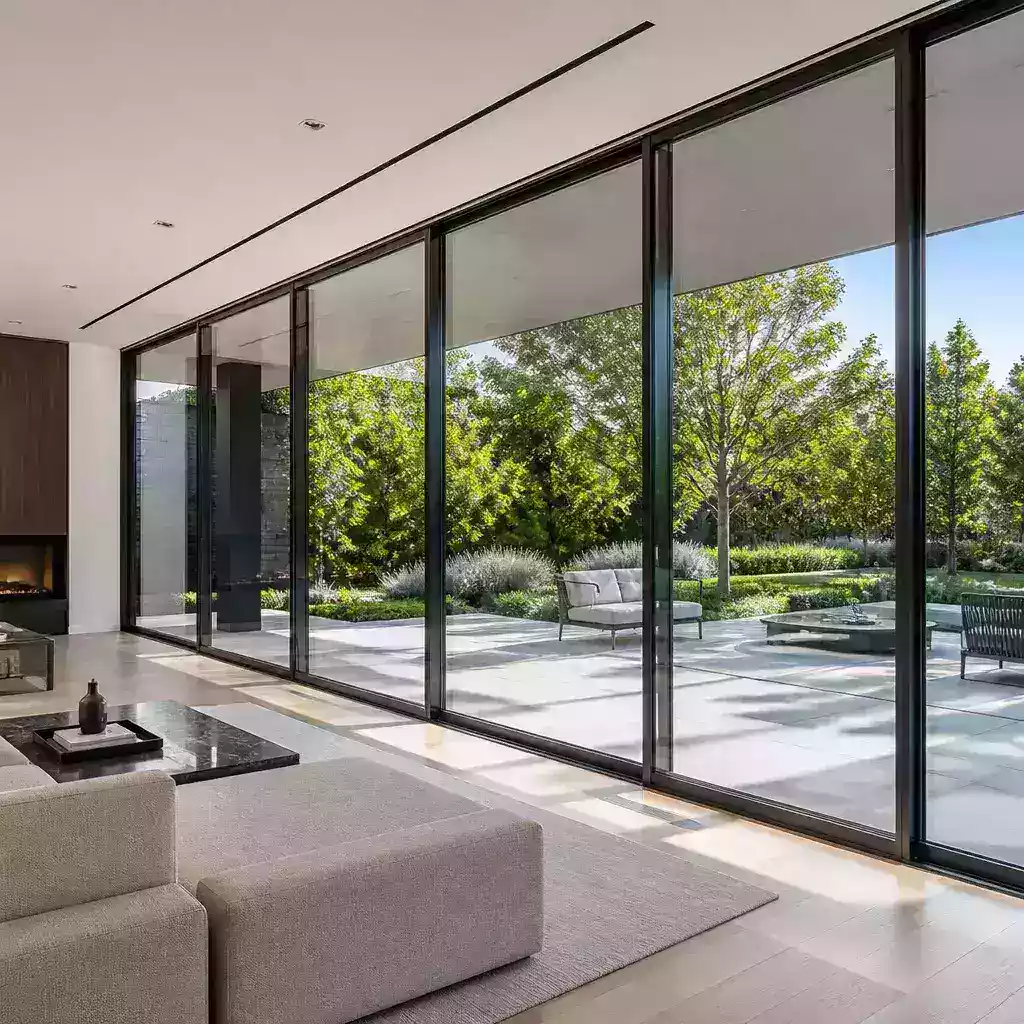
Window wall systems are large-scale glazing installations where glass panels span from floor to ceiling, typically separated by minimal structural framing. Unlike traditional punched windows, these systems maximize natural light penetration while creating seamless indoor-outdoor visual connections. For Canadian homeowners considering modern renovations or new construction, window wall systems deliver exceptional architectural appeal, enhanced energy performance with ENERGY STAR™ certified glazing options, and customizable configurations that suit various design preferences and climate requirements.
Key Takeaways
- Window walls maximize natural light and create dramatic visual connections between interior and exterior spaces
- Thermal performance depends heavily on glazing selection, with triple-pane and Low-E options essential for Canadian climates
- Installation costs range from $150-$400 per square foot depending on frame material, glazing type, and system complexity
- Aluminum and vinyl frames each offer distinct advantages for thermal efficiency and structural integrity
- Proper engineering and professional installation are critical to prevent air leakage and ensure long-term performance
Window and Doors Replacement Near Me
What Makes Window Wall Systems Different From Standard Windows?
Window walls function as structural curtain wall assemblies rather than individual window units. The framing system carries only the weight of the glass, while the building structure supports the loads. This fundamental difference allows for expansive glazed areas without the visual interruption of thick mullions or heavy frames.
Traditional vinyl windows are designed as punched openings within solid walls. Window walls reverse this relationship, making glass the dominant element. The continuous glass surface transforms how rooms feel, bringing abundant daylight deep into floor plans while maintaining thermal performance through advanced Low-E coating technology.
Find related services
How Do Window Wall Systems Enhance Architectural Design?
Architects favour window walls for their ability to dissolve boundaries between interior and exterior environments. The uninterrupted sightlines create a sense of spaciousness that makes rooms feel significantly larger. This quality proves particularly valuable in urban settings where outdoor space is limited but views are prized.
The slim sightlines of modern window wall systems complement contemporary architecture beautifully. Whether you’re designing a porch enclosure or planning a whole-home renovation, these systems provide clean, minimalist aesthetics that traditional window configurations cannot match. The flexibility in panel arrangement allows designers to create custom compositions that respond to specific site conditions and design intentions.
“Window wall systems transform how homeowners experience their living spaces by maximizing natural light and creating seamless transitions to outdoor areas. When properly engineered with appropriate glazing for our climate, they deliver both stunning aesthetics and excellent thermal performance.” – Vitaly Shapiro, Vice President of Sales
Explore energy-efficient options
What Glazing Options Work Best For Canadian Climates?
Glazing selection directly impacts both energy efficiency and comfort. Canadian winters demand high-performance glass assemblies that minimize heat loss while maximizing solar gain when beneficial. The most effective configurations combine multiple panes with specialized coatings and gas fills.
| Glazing Type | U-Factor | SHGC | Best Application |
|---|---|---|---|
| Double-pane with argon | 0.28-0.32 | 0.25-0.35 | Moderate climates |
| Triple-pane with argon | 0.18-0.22 | 0.20-0.30 | Cold climates |
| Triple-pane with krypton | 0.15-0.19 | 0.18-0.28 | Extreme cold |
| Low-E triple-pane | 0.16-0.20 | 0.22-0.32 | Year-round performance |
Triple-pane windows with argon gas fills represent the minimum standard for window walls in Ontario and other Canadian provinces. The additional pane reduces heat transfer substantially compared to double-glazing. For south-facing installations, balancing solar heat gain coefficient with insulation value becomes critical to prevent overheating in summer while capturing beneficial solar warmth in winter.
Find the Best Window Styles for your Home
Which Frame Materials Provide Optimal Performance?
Frame material selection affects thermal performance, structural capacity, and maintenance requirements. The two dominant options for window wall systems each offer distinct characteristics suited to different project requirements.
Aluminum windows provide superior structural strength, allowing for larger panels and wider spans. Modern thermally-broken aluminum frames incorporate insulating barriers that dramatically improve energy efficiency. The material’s durability and minimal maintenance make it ideal for commercial applications and contemporary residential designs.
Vinyl frames excel in thermal performance due to the material’s inherently low conductivity. Multi-chamber vinyl extrusions create additional insulating air spaces. While vinyl may not support the same panel sizes as aluminum, it offers excellent value for residential projects where energy efficiency is paramount. The material never requires painting and resists moisture damage effectively.
“Choosing between aluminum and vinyl frames depends on your specific project goals. Aluminum delivers unmatched structural performance for large-scale installations, while vinyl provides superior insulation for smaller configurations. We help homeowners evaluate their priorities to select the optimal system.” – Eugene Siukayev, Project Manager
Best window companies reviews
What Are The Cost Considerations For Window Wall Systems?
Window wall pricing varies significantly based on system complexity, materials, and installation requirements. Understanding the cost components helps homeowners budget appropriately and make informed decisions about specifications.
Material and Manufacturing Costs
- Frame material selection (aluminum vs. vinyl affects base pricing by 15-30%)
- Glazing specification (triple-pane adds $40-$80 per square foot over double-pane)
- Coatings and gas fills (Low-E and argon increase costs $15-$25 per square foot)
- Custom sizing and configurations (non-standard dimensions add 10-20% premium)
- Hardware and locking mechanisms (multi-point systems add $200-$400 per operable unit)
Installation Factors
- Structural modifications required to accommodate window wall openings
- Crane or lift equipment rental for large panel installation
- Weatherproofing and flashing integration with building envelope
- Interior and exterior finishing around new glazing systems
- Building permit fees and required inspections
Total installed costs typically range from $150-$400 per square foot for residential window wall systems. A modest 10-foot by 8-foot installation might cost $12,000-$32,000 depending on specifications. Larger installations benefit from economies of scale, potentially reducing the per-square-foot cost. When comparing to standard window replacement, window walls represent a premium investment justified by their transformative architectural impact.
How Do Window Walls Perform In Energy Efficiency?
Thermal performance depends on the complete system rather than individual components. The frame, glazing, spacers, and installation quality all contribute to overall energy efficiency. Properly specified window walls can achieve ENERGY STAR™ certification, meeting rigorous performance standards for Canadian climate zones.
The U-factor measurement indicates how well the assembly prevents heat loss. Lower values mean better insulation. Canadian climates typically require U-factors below 0.25 for optimal performance. The Natural Resources Canada ENERGY STAR program provides specific criteria for different regions across the country.
| Performance Factor | Standard Windows | Window Wall Systems | Impact |
|---|---|---|---|
| Air Leakage | 1.5 L/s/m² | 0.5 L/s/m² | Better airtightness |
| Visible Light Transmission | 45-60% | 60-75% | More natural light |
| Thermal Bridging | Moderate | Minimized with thermal breaks | Reduced heat loss |
| Condensation Resistance | 45-55 | 55-70 | Better moisture control |
Energy-efficient windows reduce heating costs by 10-25% annually compared to standard double-pane units. Window walls amplify these savings when specified with high-performance glazing. The increased daylight penetration also reduces artificial lighting needs during daytime hours, contributing additional energy savings.
What Installation Requirements Ensure Proper Performance?
Professional installation is non-negotiable for window wall systems. The large glass areas and structural integration require expertise that goes beyond typical window replacement skills. Improper installation compromises both performance and safety.
Structural assessment comes first. Engineers must verify that the building can support the modified loads and that adequate header capacity exists. Many installations require structural reinforcement, particularly when removing load-bearing walls to accommodate expansive glazing. This engineering work typically costs $1,500-$5,000 depending on complexity.
Critical Installation Steps
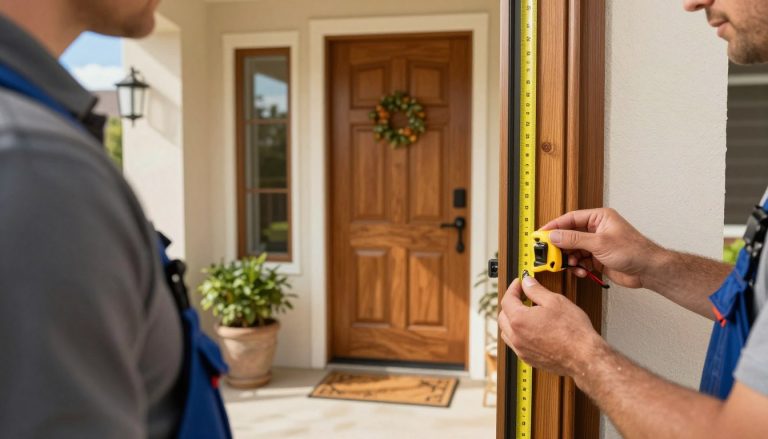
- Precise rough opening preparation with proper dimensions and squareness
- Continuous air barrier integration to prevent infiltration
- Proper flashing installation following building science best practices
- Thermal break continuity to eliminate cold bridging
- Multi-point locking system installation for operable sections
- Sealant application at all joints using appropriate materials
- Final adjustment and testing of all moving components
The installation process typically requires 2-5 days depending on system size. Weather protection during installation prevents moisture intrusion that could compromise the building envelope. Experienced installers use specialized equipment to handle large, heavy glass panels safely.
Can Window Walls Accommodate Operable Sections?
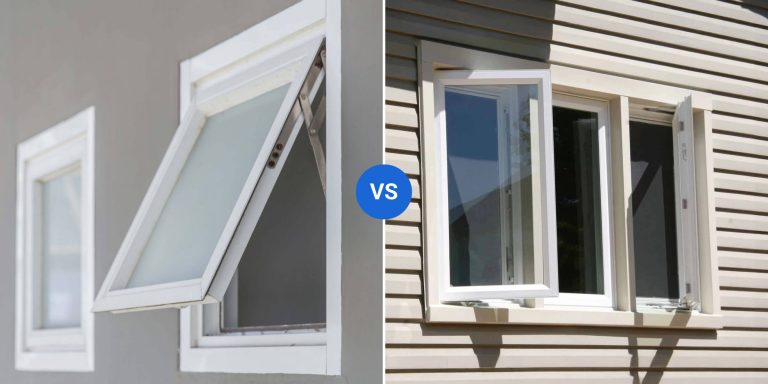
Modern window wall systems easily integrate operable units for ventilation. The most common configurations include casement windows, sliding panels, and tilt-and-turn windows within the overall glazed assembly. Strategic placement of operable sections provides natural ventilation while maintaining the clean aesthetic of the window wall.
Operable units typically cost 40-60% more than fixed glazing of equivalent size. The additional expense covers hardware, weatherstripping, and the more complex frame construction required for moving panels. However, the ventilation benefits and emergency egress capabilities often justify this investment, particularly in bedrooms where egress window requirements apply.
How Do Window Walls Handle Condensation Concerns?
Condensation management requires attention to both glass surface temperatures and interior humidity levels. High-performance glazing with warm edge spacers keeps interior glass surfaces above the dew point, preventing moisture accumulation. The warm edge spacer technology reduces thermal bridging at the glass perimeter where condensation typically begins.
Interior humidity control becomes more critical with extensive glazing. Winter humidity levels above 35% can cause condensation even on high-performance windows when outdoor temperatures drop below -15°C. Proper HVAC system design and balanced ventilation help maintain appropriate moisture levels. Some homeowners install dedicated dehumidification equipment to prevent condensation issues.
What Maintenance Do Window Wall Systems Require?
Maintenance requirements remain minimal with quality window wall systems. The large glass surfaces require regular cleaning to maintain clarity and views. Professional window cleaning services can handle exterior surfaces safely, particularly on upper floors where access is challenging.
Annual Maintenance Checklist
- Clean glass surfaces inside and out using appropriate products
- Inspect weatherstripping on operable sections for wear or damage
- Check sealant joints for cracks or separation
- Lubricate hinges and locking mechanisms on moving panels
- Verify proper drainage from weep holes in frame systems
- Examine frame surfaces for signs of deterioration or damage
Vinyl frames require virtually no maintenance beyond cleaning. Aluminum frames may need periodic inspection of thermal break integrity and coating condition. The warranty coverage from reputable manufacturers typically extends 10-20 years on frames and 5-10 years on insulated glass units, providing long-term protection against defects.
Are Window Walls Suitable For All Architectural Styles?
While window walls are most commonly associated with contemporary design, thoughtful integration allows them to complement various architectural styles. Modern interpretations of traditional designs often incorporate window walls to bring natural light into spaces while respecting the overall aesthetic.
The key lies in proportions and placement. A bay window configuration with floor-to-ceiling glazing can work beautifully in transitional designs. Similarly, window walls positioned to capture specific views or bring light into interior spaces can enhance rather than clash with traditional architecture when carefully designed.
What Security Considerations Apply To Window Walls?
The extensive glazing of window walls raises legitimate security questions. Modern systems address these concerns through multiple strategies. Tempered or laminated glass provides impact resistance far superior to standard annealed glass. When broken, tempered glass crumbles into small, relatively harmless pieces rather than creating dangerous shards.
Multi-point locking systems secure operable sections at multiple points along the frame perimeter. These systems distribute force across the entire frame, making forced entry significantly more difficult. The TotalSeal Multi-Point Locking System provides enhanced security while maintaining ease of operation for homeowners.
Ground-floor installations may benefit from additional security measures. Options include laminated security glass, alarm contacts integrated into the frame, or decorative security grilles that don’t compromise aesthetics. Many homeowners find that the increased visibility from window walls actually enhances security by eliminating hiding spots near the home.
How Do Window Walls Impact Home Resale Value?
Well-executed window wall installations typically enhance property values significantly. The dramatic improvement in natural light, views, and architectural character appeals strongly to buyers seeking modern, distinctive homes. Real estate professionals consistently note that homes with exceptional natural light command premium prices.
The actual value increase depends on overall design quality and neighbourhood characteristics. In markets where contemporary architecture is valued, window walls can add 5-15% to home values. The investment in energy-efficient glazing also appeals to environmentally conscious buyers and those concerned about long-term operating costs.
Documentation of proper engineering, quality materials, and professional installation adds credibility during resale. Buyers want assurance that the window wall system will perform reliably for years to come. Transferable warranties from manufacturers like Total Home Windows and Doors provide this confidence.
What Permits And Approvals Are Required?
Window wall installations typically require building permits due to their structural implications. The permit process verifies that the design meets building code requirements for structural integrity, energy efficiency, and safety. Permit costs vary by municipality but generally range from $500-$2,000 for residential projects.
The application package usually includes architectural drawings, structural calculations, and product specifications demonstrating code compliance. Many municipalities require ENERGY STAR™ certified products for replacement window projects. The window rebate programs available in Ontario often mandate specific performance levels to qualify for incentives.
Condominium and planned community residents may need additional approvals from architectural review committees. These bodies ensure that exterior modifications align with community standards and design guidelines. Early consultation with these committees prevents delays and costly redesigns.
Window wall systems represent a significant architectural investment that transforms how homeowners experience their living spaces. The combination of abundant natural light, seamless views, and modern aesthetics creates environments that feel open, connected, and inspiring. When properly specified with appropriate glazing for Canadian climates and professionally installed by experienced teams, these systems deliver decades of reliable performance. The upfront investment in quality materials and expert installation pays dividends through enhanced comfort, reduced energy costs, and increased property values. For homeowners ready to make a bold architectural statement while improving their home’s functionality, window walls offer an unmatched solution that balances beauty with performance.
Frequently Asked Questions (FAQ)
What is the typical lifespan of a window wall system?
High-quality window wall systems last 25-40 years with proper maintenance. The frame typically outlasts the insulated glass units, which may need replacement after 15-25 years depending on glazing quality and environmental exposure.
Can window walls be installed in existing homes or only new construction?
Window walls work in both applications. Retrofit installations require structural assessment and potential reinforcement but are entirely feasible. Many homeowners successfully add window walls during major renovations to transform existing spaces.
Do window walls increase heating and cooling costs significantly?
Not when properly specified with high-performance glazing. ENERGY STAR™ certified window walls with triple-pane glass and Low-E coatings often reduce energy costs compared to older standard windows they replace.
How do window walls perform during severe weather events?
Modern window wall systems are engineered to withstand high winds, heavy snow loads, and extreme temperatures. Proper installation and appropriate glass specifications ensure reliable performance in Canadian weather conditions including severe storms.
What is the best orientation for window wall installations?
South-facing orientations maximize solar heat gain in winter while north-facing installations provide consistent natural light without overheating concerns. East and west orientations require careful glazing selection to manage intense morning or afternoon sun.