

Energy-efficient windows are absolutely worth the investment for Ontario homeowners, offering substantial long-term savings through reduced heating and cooling costs, enhanced comfort, and increased property value. Given Canada’s extreme weather conditions and rising energy prices, modern energy efficient windows typically pay for themselves within 5-7 years through utility bill reductions while providing immediate benefits like improved indoor comfort and reduced condensation issues.
Key Takeaways
- Energy-efficient windows reduce heating costs by 15-30% annually in Ontario’s climate
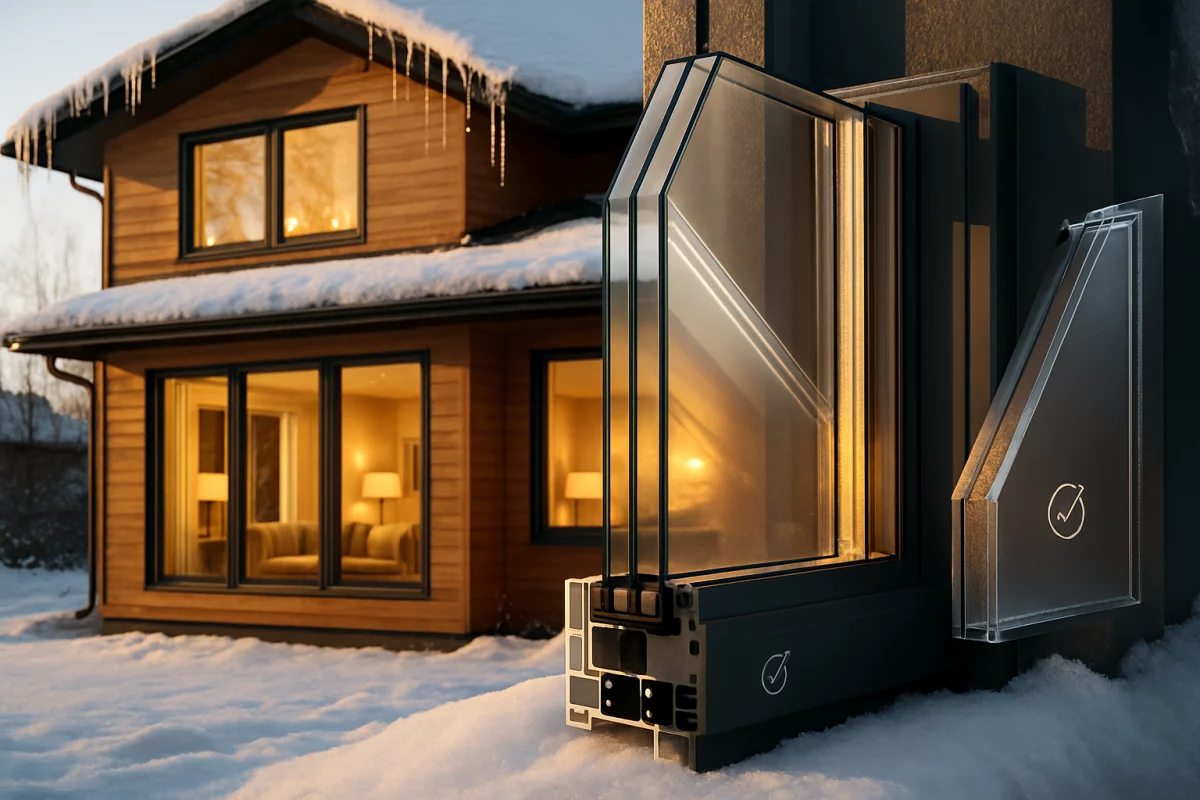
- Triple-pane windows with low-E coatings offer superior insulation compared to older single or double-pane units
- Government rebates and incentives can offset up to $5,000 of replacement costs
- Improved windows increase home resale value by 3-7% on average
- Enhanced comfort includes reduced drafts, better temperature control, and noise reduction
Window and Doors Replacement Near Me
How Much Can Energy Efficient Windows Save on Your Utility Bills?
The financial benefits of upgrading to energy-efficient windows become apparent quickly in Ontario’s harsh climate. Homeowners typically see immediate reductions in their monthly utility bills, with savings ranging from $200 to $800 annually depending on home size and existing window condition.
According to Vitaly Shapiro, Vice President of Sales, “Our clients consistently report 20-35% reductions in their heating bills after installing our ENERGY STAR certified windows. The investment becomes even more attractive when you factor in the available government rebates.”
The savings potential varies based on several factors:
| Home Size | Annual Savings Range | Payback Period |
|---|---|---|
| Under 1,500 sq ft | $200-400 | 6-8 years |
| 1,500-2,500 sq ft | $400-600 | 5-7 years |
| Over 2,500 sq ft | $600-800+ | 4-6 years |
Find related services
What Makes Windows Energy Efficient in Canada’s Climate?
Understanding the technical features that make windows energy-efficient helps homeowners make informed decisions. Modern triple pane windows incorporate multiple technologies to combat heat loss and air infiltration.
The most important energy-efficient features include:
- Multiple glass panes with insulating gas fills
- Low-emissivity (Low-E) coatings that reflect heat
- Warm-edge spacers that reduce thermal bridging
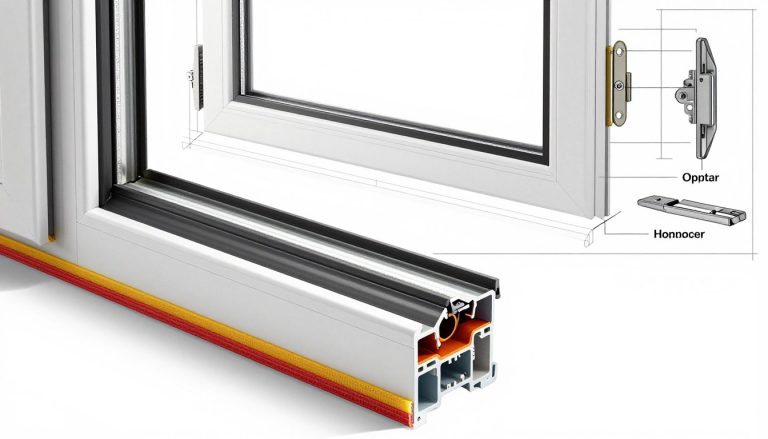
- Quality frames with thermal breaks
- Professional installation with proper sealing
Eugene Siukayev, Project Manager, explains: “The combination of argon gas filling and Low-E coatings can improve a window’s insulation value by up to 50% compared to standard double-pane units. This translates directly to lower energy bills for our customers.”
When evaluating window efficiency, focus on the U-factor and Energy Rating (ER) values. Lower U-factors indicate better insulation, while higher ER values show superior overall energy performance for Canadian conditions.
Explore energy-efficient options
Which Window Types Offer the Best Energy Performance?
Not all window styles perform equally when it comes to energy efficiency. The design and operation method significantly impact air leakage and thermal performance, making some styles better suited for Ontario’s climate than others.
Here’s how different window types rank for energy efficiency:
- Fixed windows – Highest efficiency due to no moving parts
- Casement windows – Excellent sealing when closed
- Awning windows – Good performance with proper installation
- Double-hung windows – Moderate efficiency with quality hardware
- Sliding windows – Lower efficiency due to track design
Frame materials also play a crucial role in energy performance. Vinyl windows offer excellent insulation properties and low maintenance, while fiberglass frames provide superior strength and minimal expansion. Wood frames offer classic aesthetics but require more maintenance to maintain energy efficiency.
Find the Best Window Styles for your Home
How Do Government Incentives Affect the Investment?
Government rebates and incentives significantly improve the return on investment for energy-efficient windows. Ontario homeowners can access multiple programs that reduce upfront costs and accelerate payback periods.
Current window rebate programs include:
| Program | Maximum Rebate | Requirements |
|---|---|---|
| Canada Greener Homes Grant | $5,000 | EnerGuide evaluation required |
| Enbridge Home Efficiency Rebate | $1,000 | ENERGY STAR certified products |
| Local utility programs | Varies | Specific efficiency ratings |
Moreover, the federal government offers interest-free loans up to $40,000 for energy efficiency improvements through the Canada Greener Homes Loan program. These financing options make it easier for homeowners to invest in high-quality windows without significant upfront costs.
Tax credits and rebates can reduce the effective cost of window replacement by 20-40%, dramatically improving the investment’s financial attractiveness and shortening payback periods.
Best window companies reviews
What Comfort Improvements Can You Expect Beyond Energy Savings?
While energy savings represent the primary financial benefit, modern energy-efficient windows deliver numerous comfort improvements that enhance daily living quality. These benefits often prove just as valuable as the monetary savings for most homeowners.
Temperature consistency improves dramatically with high-performance windows. Cold spots near windows disappear, and rooms maintain more even temperatures throughout the day. This eliminates the need to constantly adjust thermostats and creates a more comfortable living environment.
Sound reduction represents another significant advantage, particularly for homes near busy roads or in urban areas. Double pane windows with laminated glass can reduce outside noise by 30-50%, creating a quieter, more peaceful indoor environment.
Condensation elimination ranks high among homeowner priorities. Modern windows with warm-edge spacers and proper installation virtually eliminate interior condensation, preventing mould growth and water damage while maintaining clear views year-round.
How Long Do Energy Efficient Windows Last and Maintain Performance?
The longevity of energy-efficient windows directly impacts their overall value proposition. Quality windows maintain their energy performance for decades when properly manufactured and installed, making them a long-term investment rather than a short-term expense.
Most premium energy-efficient windows come with warranties ranging from 15-25 years, with many manufacturers offering lifetime warranties on certain components. The actual lifespan often exceeds warranty periods, with well-maintained windows performing effectively for 25-30 years.
Performance degradation occurs slowly over time, primarily due to seal failures in insulated glass units. However, modern manufacturing techniques and quality materials have significantly reduced seal failure rates compared to windows from previous decades.
Regular maintenance ensures optimal performance throughout the window’s lifespan. Simple tasks like cleaning tracks, lubricating hardware, and checking weatherstripping can prevent performance issues and extend window life significantly.
What Should You Consider When Choosing Energy Efficient Windows?
Selecting the right energy-efficient windows requires balancing performance, aesthetics, and budget considerations. The decision impacts your home’s comfort and energy costs for decades, making careful evaluation essential.
Start by assessing your current windows’ condition and performance. Homes with single-pane windows or failing double-pane units will see the most dramatic improvements from upgrading. Even relatively new windows may benefit from replacement if they lack modern energy-efficient features.
Consider your home’s architectural style and neighbourhood character when selecting window designs. Energy efficiency doesn’t require sacrificing aesthetics, as modern windows come in numerous styles that complement any home design while delivering superior performance.
Professional installation quality significantly impacts window performance. Even the highest-rated energy-efficient windows will underperform if installed improperly. Choose experienced installers who understand proper sealing techniques and follow manufacturer specifications.
Budget planning should include not just the initial purchase price but also installation costs, potential structural modifications, and available rebates. Window replacement costs vary widely based on size, style, and features, but financing options and rebates can make premium windows more accessible.
Energy-efficient windows represent one of the smartest home improvements for Ontario homeowners, delivering measurable savings, enhanced comfort, and increased property value. With government incentives reducing upfront costs and energy prices continuing to rise, the case for upgrading becomes stronger each year. By choosing quality windows from a reputable manufacturer like Total Home Windows and Doors and ensuring professional installation, homeowners can enjoy decades of reduced energy costs and improved living comfort while contributing to environmental sustainability.
Frequently Asked Questions (FAQ)
Do energy-efficient windows really save money in Ontario?
Yes, quality energy-efficient windows typically reduce heating and cooling costs by 15-30% annually, with most homeowners saving $200-800 per year depending on home size.
How long does it take for energy-efficient windows to pay for themselves?
Most energy-efficient window installations pay for themselves within 5-7 years through utility bill savings, faster with available government rebates and incentives.
What’s the difference between double-pane and triple-pane windows for energy efficiency?
Triple-pane windows offer superior insulation with 20-40% better energy performance than double-pane units, making them ideal for Ontario’s extreme climate conditions.
Can I get government rebates for energy-efficient windows in Ontario?
Yes, Ontario homeowners can access rebates up to $5,000 through programs like Canada Greener Homes Grant and utility company incentives for qualifying products.
What window features matter most for energy efficiency in Canadian climates?
Key features include multiple panes with gas fills, Low-E coatings, warm-edge spacers, quality frames with thermal breaks, and professional installation for proper sealing.