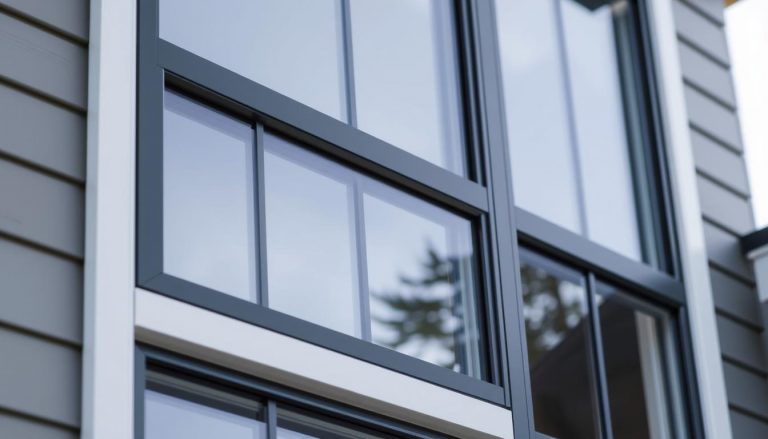


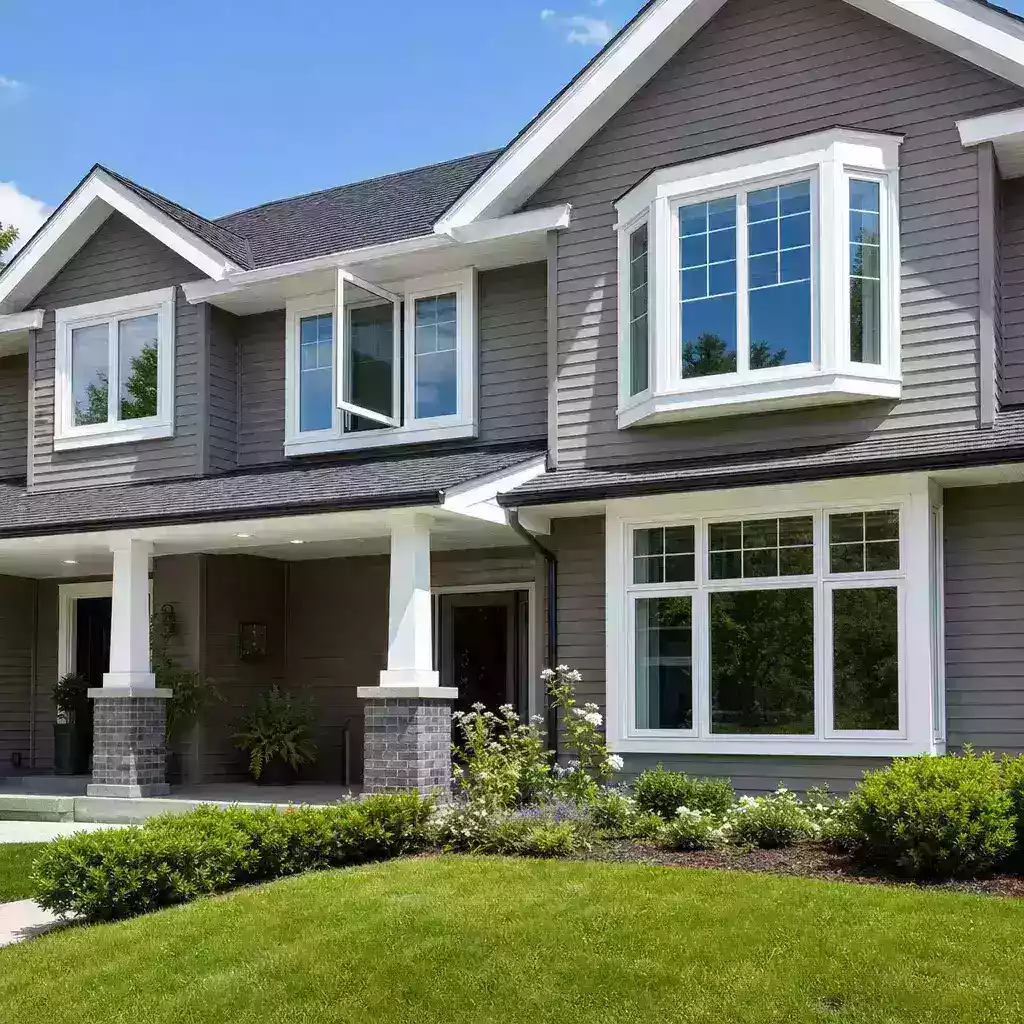
When considering windows for house cost, Canadian homeowners typically spend between $200 and $4,000 per window, depending on style, size, and material. Vinyl windows remain the most cost-effective option, with prices ranging from $160 to $1,860 for most residential applications, while aluminum windows command a 15-30% premium. Installation costs add another $150 to $500 per window, though complex projects requiring structural modifications can push total expenses higher. Understanding these price ranges helps you budget effectively and choose the right windows that balance performance, aesthetics, and long-term value for your home.
How Much Should I Budget for New House Windows?
The total investment for replacing your home’s windows depends on several interconnected factors. Most Canadian homeowners allocate between $3,000 and $15,000 for a full-home window replacement project, though this varies significantly based on home size and window selection.
Budget planning should account for both material costs and professional installation. While DIY installation might seem appealing, improper fitting compromises thermal performance and voids manufacturer warranties. Professional installers ensure proper sealing, correct flashing, and compliance with local building codes.
Vitaly Shapiro, Vice President of Sales: “Many homeowners focus solely on the window price without considering the complete picture. Installation quality directly impacts energy performance and longevity. A properly installed mid-range window outperforms a premium window with poor installation every time.”
Window and Doors Replacement Near Me
Window Cost Breakdown by Size and Type
| Window Type | Small Window | Medium Window | Large Window | Best For |
|---|---|---|---|---|
| Single Casement | $240–$380 | $410–$640 | $480–$750 | Kitchens, bathrooms |
| Double-Hung | $220–$350 | $380–$600 | $560–$880 | Traditional homes |
| Sliding Window | $200–$310 | $340–$540 | $560–$880 | Wide openings |
| Bay Window | $700–$1,100 | $1,190–$1,860 | $1,680–$2,630 | Living rooms, dining areas |
| Picture Window | $160–$250 | $270–$430 | $2,560–$4,000 | Maximizing views |
Window Pricing by Style and Configuration
Basic Vinyl Windows
Cost: $200–$600 installed
Entry-level vinyl windows provide solid thermal performance at accessible price points. These units typically feature double-pane glass with standard Low-E coatings and basic hardware finishes. They’re ideal for rental properties, budget-conscious renovations, or homes where premium aesthetics aren’t the primary concern.
Standard configurations include single-hung and basic sliding designs. While they lack advanced features like triple glazing or decorative grilles, they still meet ENERGY STAR™ certification requirements when properly selected.
Mid-Range Performance Windows
Cost: $600–$1,200 installed
This category represents the sweet spot for most Canadian homeowners. Mid-range windows incorporate enhanced energy features such as argon gas fills, improved Low-E coatings, and better weather stripping systems. Frame options expand to include multiple colour finishes and hardware upgrades.
Operational styles diversify at this price point. Awning windows, tilt-and-turn configurations, and double casement designs become accessible. These windows balance performance, aesthetics, and durability for long-term value.
Premium and Custom Window Solutions
Cost: $1,200–$4,000+ installed
Premium windows deliver exceptional performance through advanced engineering. Triple-pane construction, krypton gas fills, and multiple Low-E coatings maximize thermal efficiency. Custom shapes, oversized dimensions, and architectural details characterize this segment.
Bow windows, floor-to-ceiling units, and specialty shapes fall into this category. High-end hardware, custom colour matching, and integrated blinds add both functionality and aesthetic appeal. These investments particularly benefit homes in extreme Canadian climates.
Alexandr Naumov, Project Manager: “Custom windows require careful planning and precise measurements. We’ve seen projects where homeowners saved $500 on windows but spent $2,000 fixing structural issues because standard sizes didn’t fit properly. Sometimes custom is actually more economical in the long run.”
Explore energy-efficient options
What Factors Influence Window Replacement Costs?
Multiple variables affect your final window investment. Understanding these elements helps you make informed decisions and avoid unexpected expenses during your project.
Window Size and Dimensions
Larger windows require more materials and often more complex installation procedures. A standard 24″x36″ window costs significantly less than a 72″x60″ unit. Custom sizes always command premium pricing compared to standard dimensions.
Opening size modifications add substantial costs. If your existing openings need enlargement, expect additional expenses for structural work, permits, and finishing.
Frame Material Selection
Material choice dramatically impacts both upfront costs and long-term performance:
- Vinyl windows: Most economical option with excellent thermal performance and minimal maintenance requirements
- Aluminum frames: Cost 15-30% more but offer superior strength and slimmer sightlines for contemporary designs
- Composite materials: Premium pricing with enhanced durability and wood-like aesthetics
- Wood frames: Highest cost but unmatched traditional appearance and customization potential
Glass Technology and Energy Efficiency
Glass packages significantly influence pricing. Basic double-pane configurations cost less than triple-glazed systems. Advanced Low-E coatings, gas fills, and warm-edge spacers add $50 to $200 per window but deliver measurable energy savings.
ENERGY STAR™ certified windows qualify for various rebate programs. Check the Ontario window rebate programs to offset initial costs through government incentives.
Installation Complexity
Standard replacement installations in existing openings cost $150 to $300 per window. Complex scenarios increase labour expenses:
- Second-story installations requiring scaffolding or specialized equipment
- Structural modifications for size changes or new openings
- Brick or stone exterior work requiring mason involvement
- Heritage home installations with architectural preservation requirements
Regional Labour and Market Conditions
Geographic location affects both material and labour costs. Urban centres like Toronto, Mississauga, and Hamilton typically see higher installation rates than rural areas. Seasonal demand fluctuations also impact pricing, with spring and summer commanding premium rates.
Additional Features and Customization
Specialized features add incremental costs but enhance functionality:
- Integrated blinds: $100–$300 per window
- Decorative grilles and muntins: $50–$150 per window
- Custom colours and finishes: $75–$200 per window
- Impact-resistant glass: $200–$400 additional per window
- Smart window technology: $150–$500 per window
Find the Best Window Styles for your Home
Detailed Window Cost Comparison by Type
| Window Style | Material Cost Range | Installed Cost Range | Energy Efficiency | Maintenance Level |
|---|---|---|---|---|
| Single-Hung | $220–$980 | $370–$1,480 | Good | Low |
| Double-Hung | $220–$880 | $370–$1,380 | Very Good | Low |
| Casement | $240–$1,630 | $390–$2,130 | Excellent | Medium |
| Sliding | $200–$880 | $350–$1,380 | Good | Low |
| Bay/Bow | $700–$2,630 | $1,200–$3,630 | Very Good | Medium |
| Awning | $280–$1,130 | $430–$1,630 | Excellent | Medium |
Best window companies reviews
How Can I Reduce Window Replacement Costs?
1. Strategic Timing and Planning
Schedule your window replacement project during off-peak seasons. Fall and winter installations often come with discounted rates as contractors have lighter schedules. However, ensure weather conditions permit proper installation and curing of sealants.
Replacing multiple windows simultaneously reduces per-unit installation costs. Contractors offer better rates for larger projects since setup, equipment, and travel expenses get distributed across more units.
2. Choose Standard Sizes and Configurations
Standard window dimensions cost significantly less than custom sizes. When possible, select replacement windows that fit existing openings without structural modifications. This approach eliminates carpentry, masonry, and finishing expenses.
Stock colours and standard hardware finishes also reduce costs compared to custom options. White and beige vinyl frames remain the most economical choices.
3. Balance Performance with Budget
Prioritize high-performance windows in critical locations. Install premium triple-pane units on north-facing walls where heat loss is greatest, while using quality double-pane windows elsewhere. This strategic approach maximizes energy savings without unnecessary overspending.
Focus on essential features rather than aesthetic upgrades. A well-engineered basic window with excellent sealing outperforms a decorative window with mediocre thermal performance.
4. Explore Financing and Rebate Programs
Many manufacturers and installers offer financing options that spread costs over manageable monthly payments. Government rebate programs and energy efficiency incentives can offset 10-25% of total project costs when selecting ENERGY STAR™ certified products.
5. Maintain Existing Windows When Possible
Not all windows require immediate replacement. If frames remain structurally sound, consider glass unit replacement instead of full window replacement. This option costs 40-60% less while still improving energy efficiency.
Regular maintenance extends window lifespan. Simple tasks like weather stripping replacement, hardware lubrication, and proper cleaning prevent premature failure and delay costly replacements.
Why Should I Invest in Quality Windows?
Quality windows deliver returns that extend far beyond initial purchase price. Energy-efficient models reduce heating and cooling costs by 15-30% annually in Canadian climates. Over a window’s 20-25 year lifespan, these savings often exceed the original investment.
Premium windows enhance home comfort through superior draft prevention and noise reduction. They also increase property value, with studies showing quality window replacements recovering 70-80% of costs in resale value.
At Total Home Windows and Doors, we specialize in vinyl window solutions engineered specifically for Canadian conditions. Our products feature the TotalSeal Multi-Point Locking System for enhanced security and superior weather resistance. With BBB accreditation (A+ rating), Google rating of 4.9, and Homestars rating of 5.0, we’ve built our reputation on quality installations and customer satisfaction.
Our ENERGY STAR™ certified windows meet stringent performance standards while maintaining competitive pricing. Whether you’re upgrading a single room or undertaking a whole-home replacement, our team provides expert guidance tailored to your specific needs and budget.
What Should I Look for When Comparing Window Quotes?
Evaluating window quotes requires looking beyond the bottom-line number. Request detailed breakdowns showing material costs, labour expenses, and included services. Compare specifications carefully—lower quotes often reflect inferior glass packages or thinner frame profiles.
Verify warranty coverage for both products and installation. Quality manufacturers offer 20-year to lifetime frame warranties and 10-20 year glass seal warranties. Installation warranties should cover workmanship for at least two years.
Check contractor credentials thoroughly. Proper licensing, insurance coverage, and manufacturer certifications protect your investment. Review recent customer feedback through platforms like verified review sites to assess service quality and project outcomes.
How Do Window Costs Compare Across Different Home Styles?
Architectural style significantly influences window requirements and costs. Victorian and heritage homes often require custom shapes and specialized installation techniques, increasing expenses by 30-50% compared to standard projects.
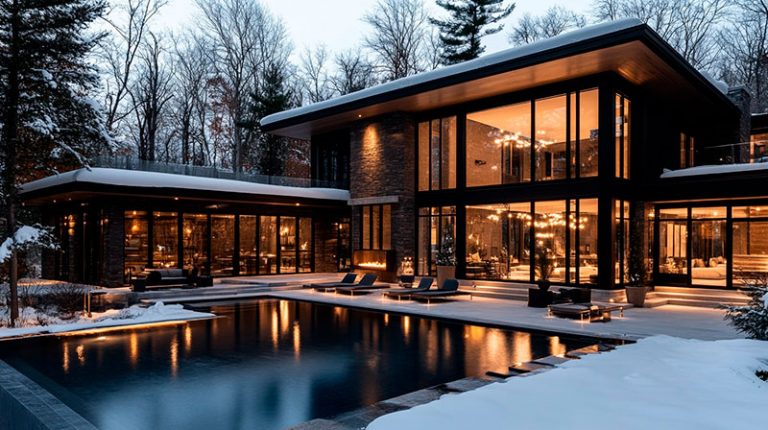
Modern homes with large picture windows and floor-to-ceiling glass benefit from contemporary designs but face higher material costs due to size. Ranch-style homes typically accommodate standard window sizes, keeping replacement costs moderate.
Multi-story homes incur additional labour charges for upper-floor installations. Expect 20-40% higher installation costs for second-story windows compared to ground-level replacements.
What Additional Costs Should I Anticipate?
Beyond window and installation costs, budget for complementary expenses:
- Permits and inspections: $50–$200 depending on municipal requirements
- Trim and finishing work: $100–$300 per window for interior and exterior trim replacement
- Paint and finishing materials: $50–$150 per window for colour matching and sealing
- Disposal fees: $100–$300 for old window removal and disposal
- Temporary window coverings: $20–$100 if installation spans multiple days
Structural surprises sometimes emerge during installation. Hidden water damage, rot, or pest issues require remediation before new windows can be installed. Maintain a 10-15% contingency budget for unexpected repairs.
How Long Does Window Installation Take?
Standard window replacements typically take 30-60 minutes per unit for experienced installers. A whole-home project with 10-15 windows generally completes in 2-3 days, depending on complexity and weather conditions.
Custom installations requiring structural modifications extend timelines. Bay window installations might take 4-6 hours per unit due to framing requirements and multiple glass panels. Projects involving new construction openings can span several days including finishing work.
Weather significantly impacts installation schedules. Extreme cold, heavy precipitation, or high winds delay projects since proper sealing requires specific temperature and moisture conditions.
Are There Financing Options for Window Replacement?
Most reputable window companies offer financing programs to make quality windows accessible. Options typically include:
- Zero-interest promotional periods (6-24 months)
- Extended payment plans with competitive interest rates
- Home equity lines of credit for larger projects
- Government energy efficiency loans and grants
Financing approval depends on credit history and project scope. Many homeowners find that monthly financing payments remain lower than energy savings generated by new windows, creating immediate positive cash flow.
Visit our current promotions page to explore available financing options and seasonal discounts that can reduce your overall investment.
What Maintenance Do New Windows Require?
Modern vinyl windows require minimal maintenance compared to traditional materials. Regular cleaning with mild soap and water keeps glass and frames looking new. Inspect weather stripping annually and replace if damaged to maintain energy efficiency.
Lubricate moving parts like hinges and locks every 6-12 months using silicone-based products. Avoid petroleum-based lubricants that can degrade vinyl and rubber components. Clean drainage weep holes to prevent water accumulation and potential frame damage.
Professional inspection every 3-5 years identifies potential issues before they become expensive problems. This proactive approach extends window lifespan and preserves performance characteristics.
Frequently Asked Questions (FAQ)
How much do windows cost for an average Canadian home?
An average Canadian home with 10-15 windows typically costs $5,000 to $12,000 for complete vinyl window replacement, including professional installation. Premium materials or custom configurations increase this range to $15,000-$25,000.
Are more expensive windows worth the investment?
Premium windows deliver superior energy efficiency, durability, and comfort. The investment pays back through lower energy bills, increased home value, and extended lifespan. Quality windows often save $200-$500 annually on heating and cooling costs.
How long do vinyl windows typically last?
Quality vinyl windows last 20-25 years with proper maintenance. Premium models with reinforced frames and superior glass packages can exceed 30 years. Warranty coverage typically reflects expected lifespan, with better products offering longer protection periods.
Can I replace windows myself to save money?
While possible, DIY window installation risks improper sealing, void warranties, and compromised performance. Professional installers ensure correct fitting, proper insulation, and code compliance. Poor installation often costs more to fix than professional installation would have cost initially.
What time of year offers the best window prices?
Fall and winter typically offer better pricing as contractor demand decreases. However, ensure temperatures permit proper installation. Many companies run promotions during slower periods, potentially saving 10-20% compared to peak spring and summer rates.
What Will Your Window or Door Project Cost?
Answer a few quick questions for a ballpark price range — no email required to see your estimate.
What are you looking to replace or install?
How many windows and/or doors, roughly?
What material are you interested in?
What’s the age and condition of your home?
What’s your timeline?
Starter Project: Roughly $2,000–$6,000
A smaller project — a handful of windows or a single door — typically lands in this range, depending on size and material. An in-home measure will give you an exact number, with no obligation.
Mid-Size Project: Roughly $6,000–$18,000
This is the most common scope we see across the GTA — a meaningful batch of windows and/or doors on a standard home. Material choice and condition of the home are the biggest swing factors.
Large or Whole-Home Project: Roughly $18,000–$40,000+
A project of this size — 9 or more openings, or a whole-home upgrade — benefits most from a detailed in-home assessment, since older homes and larger counts both affect the final price.
Premium / Custom Project: Price Varies by Scope
Heritage sizing, custom shapes, or a large whole-home project with specific material requirements means pricing is best built around your exact home. An in-home consultation gives you an accurate, itemised number.
Let’s Build Your Personalised Estimate
Your project has a few different variables, so a quick in-home measure will give you the most accurate picture — completely free, with no obligation.
Get your free PDF guide
Enter your name and email and we’ll unlock the download right away.
Thanks! Your guide is ready
Click below to download your free PDF. We’ve also emailed a copy to you.
Download Your PDF Guide