

Slider windows can achieve impressive energy efficiency ratings when properly manufactured and installed, with modern designs reaching U-values as low as 0.25 and triple-pane options offering superior insulation compared to older single-pane models. The energy efficiency depends heavily on frame materials, glazing options, weatherstripping quality, and professional installation techniques that eliminate air leakage.
Key takeaways
- Modern slider windows achieve U-values between 0.25-0.35, making them highly energy efficient
- Triple-pane glazing with low-E coatings can reduce energy costs by up to 30% annually
- Proper installation and weatherstripping eliminate up to 95% of air infiltration
- Vinyl frames outperform aluminum in thermal performance by 40-50%
- ENERGY STAR certification ensures compliance with Canadian climate zone requirements
Understanding the true energy performance of slider windows requires examining actual testing data and real-world applications. Many homeowners question whether these horizontal sliding windows can match the efficiency of other window types.
Window and Doors Replacement Near Me
How do modern slider windows compare to traditional window types?
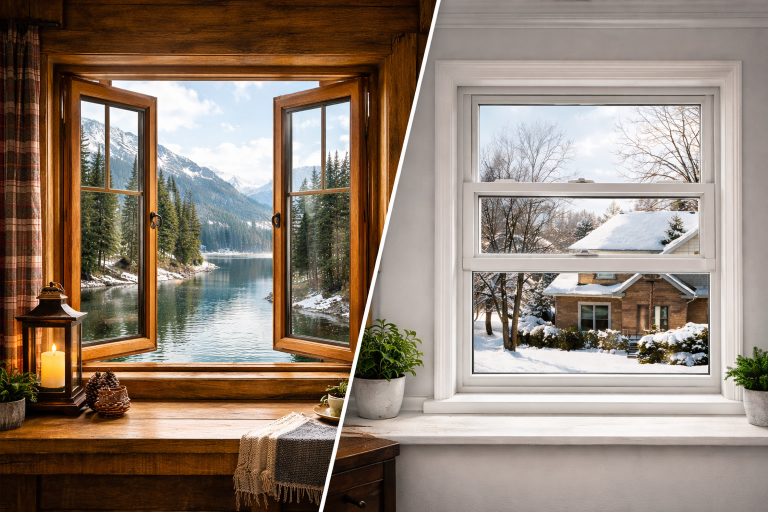
Today’s slider windows have undergone significant improvements in thermal performance. Unlike older models that relied on basic weatherstripping, modern units feature advanced sealing systems and multi-chambered frames.
Vitaly Shapiro, Vice President of Sales, explains: “Our latest slider window designs incorporate the same energy-efficient technologies found in casement windows, including multi-point locking systems and continuous weatherstripping that creates an airtight seal.”
The performance comparison reveals interesting insights:
| Window Type | Average U-Value | Air Infiltration Rating | Energy Efficiency |
|---|---|---|---|
| Modern Slider Windows | 0.25-0.35 | 0.1-0.2 CFM/ft² | High |
| Casement Windows | 0.20-0.30 | 0.05-0.15 CFM/ft² | Very High |
| Double-Hung Windows | 0.30-0.40 | 0.15-0.25 CFM/ft² | Moderate to High |
| Single-Pane Aluminum | 0.80-1.20 | 0.50-1.00 CFM/ft² | Poor |
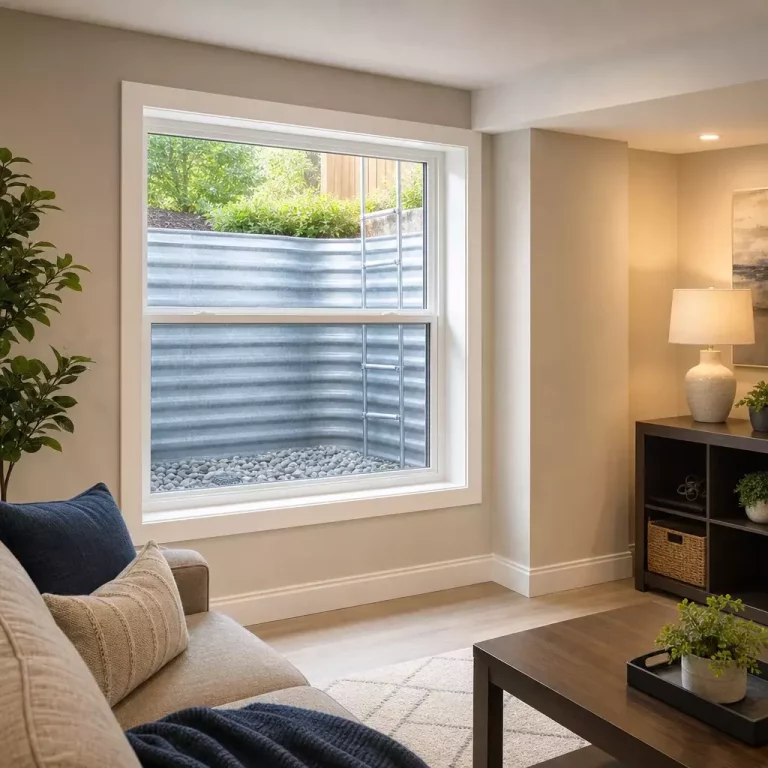
Furthermore, slider windows offer practical advantages in specific applications. Their horizontal operation doesn’t interfere with exterior landscaping or walkways, making them ideal for ground-floor installations where casement windows might be impractical.
Find related services
What factors determine slider window energy efficiency?
Several critical components work together to create an energy-efficient slider window system. The frame material plays a fundamental role in thermal performance.
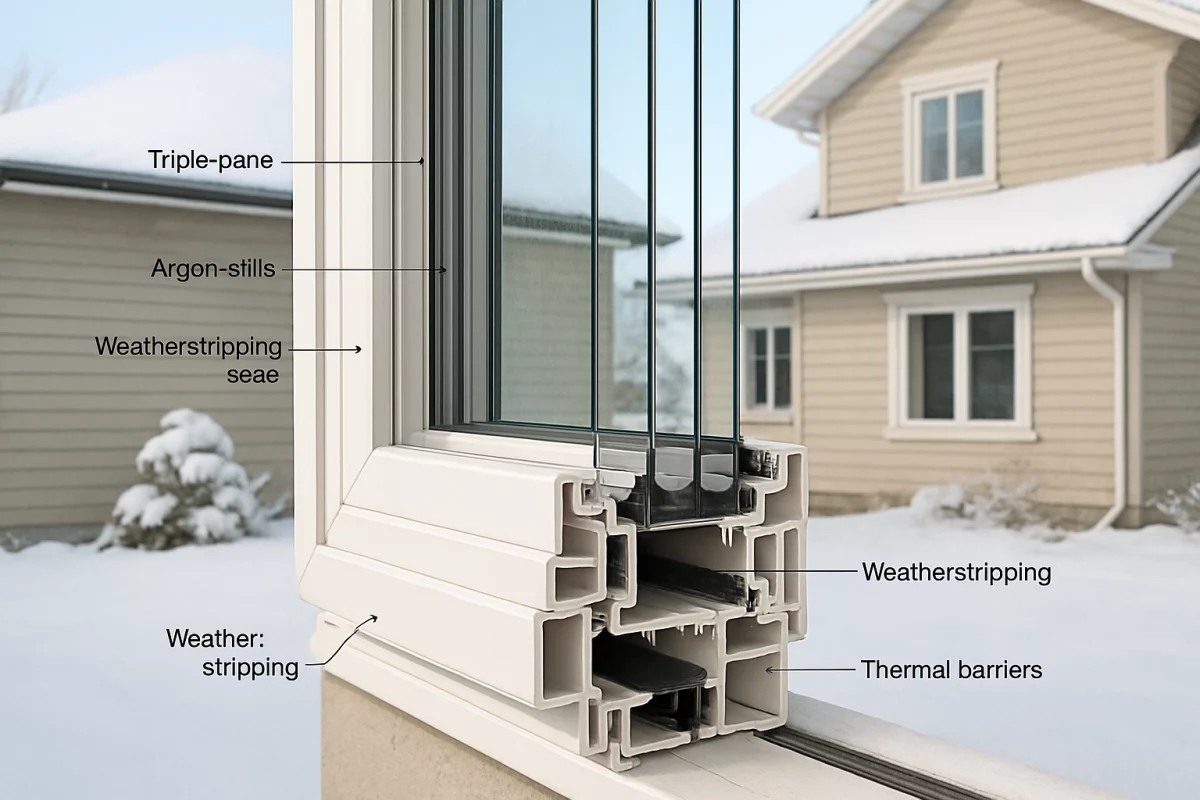
Vinyl frames excel in energy efficiency due to their multi-chambered construction and low thermal conductivity. These chambers trap air, creating additional insulation layers that prevent heat transfer. In contrast, aluminum windows require thermal breaks to achieve similar performance levels.
Glazing technology represents another crucial factor:
- Single-pane glass offers minimal insulation (U-value 1.0+)
- Double-pane windows with argon fill achieve U-values of 0.30-0.35
- Triple-pane windows with low-E coatings reach U-values below 0.25
- Gas fills between panes (argon or krypton) enhance insulation properties
- Low-E coatings reflect infrared heat while allowing visible light transmission
The weatherstripping system prevents air infiltration, which accounts for up to 40% of energy loss in poorly sealed windows. Quality slider windows feature continuous weatherstripping along all contact points, creating multiple barriers against air leakage.
Explore energy-efficient options
Do slider windows meet Canadian energy standards?
Canadian building codes and ENERGY STAR requirements establish minimum performance standards for residential windows. These standards vary by climate zone, with stricter requirements in northern regions.
Eugene Siukayev, Project Manager, notes: “All our slider windows exceed ENERGY STAR requirements for Canadian climate zones. We test every design in certified laboratories to ensure compliance with CSA standards and actual field performance.”
The current Canadian standards require:
- Zone A (Southern Ontario): Maximum U-value of 1.60, minimum ER of 25
- Zone B (Central Canada): Maximum U-value of 1.40, minimum ER of 29
- Zone C (Northern regions): Maximum U-value of 1.20, minimum ER of 34
- Air infiltration must not exceed 0.20 CFM/ft² under test conditions
- Structural performance ratings for wind loads and water resistance
Modern energy efficient windows significantly exceed these minimum requirements. Premium slider windows achieve U-values well below 0.30, placing them in the highest efficiency categories.
Find the Best Window Styles for your Home
How much can energy-efficient slider windows reduce heating costs?
Real-world energy savings depend on several variables including home size, existing window conditions, local climate, and heating system efficiency. However, documented case studies provide valuable insights into potential savings.
Replacing single-pane aluminum slider windows with modern triple-pane vinyl units typically yields the following results:
| Home Size | Window Area | Annual Savings (Natural Gas) | Annual Savings (Electric Heat) |
|---|---|---|---|
| 1,200 sq ft | 180 sq ft | $180-$240 | $320-$450 |
| 1,800 sq ft | 270 sq ft | $270-$360 | $480-$675 |
| 2,500 sq ft | 375 sq ft | $375-$500 | $665-$935 |
| 3,000 sq ft | 450 sq ft | $450-$600 | $800-$1,125 |
These calculations assume Canadian energy prices and typical climate conditions. Homes with electric heating systems see larger savings due to higher electricity costs compared to natural gas.
Additionally, energy-efficient windows provide comfort benefits beyond cost savings. Reduced drafts, more consistent indoor temperatures, and decreased condensation improve living quality while protecting interior furnishings from UV damage.
Best window companies reviews
What installation factors affect slider window energy performance?
Even the most efficient window will underperform if improperly installed. Professional window replacement ensures optimal energy performance through precise fitting and sealing.
Critical installation elements include:
- Proper rough opening preparation with square, level, and plumb measurements
- Continuous insulation around the window frame to eliminate thermal bridges
- Vapour barrier installation to prevent moisture infiltration
- Weatherproof exterior caulking and flashing systems
- Interior trim installation that doesn’t compress insulation
Poor installation can reduce window efficiency by 30% or more, negating the benefits of premium glazing and frame technologies. Air gaps around the frame create convection currents that transfer heat, while moisture infiltration can damage surrounding building materials.
Professional installers use specialized tools to ensure accurate positioning and sealing. They also understand local building codes and manufacturer specifications that affect warranty coverage.
Which glazing options provide the best energy efficiency?
Advanced glazing technologies significantly impact slider window energy performance. Understanding these options helps homeowners make informed decisions based on their specific needs and budget.
Low-E coatings represent one of the most cost-effective efficiency upgrades. These microscopically thin metallic layers reflect infrared radiation while allowing visible light transmission. Different Low-E formulations optimise performance for heating-dominated or cooling-dominated climates.
Gas fills between glass panes enhance insulation properties. Argon gas windows offer excellent value, improving U-values by approximately 10-15% compared to air-filled units. Krypton gas provides even better performance but at higher cost.
Triple-pane glazing creates the ultimate thermal barrier for Canadian climates. The additional glass layer and two gas-filled spaces dramatically reduce heat transfer. While initial costs are higher, the long-term energy savings often justify the investment, especially in northern regions with extended heating seasons.
Smart glass technologies are emerging for specialty applications. Electrochromic glass can change opacity on demand, while photochromic options automatically adjust to light conditions. These advanced features add significant cost but may be worthwhile for specific architectural requirements.
How do maintenance requirements affect long-term efficiency?
Slider windows require regular maintenance to preserve their energy efficiency over time. Unlike fixed windows, the moving components and multiple sealing surfaces need periodic attention.
Essential maintenance tasks include:
- Cleaning and lubricating sliding tracks to ensure smooth operation
- Inspecting weatherstripping for wear or damage every two years
- Checking frame caulking and resealing as needed
- Cleaning glass surfaces to maintain maximum light transmission
- Adjusting hardware to maintain proper alignment and sealing
Neglected maintenance can gradually reduce efficiency as seals deteriorate and alignment shifts. However, quality slider windows from reputable manufacturers maintain their performance for decades with proper care.
Many homeowners appreciate that slider windows offer easier maintenance access compared to double-hung windows with complex pulley systems or casement windows with cranking mechanisms.
Modern slider windows incorporate improved materials that resist corrosion, warping, and seal degradation. Stainless steel rollers, reinforced weatherstripping, and UV-resistant frame materials extend service life while maintaining energy performance.
When properly specified and installed, today’s slider windows deliver excellent energy efficiency that rivals other window types. The key lies in selecting quality products with appropriate glazing for your climate zone and ensuring professional installation. With their practical operation, low maintenance requirements, and proven thermal performance, slider windows represent a smart choice for energy-conscious Canadian homeowners seeking comfort and cost savings.
Frequently Asked Questions (FAQ)
Do slider windows have more air leakage than casement windows?
Modern slider windows with quality weatherstripping achieve air infiltration rates comparable to casement windows, typically 0.1-0.2 CFM/ft² when properly installed and maintained.
Can triple-pane slider windows justify their higher cost?
In Canadian climates, triple-pane slider windows typically pay for themselves within 8-12 years through energy savings, while providing superior comfort and condensation resistance.
What’s the difference between ENERGY STAR and CSA ratings?
ENERGY STAR sets minimum efficiency requirements for different climate zones, while CSA provides detailed performance testing standards including structural integrity and weatherproofing capabilities.
How often should slider window weatherstripping be replaced?
Quality weatherstripping on slider windows typically lasts 15-20 years with proper maintenance, though visual inspection every 2-3 years helps identify early wear signs.
Do larger slider windows lose more energy than smaller ones?
Larger windows have more glass area but the same frame-to-glass ratio, so U-values remain constant while total heat loss increases proportionally with size.