

Yes, you can paint an exterior door, and doing so is one of the most cost-effective ways to enhance your home’s curb appeal and protect your investment. Whether you have steel, fibreglass, or wood doors, proper preparation, quality paint, and correct application techniques will deliver professional-looking results that last for years. The key to success lies in choosing the right paint type for your door material and following proper surface preparation steps.
Key takeaways
- All exterior door materials can be painted with proper preparation and suitable paint products
- Surface preparation accounts for 80% of paint job success and longevity
- High-quality exterior paint with primer provides better durability against Canadian weather
- Steel and fibreglass doors require different preparation techniques than wood doors
- Professional results depend on using proper tools and applying thin, even coats
Window and Doors Replacement Near Me
What types of exterior doors can be painted successfully?
Most exterior door materials accept paint well when properly prepared. Steel doors are excellent candidates for painting, as they provide a smooth surface that holds paint beautifully. These doors often come pre-primed from manufacturers, making the painting process more straightforward.
Fibreglass doors also paint exceptionally well and can even be textured to mimic wood grain. Their non-porous surface resists moisture absorption, which helps prevent paint peeling and extends the life of your paint job.
Wood doors require more preparation but offer unlimited customisation options. Whether you’re working with solid wood or engineered wood products, proper sanding and priming ensure excellent paint adhesion.
“The beauty of modern exterior doors is their paintability. Whether homeowners choose steel, fibreglass, or wood, each material can be transformed with the right preparation and quality paint products,” says Vitaly Shapiro, Vice President of Sales.
Find related services
How do you prepare different door materials for painting?
Surface preparation varies significantly between door materials. For steel doors, start by cleaning with degreasing detergent to remove manufacturing oils and accumulated dirt. Light sanding with 220-grit sandpaper creates better paint adhesion, especially on glossy factory finishes.
Fibreglass doors need thorough cleaning followed by light sanding to roughen the surface. Pay special attention to textured areas where dirt and grime accumulate. Use a tack cloth to remove all dust particles before priming.
Wood doors require the most extensive preparation. Strip old paint if it’s peeling or heavily layered. Sand progressively from coarse to fine grits, starting with 120-grit and finishing with 220-grit sandpaper. Fill any holes or imperfections with wood filler, then sand smooth once dry.
| Door Material | Preparation Steps | Recommended Primer | Drying Time |
|---|---|---|---|
| Steel | Clean, light sand, degrease | Metal primer | 4-6 hours |
| Fibreglass | Clean, light sand, tack cloth | Bonding primer | 2-4 hours |
| Wood | Strip, sand, fill, sand again | Wood primer | 6-8 hours |
Which paint types work best for exterior doors in Canada?
Canadian weather demands high-performance exterior paints that withstand temperature fluctuations, UV radiation, and moisture. Acrylic latex paints offer excellent durability and flexibility, making them ideal for most exterior door applications.
For steel doors, use a high-quality acrylic latex paint designed for metal surfaces. These formulations resist rust and provide superior adhesion. Alkyd-based paints also work well on steel but require longer drying times and proper ventilation.
Fibreglass doors perform best with 100% acrylic latex paints. These paints flex with temperature changes without cracking and maintain colour stability under intense UV exposure.
Wood doors benefit from either high-quality latex or alkyd paints. Latex paints offer easier cleanup and faster drying, while alkyd paints provide a harder, more durable finish that’s particularly suitable for high-traffic entrances.
“When selecting paint for exterior doors, Canadian homeowners should prioritise products specifically formulated for extreme weather conditions. Quality paint is an investment that pays dividends in longevity and appearance,” advises Eugene Siukayev, Project Manager.
Find the Best Window Styles for your Home
What tools and supplies do you need for door painting?
Professional-quality tools make a significant difference in your final results. Essential supplies include:
- High-quality synthetic bristle brushes (2.5-inch angled brush for panels, 1.5-inch brush for details)
- Foam rollers for smooth surfaces
- 220-grit sandpaper
- Drop cloths and masking tape
- Primer suitable for your door material
- Exterior paint in your chosen colour
- Paint tray and liner
- Tack cloth for dust removal
Investing in quality brushes prevents brush marks and ensures smooth paint application. Synthetic bristles work best with latex paints, while natural bristles suit oil-based products.
Best window companies reviews
How do you achieve professional painting results?
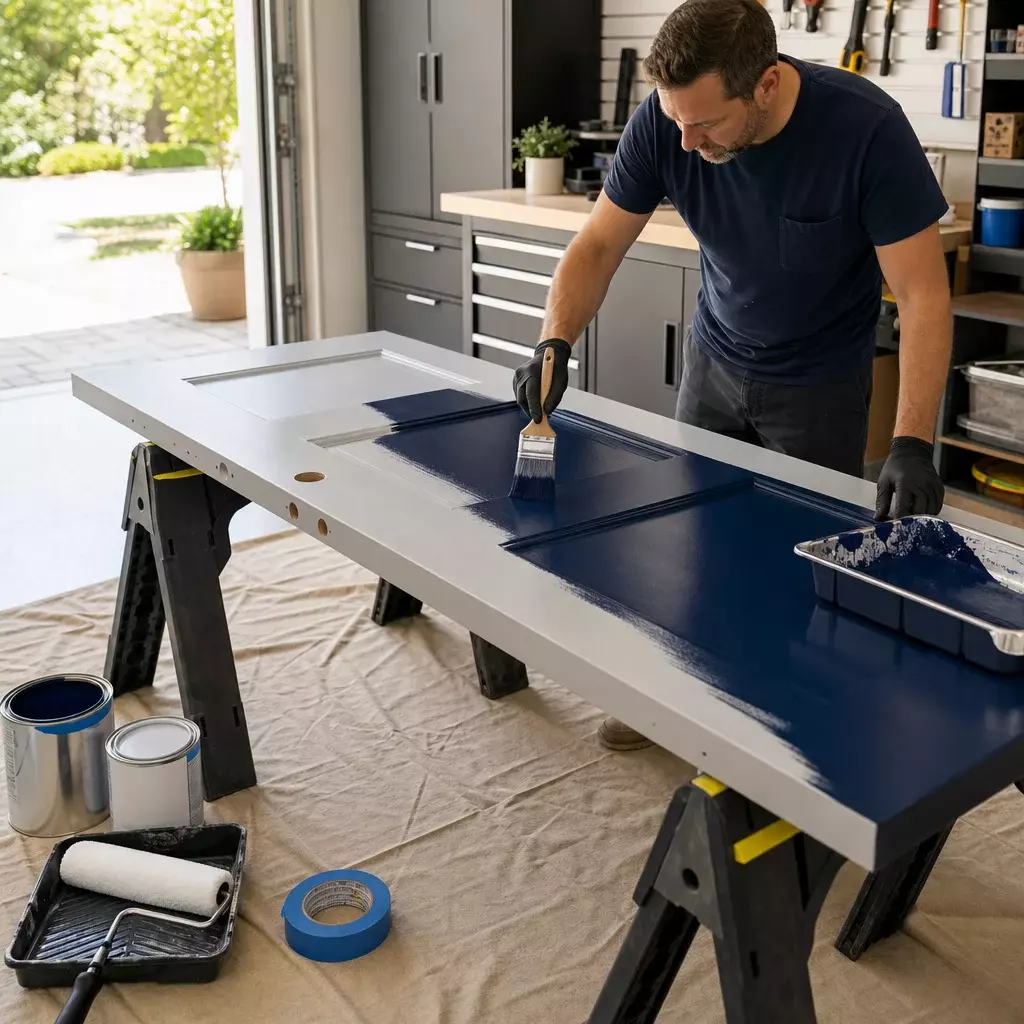
Professional results require patience and proper technique. Remove the door from its hinges when possible to ensure even coverage and prevent drips. Work in a dust-free environment, preferably a garage or covered area.
Apply primer first, using long, smooth strokes. For panel doors, paint the panels first, then the horizontal rails, and finally the vertical stiles. This sequence prevents lap marks and ensures uniform coverage.
When applying the topcoat, use the same sequence as priming. Apply thin, even coats rather than trying to achieve full coverage in one application. Two thin coats provide better durability and appearance than one thick coat.
Allow proper drying time between coats as specified by the manufacturer. Temperature and humidity affect drying times, so adjust your schedule accordingly.
What are common mistakes to avoid when painting doors?
Several common mistakes can compromise your paint job’s quality and longevity. Skipping surface preparation is the most critical error. Paint adheres poorly to dirty, glossy, or damaged surfaces, leading to premature failure.
Using low-quality paint may seem economical initially but often requires more frequent repainting. Quality exterior paints contain better pigments and binders that resist fading and weathering.
Painting in direct sunlight or extreme temperatures creates application problems. Hot surfaces cause paint to dry too quickly, preventing proper levelling and adhesion.
Rushing the process by applying thick coats or not allowing adequate drying time between coats leads to runs, sags, and poor durability.
| Common Mistake | Consequence | Prevention |
|---|---|---|
| Inadequate surface prep | Poor adhesion, peeling | Clean, sand, prime properly |
| Cheap paint selection | Fading, frequent repainting | Invest in quality exterior paint |
| Wrong weather conditions | Application problems | Paint in moderate temperatures |
| Thick coat application | Runs, poor appearance | Apply multiple thin coats |
How do you maintain painted exterior doors?
Proper maintenance extends your paint job’s life significantly. Regular cleaning with mild detergent removes dirt and pollutants that can degrade paint over time. Inspect your door annually for signs of wear, paying attention to high-contact areas like handles and lock areas.
Touch up minor scratches and chips promptly to prevent moisture infiltration. Keep a small amount of matching paint for quick repairs. Quality exterior doors with proper paint maintenance can look fresh for 5-7 years or more.
Consider applying a fresh topcoat every 3-4 years in harsh climates. This preventive approach costs less than complete repainting and maintains your home’s appearance.
When should you consider professional door replacement instead?
While painting can refresh most doors, some situations warrant replacement. Severely damaged doors with extensive rot, warping, or structural issues may not be worth painting. Professional door installation might be more cost-effective long-term.
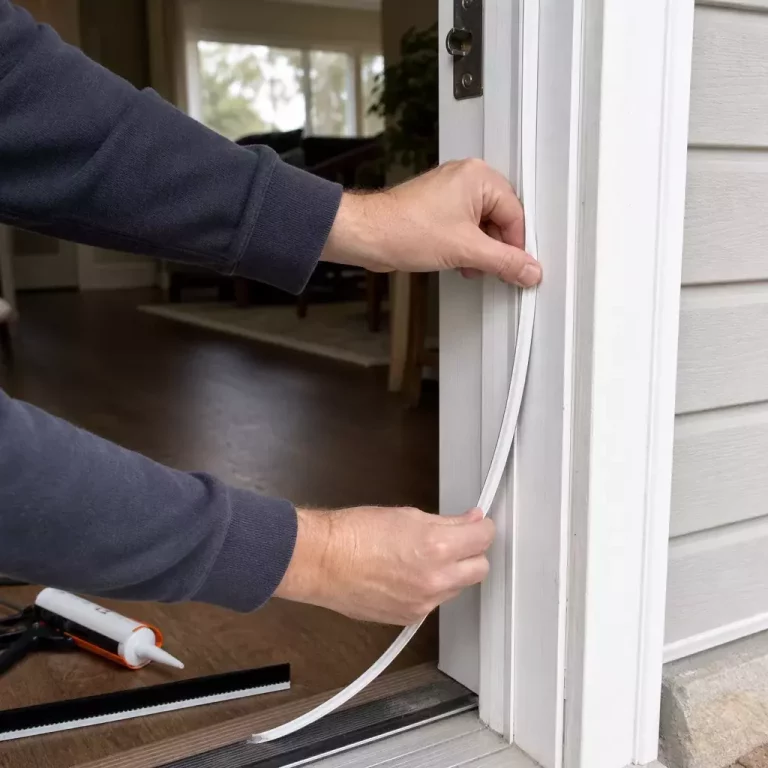
Doors lacking proper weatherstripping or showing significant energy inefficiency should be evaluated for replacement. Modern energy-efficient options can reduce heating costs and improve comfort.
If your door requires extensive repairs before painting, compare the total cost with new door options. Total Home Windows and Doors offers comprehensive consultations to help homeowners make informed decisions.
The painting process itself can be rewarding and cost-effective when done correctly. With proper preparation, quality materials, and careful technique, you can achieve professional-looking results that enhance your home’s curb appeal and protect your investment for years to come. Remember that the time invested in preparation directly correlates with the longevity and appearance of your finished paint job.
Frequently Asked Questions (FAQ)
How long does exterior door paint typically last?
Quality exterior door paint lasts 5-7 years with proper preparation and maintenance, depending on weather exposure and door material.
Can you paint a door without removing it from hinges?
Yes, but removing the door provides better access and prevents drips. Mask hinges and hardware carefully if painting in place.
What’s the best weather for painting exterior doors?
Paint when temperatures are between 10-27°C with low humidity and no direct sunlight. Avoid windy or rainy conditions.
Do fibreglass doors need special primer before painting?
Yes, use a bonding primer specifically designed for fibreglass surfaces to ensure proper paint adhesion and longevity.
How many coats of paint should you apply?
Apply one primer coat and two topcoats for optimal coverage and durability. Additional coats may be needed for dramatic colour changes.