

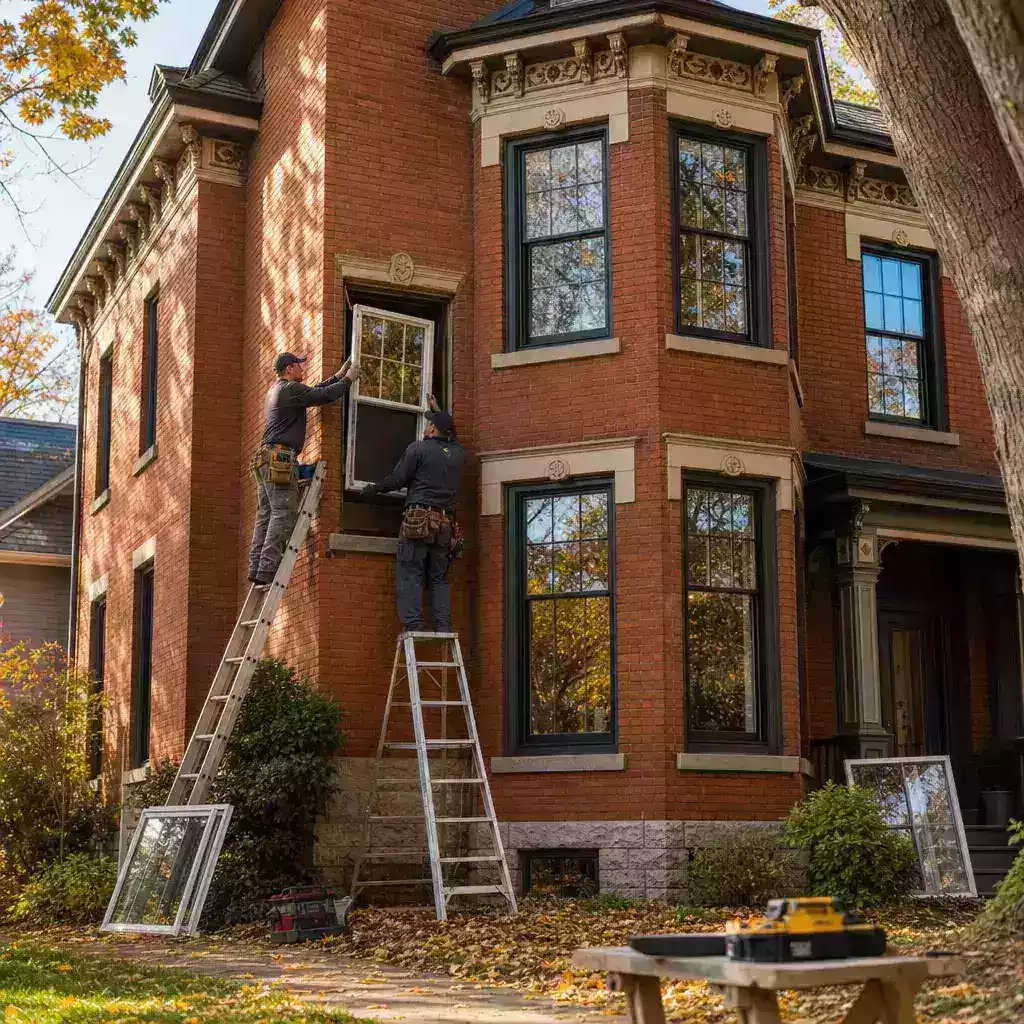
Replacing windows in an old house typically costs between $400 and $1,200 per window installed, depending on whether you maintain historic authenticity or upgrade to modern replicas. Historic homes often require custom-sized units, specialized installation to preserve structural integrity, and sometimes heritage approval, which can add 20-40% to standard replacement costs. The final price depends on window style matching, frame material selection, energy efficiency requirements, and whether structural repairs are needed around existing openings.
Older homes present unique challenges that newer properties don’t face. Original window openings may have non-standard dimensions, requiring custom fabrication. Load-bearing walls need careful assessment before any alterations. Many heritage properties also have strict guidelines about exterior appearance that limit your options.
Cost Breakdown Table
| Window Category | Material Cost | Installed Cost | Best For |
|---|---|---|---|
| Standard Vinyl Replacement | $200-$500 | $400-$800 | Non-heritage homes, budget projects |
| Custom-Sized Vinyl | $350-$700 | $650-$1,100 | Old homes with odd dimensions |
| Wood Replica Windows | $500-$900 | $800-$1,400 | Heritage designation requirements |
| Aluminum Heritage Style | $450-$850 | $750-$1,300 | Period homes needing durability |
| Custom Wood True Divided Light | $800-$1,500 | $1,200-$2,200 | Strict historic preservation |
The variation in pricing reflects the complexity of working with older structures. When you replace old window frames, contractors often discover hidden issues like rotted sills, outdated framing, or compromised structural supports that weren’t visible during initial assessment.
Window and Doors Replacement Near Me
Window Replacement Costs by Type for Historic Homes
Different window styles carry distinct price points, especially when adapted for older homes. Understanding these variations helps you budget accurately for your project.
Basic Double-Hung Replacements
Cost: $400-$850 installed
Double-hung windows are the most common style in historic homes built between 1850 and 1950. Modern vinyl versions offer excellent energy performance while mimicking traditional proportions. These work well when heritage guidelines allow contemporary materials. Standard sizes fit many older openings, though custom dimensions may be needed for homes built before standardization.
Basic vinyl double-hung units provide tilt-in sashes for easy cleaning and multi-point locking systems. They’re ideal when you want improved performance without the premium cost of exact historic replication.
Mid-Range Period-Appropriate Styles
Cost: $650-$1,300 installed
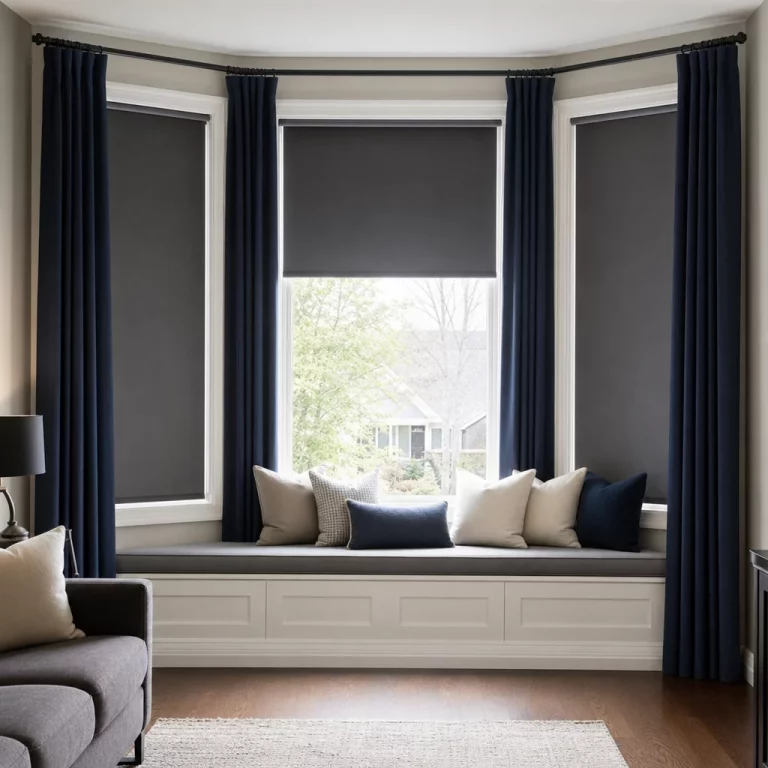
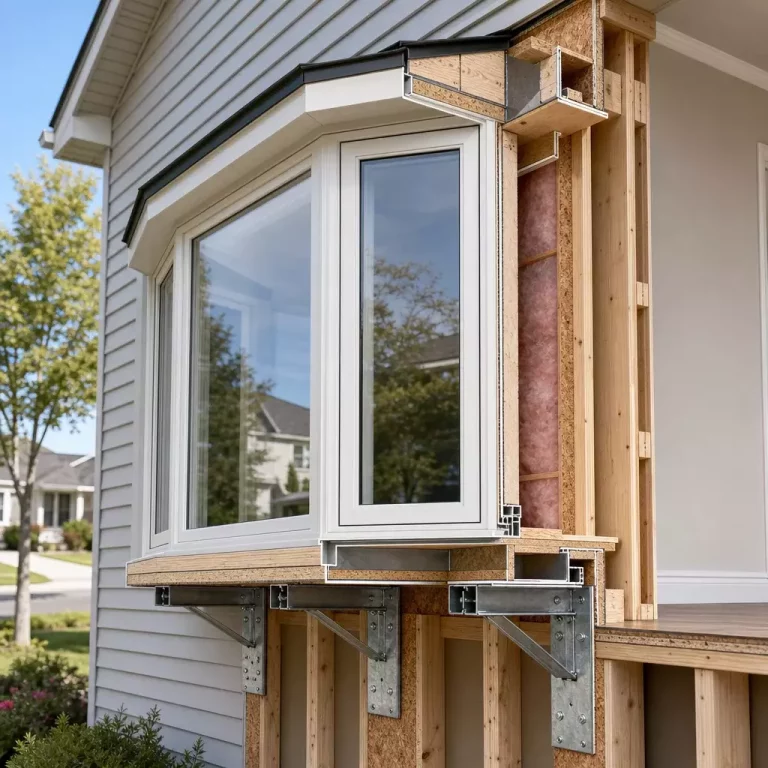
This category includes casement windows, bay windows, and custom-configured units that match your home’s architectural period. Many Victorian and Edwardian homes feature these distinctive styles that define their character.
Vitaly Shapiro, Vice President of Sales, explains: “When working with homes built before 1960, we often find that the existing rough openings don’t match modern standard sizes. Custom fabrication becomes necessary, but it ensures proper fit and maintains the home’s proportions. The investment in correct sizing prevents air leakage and structural issues down the road.”
These windows typically feature simulated divided lights or grilles that recreate the multi-pane appearance of original windows. Energy-efficient windows in this range often include Low-E coatings and argon gas fills while maintaining period aesthetics.
Premium Custom and Heritage-Grade Options
Cost: $1,200-$2,500+ installed
True heritage restoration requires authentic materials and construction methods. Wood windows with true divided lights, wavy glass options, and historically accurate profiles fall into this category. These are essential when local heritage boards require exact replication or when maintaining investment-grade historic properties.
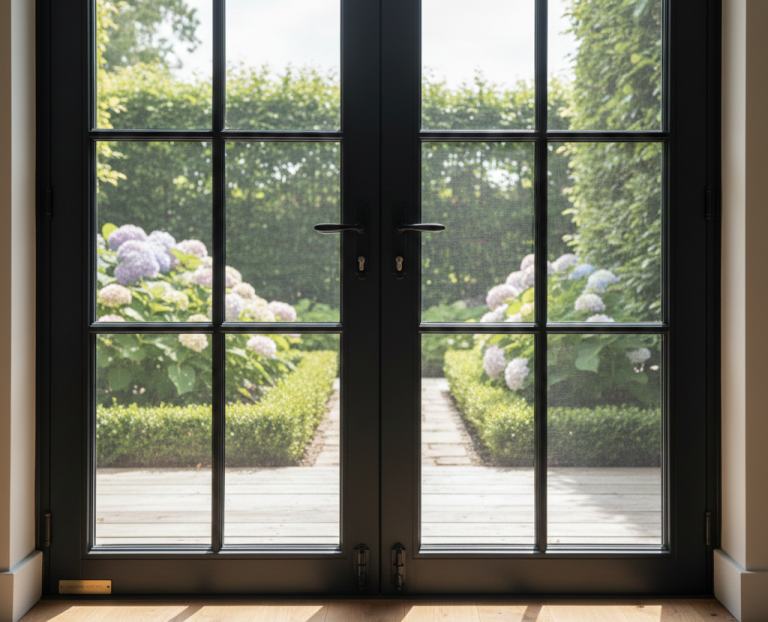
Premium options also include aluminum windows with custom colours and finishes that match original steel windows common in early 20th-century homes. These provide modern performance with period-correct appearance.
Eugene Siukayev, Project Manager, notes: “Historic homes often had steel casement windows that are now rusted beyond repair. Modern aluminum casements with slim sightlines and custom powder coating can replicate that look perfectly while offering superior thermal performance and ENERGY STAR™ certification. The upfront cost is higher, but the longevity and energy savings justify the investment.”
| Historic Window Style | Original Material | Modern Equivalent | Typical Cost Range |
|---|---|---|---|
| Victorian Double-Hung | Wood with weights | Vinyl with spring balance | $450-$900 |
| Craftsman Casement | Wood with brass hardware | Vinyl or aluminum with period hardware | $600-$1,200 |
| Tudor Steel Casement | Steel with leaded glass | Aluminum with simulated leads | $800-$1,600 |
| Colonial Multi-Light | Wood with true divided lights | Vinyl with SDL or authentic wood | $700-$1,800 |
Find related services
What Affects Window Replacement Costs in Historic Homes?
Several factors unique to older properties significantly impact your final investment. Understanding these helps avoid budget surprises during your project.
Custom Sizing Requirements
Homes built before the 1950s rarely conform to modern standard window sizes. Each opening may have unique dimensions, requiring custom fabrication. This adds $150-$400 per window compared to stock sizes. Measurements must account for settling and structural shifts common in older buildings.
Structural Condition and Repairs
The area surrounding old windows often shows deterioration. Rotted sills, compromised headers, and damaged framing require repair before new units can be installed. Budget an additional $200-$800 per window for structural work. Some homes need cut-out services to address extensive damage or modify openings.
Heritage Designation and Approval Processes
Properties in heritage districts or with historical designation face additional requirements. You’ll need:
- Heritage committee approval before starting work
- Specific materials and styles that match original architecture
- Professional documentation and drawings for submission
- Potential archaeological assessment if the home is very old
- Compliance with local preservation guidelines
These processes add time and cost but protect your home’s historical value. The Standards and Guidelines for the Conservation of Historic Places in Canada provides detailed requirements for heritage property modifications.
Energy Efficiency Upgrades
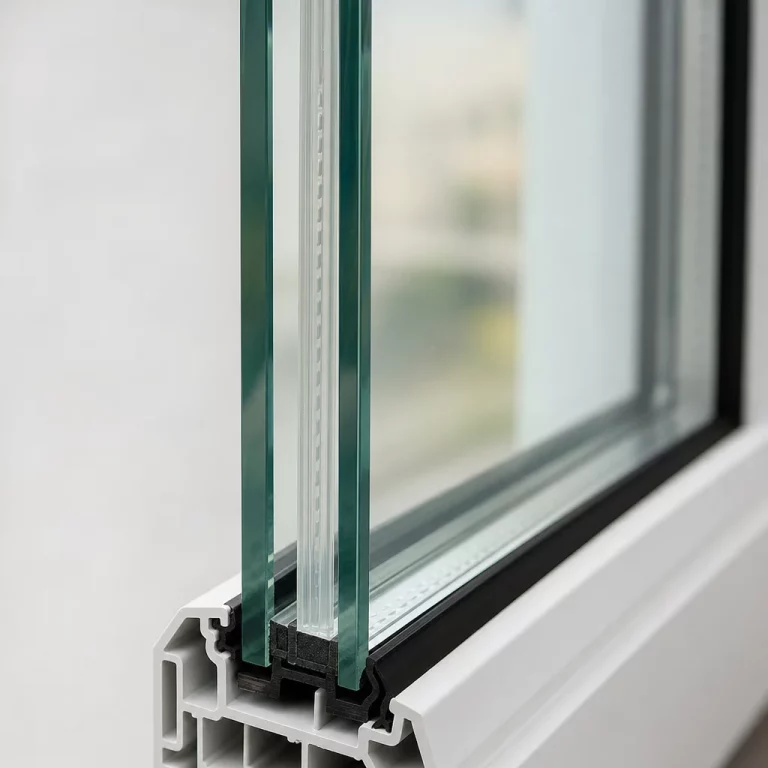
Modern building codes require significantly better thermal performance than original windows provided. Achieving ENERGY STAR™ certification while maintaining historic appearance requires careful product selection. Triple pane windows offer superior insulation but may be too thick for some historic profiles.
Options include:
- Low-E windows with invisible coatings that preserve clarity
- Argon gas windows for enhanced insulation without thickness
- Warm edge spacers that reduce condensation
- Insulated frames that match original dimensions
Installation Complexity
Working in older homes presents challenges that increase labour costs:
- Access limitations: Narrow staircases, low doorways, and tight spaces complicate material delivery
- Plaster walls: Require careful handling to prevent cracking during installation
- Irregular openings: Need shimming and custom fitting that takes extra time
- Lead paint concerns: Homes built before 1978 may require containment and specialized disposal
- Asbestos presence: Some old window caulking contains asbestos requiring professional abatement
Material Selection Impact
Your choice of frame material dramatically affects both cost and authenticity:
Vinyl: Most affordable at $200-$600 per window. Modern vinyl windows offer excellent energy performance and low maintenance. However, they may not satisfy heritage requirements and can look out of place on period homes.
Aluminum: Costs 15-30% more than vinyl but provides slim profiles that better match historic steel or metal windows. Powder coating allows custom colours. These work exceptionally well for mid-century modern homes or properties with original steel windows.
Wood: Authentic choice for heritage homes at $500-$1,500 per window. Requires ongoing maintenance but provides unmatched historical accuracy. Wood windows can be custom-milled to exact historic profiles.
Fiberglass: Premium option at $600-$1,200 per window. Extremely durable and can be painted to match any colour scheme. Mimics wood grain while offering superior dimensional stability.
Window Configuration Complexity
Historic homes often feature complex window arrangements that increase costs:
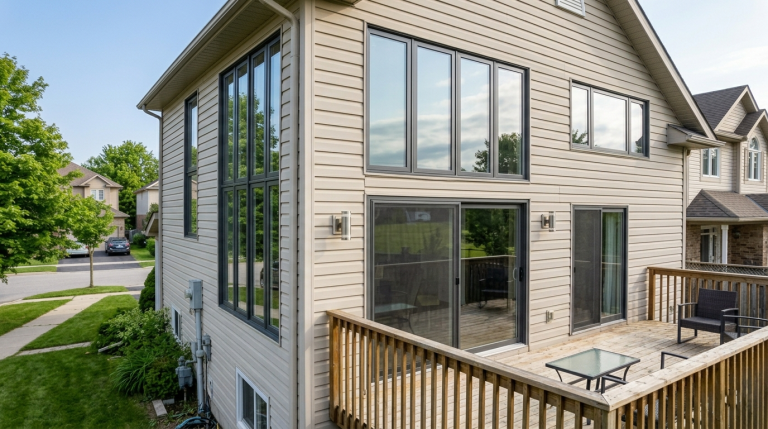
- Grouped windows: Multiple units side-by-side require precise alignment
- Unusual shapes: Arched, circular, or custom geometric designs need specialized fabrication
- Integrated transoms: Fixed upper sections above operable windows
- Decorative elements: Stained glass, beveled glass, or etched patterns
How to Reduce Window Replacement Costs in Your Historic Home
Strategic planning can significantly lower your investment while maintaining quality and historical integrity.
1. Prioritize Windows by Condition and Impact
Not all windows need immediate replacement. Focus first on units with:
- Severe air leakage causing high energy bills
- Structural damage compromising weather protection
- Failed seals with visible condensation between panes
- Safety issues like broken locks or inoperable sashes
- Street-facing locations that impact curb appeal most
Replace remaining windows in future phases when budget allows. This phased approach spreads costs over time while addressing urgent needs first.
2. Consider Restoration Instead of Replacement
Original windows in good structural condition can often be restored for less than replacement costs. Professional restoration includes:
- Repairing and reinforcing existing frames
- Installing new weatherstripping and hardware
- Reglazing with modern insulated glass units
- Refinishing wood surfaces
- Adding storm windows for improved efficiency
Restoration typically costs $300-$700 per window versus $650-$1,200 for replacement. It preserves original materials and may be required for designated heritage properties.
3. Mix Materials Strategically
Use premium materials only where visible and required. Consider:
- Wood or aluminum for front-facing windows
- Vinyl for rear or side elevations not subject to heritage review
- Standard sizes where they fit to avoid custom charges
- Simulated divided lights instead of true divided lights where acceptable
This balanced approach maintains street presence while controlling costs on less visible areas.
4. Leverage Available Rebates and Incentives
Canadian homeowners can access several programs that offset window replacement costs. The window rebate Ontario programs include:
- Canada Greener Homes Grant: Up to $5,000 for energy efficiency upgrades
- Provincial rebates for ENERGY STAR™ certified products
- Municipal heritage grants for designated properties
- Utility company incentives for energy-efficient upgrades
These programs can reduce your net cost by 10-25%. Requirements typically include professional energy assessments and certified product installation.
5. Bundle Work and Negotiate
Replacing multiple windows simultaneously reduces per-unit installation costs. Contractors offer better rates for larger projects because:
- Single mobilization covers all windows
- Bulk material ordering provides discounts
- Efficient workflow reduces labour hours
- Less disruption to your household
Request itemized quotes from multiple installers. Compare not just total price but also warranty coverage, timeline, and included services like disposal and trim work.
6. Time Your Project Strategically
Window companies often offer better pricing during slower seasons. Fall and winter installations (when weather permits) may cost 10-15% less than peak spring and summer periods. However, ensure installers can properly seal and insulate in cold conditions.
Find the Best Window Styles for your Home
Working With Professional Installers for Historic Properties
Selecting the right contractor makes the difference between a successful project and costly problems. Look for companies with specific experience in older homes. They understand the unique challenges and have solutions ready.
When you upgrade your home’s windows, choose installers who:
- Provide references from similar historic home projects
- Understand heritage approval processes
- Carry appropriate liability insurance for older structures
- Offer comprehensive warranties on both products and installation
- Use proper techniques to protect plaster and trim during work
Total Home Windows and Doors brings extensive experience working with older properties throughout the GTA. Our BBB A+ rating and 4.9 Google rating reflect our commitment to quality workmanship. We understand the balance between preserving historical character and improving modern performance.
Best window companies reviews
Energy Performance Considerations for Period Homes
Original single-pane windows lose tremendous amounts of heat. Modern replacements can reduce energy consumption by 25-40% while maintaining period appearance. This translates to $200-$600 annual savings on heating and cooling costs.
Key performance features to specify:
- U-Factor below 0.30: Measures heat transfer; lower numbers mean better insulation
- ENERGY STAR™ certification: Ensures products meet rigorous efficiency standards for Canadian climate zones
- Solar Heat Gain Coefficient: Controls passive solar heating; optimize based on window orientation
- Air Leakage Rating: Lower ratings prevent drafts and energy loss
Modern double pane windows provide excellent thermal performance while remaining thin enough for most historic applications. The TotalSeal Multi-Point Locking System ensures airtight closure that prevents drafts common in older window designs.
Common Mistakes to Avoid
Homeowners often make errors that increase costs or compromise results. Avoid these pitfalls:
- Choosing windows based solely on price: The cheapest option rarely delivers the best value. Poor quality windows fail prematurely and don’t provide promised energy savings.
- Ignoring heritage guidelines: Installing non-compliant windows may require expensive replacement and can affect property value and resale.
- Overlooking structural issues: Failing to address rot, settling, or framing problems before installation leads to poor performance and premature failure.
- Mismatching architectural style: Modern window styles look out of place on period homes. Match proportions, muntin patterns, and profiles to your home’s era.
- Skipping proper insulation: The gap between new windows and rough openings must be properly insulated and sealed. Poor installation negates the benefits of efficient windows.
Timeline and Project Planning
Realistic scheduling prevents frustration and ensures quality work. Typical timelines for historic home window replacement:
- Heritage approval: 4-12 weeks depending on jurisdiction
- Custom window fabrication: 6-10 weeks from order to delivery
- Installation: 1-3 days per 10 windows, depending on complexity
- Interior finishing: Additional 1-2 days for trim and paint touch-up
Start planning at least 4-6 months before your desired installation date. This allows time for approvals, ordering, and scheduling during your preferred season.
Protecting Your Investment
Quality windows properly installed should last 20-30 years with minimal maintenance. Protect your investment through:
- Annual inspection of seals, weatherstripping, and hardware
- Cleaning frames and glass with appropriate products
- Lubricating moving parts and adjusting as needed
- Promptly addressing any condensation or air leakage issues
- Maintaining proper drainage at sills and weep holes
Register your warranty immediately after installation. Document the work with photos and keep all paperwork. This proves compliance if you later sell the property and helps with any warranty claims.
Making the Final Decision
Replacing windows in a historic home requires balancing multiple priorities: preserving architectural character, improving energy efficiency, meeting budget constraints, and complying with heritage requirements. The investment typically ranges from $8,000 to $25,000 for a complete home, depending on size and specifications.
Focus on finding the right partner who understands your specific needs. Companies like Total Home Windows and Doors combine technical expertise with respect for historical architecture. Our ENERGY STAR™ certified products deliver modern performance while maintaining the character that makes your home special.
The right windows enhance comfort, reduce energy costs, and protect your home for decades to come. They’re not just a maintenance expense—they’re an investment in your property’s future value and your daily quality of life. When done properly, window replacement respects your home’s past while preparing it for many more years of service.
Frequently Asked Questions (FAQ)
Can I replace windows in a heritage home without approval?
No, designated heritage properties require approval before exterior modifications. Contact your local heritage committee early in planning. Unapproved changes may require costly reversal and can affect property designation status and resale value.
Are vinyl windows acceptable for historic homes?
It depends on heritage designation and local guidelines. Many jurisdictions accept vinyl on non-designated homes or rear elevations. Street-facing windows on designated properties typically require wood or aluminum to maintain historical appearance and architectural integrity.
How much more do custom-sized windows cost?
Custom windows typically add $150-$400 per unit compared to standard sizes. The exact premium depends on how far dimensions deviate from stock sizes and complexity of the design. Custom shapes like arches or circles cost significantly more.
Should I restore original windows or replace them?
Restoration works best when frames are structurally sound and heritage guidelines require original materials. Replacement makes sense for severely damaged windows or when energy efficiency is a priority. Compare quotes for both approaches before deciding on your project.
Do new windows really save enough energy to justify the cost?
Yes, modern windows can reduce heating and cooling costs by 25-40% compared to single-pane originals. Typical payback period is 8-15 years through energy savings alone, not counting improved comfort, reduced maintenance, and increased home value from the upgrade.