

Old windows can add a lot to your heating bill. Natural Resources Canada says windows, doors, and skylights account for up to 35% of a home’s heat loss, and a single-glazed window loses 10 to 20 times more heat than the same area of insulated wall. For most GTA homes, that waste shows up as a noticeably higher winter bill.
- Windows, doors, and skylights can cause up to 35% of total house heat loss, so old units quietly raise your heating bill.
- A single-glazed window loses 10 to 20 times as much heat as a well-insulated wall of the same size.
- Low-E coatings cut heat loss in winter and heat gain in summer by up to 50%.
- Most Canadian homeowners save roughly $150 to $500 a year after switching to ENERGY STAR™ certified windows.
- Old, draughty windows also cause cold spots, condensation, and a furnace that runs longer than it should.
If your house feels draughty near the glass, or your furnace seems to run non-stop in January, your windows are a likely culprit. This guide explains how much old windows really cost you, why they leak heat, and what you can expect to save by upgrading. We work with GTA homeowners on this every winter, so the numbers below come from real Canadian conditions, not generic estimates.
How Much Do Old Windows Add to Your Heating Bill?
Old windows can raise your heating bill by 10% to 25%, depending on their age, condition, and glazing. Natural Resources Canada attributes up to 35% of a home’s heat loss to windows, doors, and skylights combined, and older single-pane or failed double-pane units are the worst offenders. The leakier the window, the longer your furnace runs to hold the same temperature.
The exact dollar figure depends on your home size, your heating fuel, and how cold your winters get. A drafty older home in the GTA can lose far more heat than a tightly sealed newer one. The good news is that this is one of the few energy losses you can see and feel, which makes it easier to fix.
Window and Doors Replacement Near Me
Why Do Old Windows Lose So Much Heat?
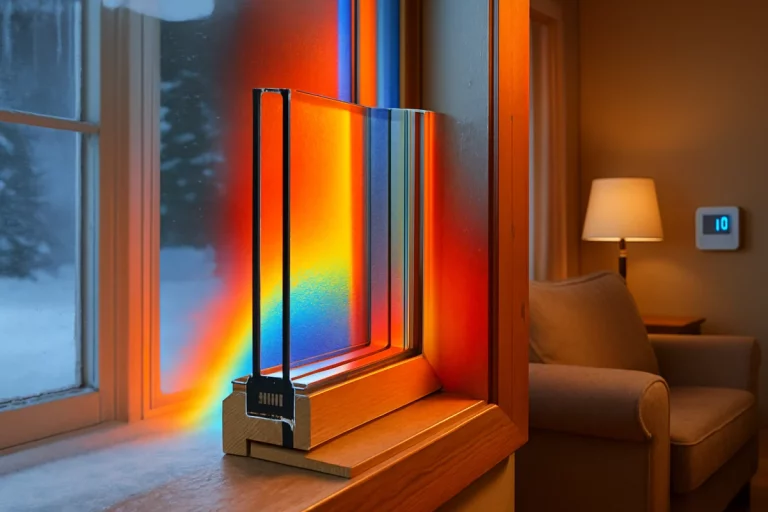
Old windows lose heat in three main ways: conduction through the glass and frame, air leakage around worn seals, and radiation from a single cold pane. A modern window fights all three with extra panes, special coatings, and an insulating gas fill. An old window usually has none of these defences.
Natural Resources Canada notes that a single pane of glass is a poor insulator on its own. Add decades of wear to the weatherstripping and the seals, and cold air finds its way in around the edges. That mix of leaking air and cold glass is what drives your bill up.
The Glass Itself (Glazing)
The number of panes makes a big difference. A single-glazed window has one layer of glass and very little resistance to heat loss. A double-glazed unit traps an insulating layer of gas between two panes, and a triple-glazed unit adds a third. If you want the full picture, our guide to window glass units breaks down how sealed units are built.
Worn Seals and Weatherstripping
Even a decent older window leaks once the seals harden and crack. You feel this as a draught on a windy day. Sometimes you can slow it down yourself; our tips on how to insulate windows cover quick seasonal fixes like caulking and weatherstripping.
Failed Sealed Units
If you see fog or moisture trapped between the panes, the seal has failed and the insulating gas has escaped. That window now performs more like a single pane. Our article on foggy windows explains when this means the unit needs replacing.
Find related services
The Numbers That Matter
of a home’s heat can escape through windows, doors, and skylights (NRCan)
more heat lost through a single-glazed window than through an equal area of insulated wall (NRCan)
less heat loss from low-E coatings compared with plain glass (NRCan)
Explore energy-efficient options
How Much Can You Save by Replacing Old Windows?
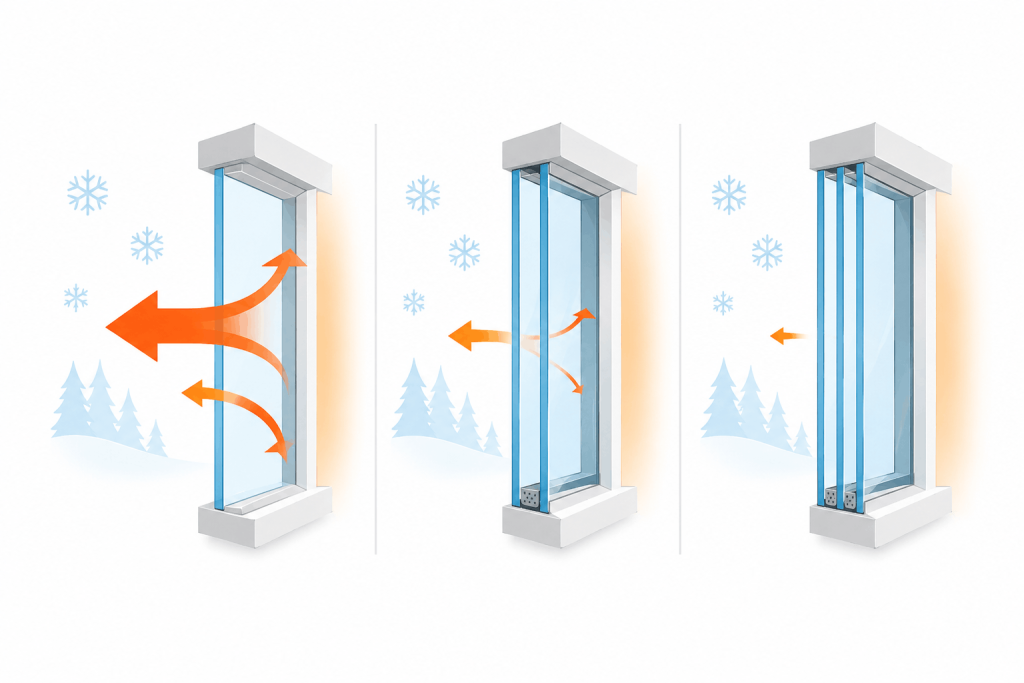
How much heat old windows lose, and how much a modern sealed unit holds back
Most Canadian homeowners save about $150 to $500 a year after upgrading to ENERGY STAR™ certified windows, with larger whole-home projects at the higher end. The saving depends on how poor your old windows were, your home’s size, and your heating fuel. Replacing failed single-pane windows usually delivers the biggest jump.
Beyond the bill, you get a more comfortable home: fewer draughts, warmer glass, and less condensation on cold mornings. Many homeowners say the comfort change is what they notice first, before they even see the savings. To compare options, see our look at double versus single-pane windows.
Find the Best Window Styles for your Home
Old Windows vs ENERGY STAR™ Certified Windows
The table below shows how an old single-pane window compares with the kinds of windows we build today. The U-factor measures heat loss, and a lower number is better.
| Feature | Old single-pane | Double-pane (low-E, argon) | Triple-pane |
|---|---|---|---|
| Panes of glass | 1 | 2 | 3 |
| Typical U-factor | Around 5.0 | 1.2 or lower | As low as 0.8 |
| Low-E coating | No | Yes | Yes |
| Gas fill | None | Argon | Argon or krypton |
| Winter comfort | Cold glass, draughts | Warm glass | Warmest, quietest |
| Best for | Replacement candidate | Most GTA homes | Cold or noisy sites |
The double-glazed and triple-glazed U-factors above come from NRCan’s window rating guidance. For most homes in our climate, a quality double-pane unit with low-E glass is the sweet spot, while a triple-glazed window makes sense on the coldest or noisiest sites.
“Most of the heating complaints we see in older homes trace back to the windows. Once we swap a single pane for a low-E sealed unit, the glass stays warm to the touch and the furnace stops short-cycling. People feel the difference the first cold night.”
Best window companies reviews
Should You Replace Old Windows or Just Seal Them?
Seal them if the frames are sound and you only feel light draughts; replace them if the glass is single-pane, the seals have failed, or the frames are rotting. Sealing is a cheap, quick win that buys time, but it cannot turn a single pane into an insulated unit. At some point, replacement is the only way to stop the heat loss for good.
A simple rule of thumb helps you decide. If your windows are old but solid, start with the low-cost fixes below. If they are foggy, draughty, and decades old, put your money toward new ENERGY STAR™ certified units instead of patching them every winter.
Quick Fixes for Old Windows
- Re-caulk the gaps where the trim meets the wall.
- Replace cracked or flattened weatherstripping on the moving sash.
- Add interior storm windows or a heat-shrink film kit for winter.
- Use insulated curtains to cut radiant heat loss at night.
When Replacement Pays Off
Replacement makes sense when the savings and comfort outweigh more patching. These signs point to it:
Pros of Replacing Old Windows
- Lower heating bills, often $150 to $500 a year
- Warmer glass and fewer cold draughts
- Less condensation and frost in winter
- Quieter rooms and better resale appeal
Cons to Plan For
- Higher upfront cost than sealing
- A payback period that usually runs several years
- Some disruption during installation day
Do New Windows Pay for Themselves?
New windows pay for themselves over time through lower bills, though the payback period usually runs several years and varies by home. The colder your old windows and the higher your energy rates, the faster the maths works in your favour. Rebates can shorten that timeline.
Ontario homeowners should check current programs before buying, because they change often. Our overview of the window rebate in Ontario is a good starting point, and choosing the right product matters too; see our guide to the most efficient ENERGY STAR™ certified windows.
“For our winters, I steer most homeowners toward a low-E, argon-filled double pane. It handles GTA cold without the cost of triple glazing, and the energy rating is strong. We only push triple-pane when the home faces wind or a busy road.”
Which Windows Handle Canadian Winters Best?
ENERGY STAR™ certified windows with low-E glass and an argon or krypton gas fill handle Canadian winters best. They keep the inside pane warmer, which reduces draughts and condensation, and they cut the heat your furnace has to replace. The frame matters too, since an insulated frame loses less heat at the edges.
If you want the warmest, quietest result on an exposed site, triple glazing is worth the extra cost. For a deeper look at cold-climate performance, see our guide to the best windows for Canadian winters and our explainer on low-E windows.
Frequently Asked Questions
How much of my heating bill is lost through old windows?
Windows, doors, and skylights together can account for up to 35% of a home’s heat loss, according to Natural Resources Canada. Old single-pane or failed units sit at the high end, so they can add a meaningful share to your winter bill.
Do old windows really make the house colder?
Yes. A single cold pane and worn seals create draughts and cold spots near the glass. Your furnace then runs longer to hold the temperature, which both raises the bill and makes some rooms feel chilly.
How much can I save by replacing old windows?
Most Canadian homeowners save roughly $150 to $500 a year after upgrading to ENERGY STAR™ certified windows. Whole-home projects that replace many poor windows tend to land at the higher end of that range.
Is it cheaper to seal old windows or replace them?
Sealing is cheaper upfront and works well if the frames are sound and the glass is intact. If the windows are single-pane, foggy, or rotting, replacement saves more over time because sealing cannot fix poor glazing.
How long do new windows take to pay for themselves?
The payback period usually runs several years and depends on your old windows, home size, and energy rates. Rebates and very poor existing windows shorten it, while a milder setup lengthens it.
Are double-pane or triple-pane windows better for the GTA?
A low-E, argon-filled double pane suits most GTA homes and balances cost with performance. Triple-pane is best for the coldest or noisiest sites, where the extra insulation and sound control are worth the higher price.
The Bottom Line for Your Heating Bill
Old windows are one of the biggest, most fixable causes of a high heating bill. Sealing buys time, but if your windows are single-pane or failing, new ENERGY STAR™ certified units will cut the waste, warm up cold rooms, and start paying you back each winter. If you want real numbers for your home, book a free at-home estimate and we will measure the savings for your exact windows.
The heat-loss and performance figures here come from Natural Resources Canada’s home energy efficiency guidance, including its chapter on upgrading windows and doors. Savings ranges reflect commonly reported results for ENERGY STAR™ certified window upgrades in Canada and will vary by home, fuel, and climate. We did not include exact payback figures, because they depend too heavily on each home to quote responsibly.