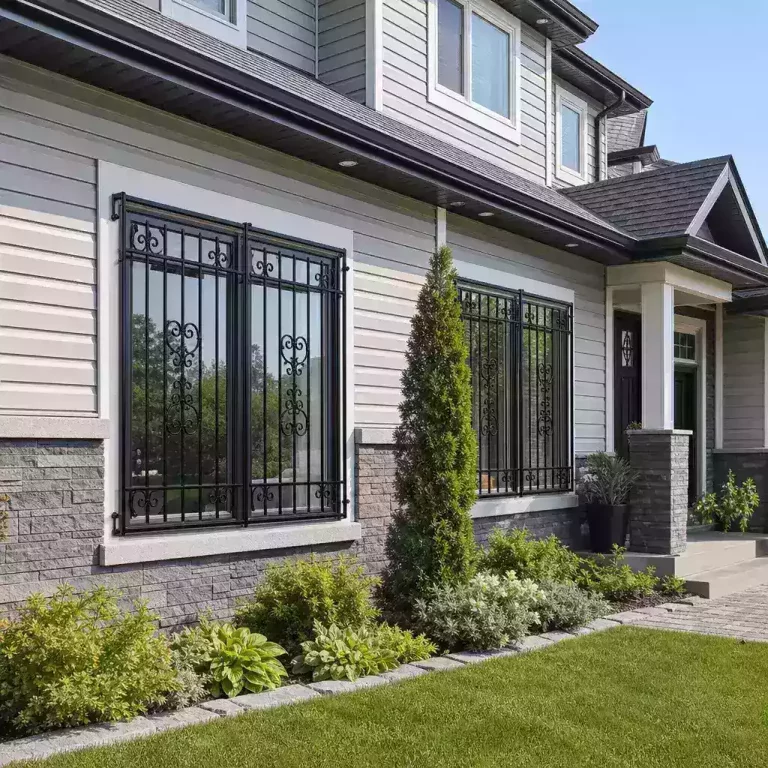


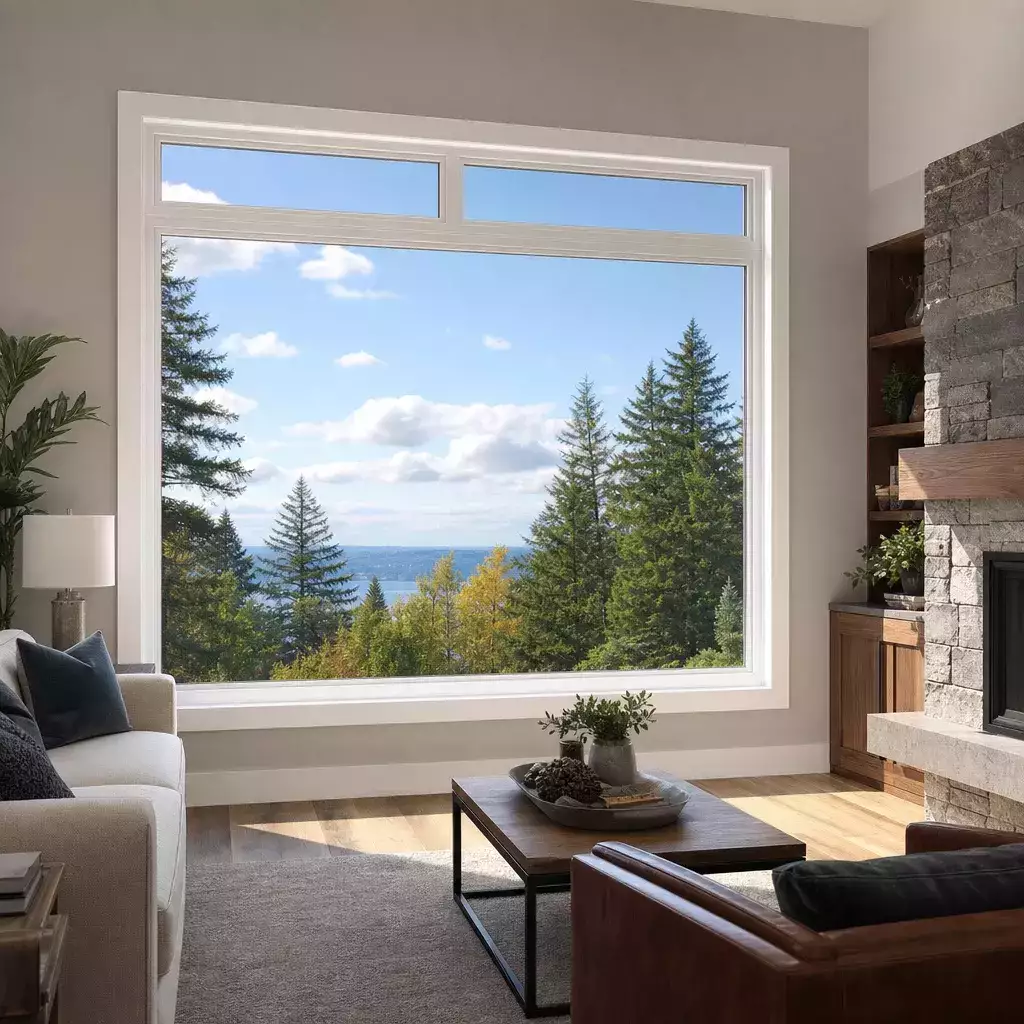
Picture window prices in Canada typically range from $160 to $4,000 installed, depending on size, glass type, and frame material. A standard medium-sized vinyl picture window costs between $270 and $430, while large custom units with premium features like triple-pane glass and Low-E coatings can exceed $2,500. These fixed windows offer unobstructed views and excellent energy efficiency when paired with ENERGY STAR™ certified glazing, making them a smart investment for homeowners looking to upgrade their vinyl windows while reducing heating costs.
How Much Do Picture Windows Cost by Size?
| Window Size | Vinyl Material Cost | Installed Cost | Best For |
|---|---|---|---|
| Small (under 36″) | $160–$250 | $350–$500 | Accent windows, bathrooms |
| Medium (36″–60″) | $270–$430 | $500–$750 | Living rooms, standard installations |
| Large (over 60″) | $2,560–$4,000 | $3,000–$5,500 | Feature walls, panoramic views |
The size of your picture window dramatically affects the final price. Small units work well as complementary elements alongside operable windows, while large installations become architectural focal points. When you calculate window replacement costs, remember that oversized glass requires specialized handling and reinforced framing, which increases both material and labour expenses.
Installation complexity also varies with size. Medium windows typically take 2-3 hours to install, while large custom units may require a full day plus structural modifications. The weight of larger glass panes necessitates additional crew members and equipment, directly impacting your project budget.
Window and Doors Replacement Near Me
Picture Window Cost by Type and Configuration
Basic Fixed Picture Window
Cost: $160–$430
Standard fixed picture windows feature double-pane glass in vinyl frames. These entry-level units provide clear views and basic insulation suitable for moderate climates. They’re ideal for homeowners on tight budgets who still want natural light without sacrificing wall space for operable windows.
Basic configurations include standard rectangular shapes with white or beige vinyl frames. While they lack advanced coatings, they still meet minimum building code requirements for thermal performance. These windows work best in protected locations where extreme weather resistance isn’t critical.
Mid-Range Energy-Efficient Models
Cost: $500–$1,200
Mid-tier picture windows incorporate Low-E glass technology and argon gas fills between panes. This combination significantly reduces heat transfer, cutting energy bills by up to 25% compared to basic models. Most Canadian homeowners choose this category for the optimal balance between upfront investment and long-term savings.
These units often feature multi-chambered vinyl frames that enhance insulation. The TotalSeal Multi-Point Locking System isn’t applicable to fixed windows, but the frame engineering ensures airtight seals that prevent drafts. Colour options expand beyond white to include earth tones and contemporary greys.
“When homeowners invest in mid-range picture windows with proper glazing, they typically see a return on investment within 7-10 years through reduced heating costs. The key is matching the glass package to your specific climate zone.” — Vitaly Shapiro, Vice President of Sales
Premium and Custom Options
Cost: $1,500–$5,500+
High-end picture windows feature triple-pane glass configurations with multiple Low-E coatings and krypton gas fills. These premium units deliver maximum thermal performance, essential for harsh Canadian winters. Custom shapes like arched tops, trapezoids, or floor-to-ceiling designs fall into this category.
Aluminum-clad exteriors protect the frame from weather while maintaining vinyl’s interior insulation benefits. Homeowners can specify custom colours, decorative grilles, and specialized glass treatments like obscured or tinted options. Large architectural installations may require engineered structural support, adding $500–$2,000 to project costs.
For those considering aluminum window alternatives, expect prices 15-30% higher than comparable vinyl units. However, aluminum offers superior strength for oversized openings and contemporary aesthetics that complement modern architecture.
Find related services
What Factors Affect Picture Window Pricing?
Understanding cost variables helps you make informed decisions when planning your window project. Multiple elements combine to determine your final investment, from basic materials to installation complexity.
Glass Type and Energy Performance
The glazing package represents 40-50% of total window cost. Single-pane glass is rarely used in Canadian installations due to poor insulation. Double-pane windows offer baseline performance, while triple-pane units provide superior protection against temperature extremes.
Low-E coatings add $50–$150 per window but reduce heat loss by reflecting infrared light. Argon gas fills between panes improve insulation by 20% compared to air-filled spaces. ENERGY STAR™ certified windows qualify for potential rebates through Ontario window rebate programmes, offsetting initial costs.
- Standard clear glass: Baseline cost with minimal UV protection
- Low-E coated glass: Adds $50–$150, blocks 70% of UV rays
- Triple-pane with krypton: Premium option, adds $200–$400 per window
- Tempered or laminated glass: Safety glazing adds $100–$250
“Many clients underestimate how glass selection impacts long-term comfort. A properly specified glazing package doesn’t just save money—it eliminates cold spots near windows and reduces condensation issues that plague basic installations.” — Alexandr Naumov, Project Manager
Frame Material and Construction Quality
Vinyl remains the most popular frame material in Canada due to its affordability, low maintenance, and excellent insulation properties. Multi-chambered vinyl frames with reinforced corners provide structural integrity for large picture windows without warping or rotting.
Aluminum frames cost 15-30% more but offer slim sightlines and superior strength for oversized openings. Wood frames deliver classic aesthetics at premium prices, requiring regular maintenance to prevent moisture damage. Composite materials combine wood fiber with polymers for durability at mid-range pricing.
Window Dimensions and Custom Shapes
Standard rectangular sizes keep costs manageable, while custom dimensions trigger price increases. Manufacturers charge premiums for non-standard heights or widths that don’t align with their production templates. Curved tops, angular designs, or geometric shapes require specialized fabrication, adding 30-50% to base prices.
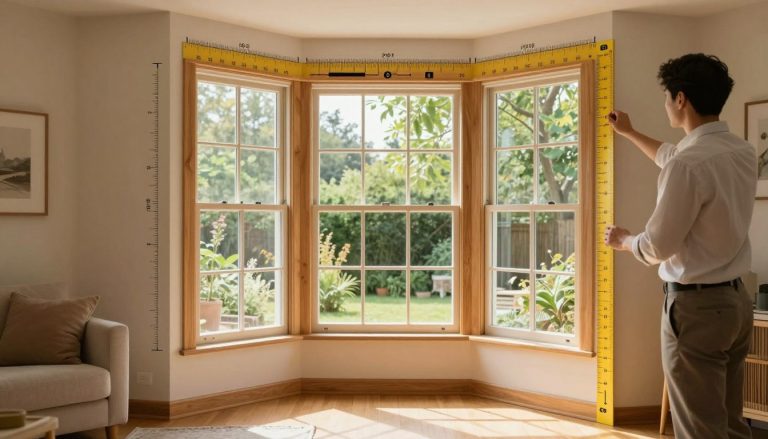
Large picture windows exceeding 60 inches in any dimension need reinforced frames and thicker glass to maintain structural integrity. The weight of oversized units complicates installation, requiring additional labour and equipment. When you measure windows for replacement, precise dimensions help avoid costly manufacturing errors.
Installation Complexity and Structural Modifications
Labour typically accounts for 25-40% of total project cost. Simple replacements in existing openings cost less than new installations requiring wall modifications. If you’re enlarging an opening or installing a picture window where none existed, expect to pay for framing lumber, header beams, and exterior finishing.
Structural changes may require building permits and inspections, adding $200–$500 to project expenses. Second-storey installations need scaffolding or lift equipment, increasing labour costs by 20-30%. Homes with brick or stone exteriors require careful masonry work around new openings, further elevating expenses.
- Basic replacement: Existing opening, no structural changes ($150–$300 labour)
- Moderate complexity: Minor framing adjustments, trim work ($300–$500 labour)
- Complex installation: New opening, header installation, exterior finishing ($500–$1,200 labour)
- Architectural project: Large custom unit, structural engineering ($1,200–$2,500+ labour)
Geographic Location and Regional Pricing
Labour rates vary significantly across Canadian regions. Toronto and Vancouver command premium prices due to higher living costs, while smaller Ontario cities offer more competitive rates. Rural installations may include travel surcharges if you’re outside a contractor’s standard service area.
Climate zones influence product selection and pricing. Northern regions require higher-performance glazing to meet energy code requirements, while milder coastal areas can use less expensive configurations. Always specify windows that meet or exceed your local building code standards.
Explore energy-efficient options
How to Reduce Picture Window Costs Without Sacrificing Quality
1. Choose Standard Sizes and Configurations
Manufacturers produce common dimensions in higher volumes, reducing per-unit costs. Selecting standard sizes from a supplier’s catalogue avoids custom fabrication charges. If your opening allows flexibility, adjusting measurements by a few inches to match stock sizes can save $200–$400 per window.
Rectangular shapes cost significantly less than arched or geometric designs. While custom shapes create visual interest, sticking with simple profiles keeps your project budget-friendly. You can achieve design impact through strategic placement rather than elaborate configurations.
2. Optimize Your Glass Package
Don’t over-specify glazing for your climate zone. Southern Ontario homeowners typically need double-pane Low-E glass with argon fills, while northern regions benefit from triple-pane configurations. Consult the Natural Resources Canada energy efficiency guidelines to determine appropriate specifications for your area.
Consider which windows face harsh weather exposure. South-facing picture windows might warrant premium glass for UV protection, while north-facing units can use standard Low-E coatings. Strategic glazing selection balances performance with cost management across your entire project.
3. Time Your Installation Strategically
Window companies often offer discounts during slower seasons, typically late autumn and winter months. While installing windows during Canadian winters requires careful planning, you can save 10-20% on materials and labour. Spring and summer represent peak season when contractors command premium rates.
Bundling multiple window replacements into a single project reduces per-unit installation costs. Contractors offer better pricing when they can complete all work during one mobilization rather than multiple service calls. If you’re planning whole-home upgrades, coordinate everything simultaneously for maximum savings.
4. Handle Prep Work Yourself
Removing old windows, clearing work areas, and disposing of debris yourself can reduce labour charges by $100–$200 per opening. Contractors appreciate arriving at job sites ready for installation rather than spending billable hours on preparatory tasks.
Interior trim removal and painting represent additional DIY opportunities. If you’re comfortable with basic carpentry, handling finish work after professional installation saves money while maintaining warranty coverage on the window itself. Always clarify with your contractor which tasks you can safely complete without voiding guarantees.
5. Compare Quotes from Multiple Suppliers
Request detailed estimates from at least three reputable companies. Compare not just bottom-line prices but also specifications, warranty terms, and included services. The lowest bid isn’t always the best value if it compromises quality or lacks proper insurance coverage.
Look for companies with strong reputations like Total Home Windows and Doors, which maintains BBB A+ accreditation, Google rating of 4.9, and Homestars rating of 5.0. Established manufacturers stand behind their products with comprehensive warranties and responsive customer service when issues arise.
Find the Best Window Styles for your Home
Picture Window vs. Other Fixed Window Options
| Window Type | Cost Range (Installed) | Key Advantage | Best Application |
|---|---|---|---|
| Picture Window | $350–$5,500 | Unobstructed views, maximum light | Living rooms, feature walls |
| Fixed Casement | $410–$900 | Matches operable casement style | Flanking operable units |
| Bay Window | $1,190–$2,630 | Creates interior space, dimension | Dining areas, reading nooks |
| Bow Window | $1,190–$2,630 | Curved elegance, panoramic views | Master bedrooms, formal spaces |
Picture windows offer the most affordable option for large glass expanses. Unlike bay or bow configurations that project outward, picture windows install flush with exterior walls, simplifying installation and reducing structural requirements. This makes them ideal when you want maximum daylight without the complexity of angled assemblies.
Combining picture windows with flanking operable units creates functional ventilation while maintaining expansive views. A popular configuration pairs a large central picture window with casement windows on each side, balancing aesthetics with practical airflow. This approach costs less than a single oversized operable window while delivering superior performance.
Best window companies reviews
What Additional Costs Should You Expect?
Beyond the window unit and basic installation, several ancillary expenses affect your total project budget. Understanding these costs upfront prevents surprises when final invoices arrive.
- Exterior trim and finishing: $50–$200 per window for brick mould, J-channel, or custom casings
- Interior trim and casing: $75–$250 depending on material quality and complexity
- Drywall repair and painting: $100–$300 if installation damages surrounding walls
- Insulation and sealing: $25–$75 for spray foam and weatherstripping materials
- Permit fees: $100–$500 for new openings or structural modifications
- Disposal fees: $50–$150 for old window removal and debris hauling
If you’re replacing windows in a heritage home or dealing with unusual wall construction, additional costs may arise. Older homes sometimes have concealed structural issues that become apparent only during installation. Setting aside a 10-15% contingency budget helps manage unexpected expenses without derailing your project.
Are Picture Windows Worth the Investment?
Picture windows deliver exceptional value through multiple benefits. They flood interiors with natural light, reducing daytime lighting costs and improving mood and productivity. Studies show homes with abundant natural light sell faster and command higher prices, making quality windows a smart investment for future resale value.
Energy-efficient picture windows with ENERGY STAR™ certification can reduce heating and cooling costs by 15-25% compared to older single-pane units. In Canadian climates where heating represents a major household expense, these savings accumulate significantly over the window’s 20-30 year lifespan. When you replace aging windows, improved comfort and lower utility bills offset initial costs.
From an aesthetic perspective, picture windows create architectural focal points that enhance curb appeal. They frame outdoor views like living artwork, connecting interior spaces with surrounding landscapes. This visual connection to nature has documented psychological benefits, reducing stress and improving overall wellbeing.
Maintenance requirements remain minimal with quality vinyl frames. Unlike wood windows that need regular painting and sealing, vinyl units simply wipe clean and never rot or corrode. This long-term durability makes them particularly attractive for busy homeowners who want beautiful windows without ongoing upkeep demands.
When selecting picture windows, prioritize reputable manufacturers who stand behind their products. Total Home Windows and Doors offers ENERGY STAR™ certified units with comprehensive warranties, ensuring your investment delivers decades of reliable performance. Professional installation by experienced technicians guarantees proper sealing and optimal energy efficiency from day one.
Whether you’re building a new home or upgrading existing windows, picture units provide unmatched value for creating bright, comfortable living spaces. By understanding pricing factors and making informed choices about size, glazing, and installation timing, you can achieve your design goals while respecting budget constraints. The combination of energy savings, aesthetic impact, and minimal maintenance makes picture windows one of the most practical home improvement investments available to Canadian homeowners.
Frequently Asked Questions (FAQ)
How much does a large picture window cost installed?
Large picture windows over 60 inches cost between $3,000 and $5,500 installed, depending on glass type and frame material. Custom sizes and triple-pane configurations increase prices further. Structural modifications add $500–$2,000 to total expenses.
Are picture windows more expensive than regular windows?
Picture windows typically cost less than comparable operable windows because they lack mechanical hardware. A medium picture window runs $500–$750 installed versus $600–$900 for a similar-sized casement window. Larger sizes show greater savings.
Can I install a picture window myself?
DIY installation is possible for experienced homeowners with proper tools, but professional installation ensures warranty coverage and optimal performance. Improper sealing causes air leakage and moisture problems. Labour costs represent only 25-40% of total expenses, making professional installation worthwhile.
How long do picture windows last?
Quality vinyl picture windows last 20-30 years with minimal maintenance. The sealed glass units may need replacement after 15-20 years if seals fail, causing condensation between panes. Premium windows with better warranties often exceed 30-year lifespans.
Do picture windows qualify for energy rebates?
ENERGY STAR™ certified picture windows qualify for various federal and provincial rebate programmes. Savings range from $50–$250 per window depending on current incentives. Check programme requirements as specifications and funding availability change regularly throughout the year.