

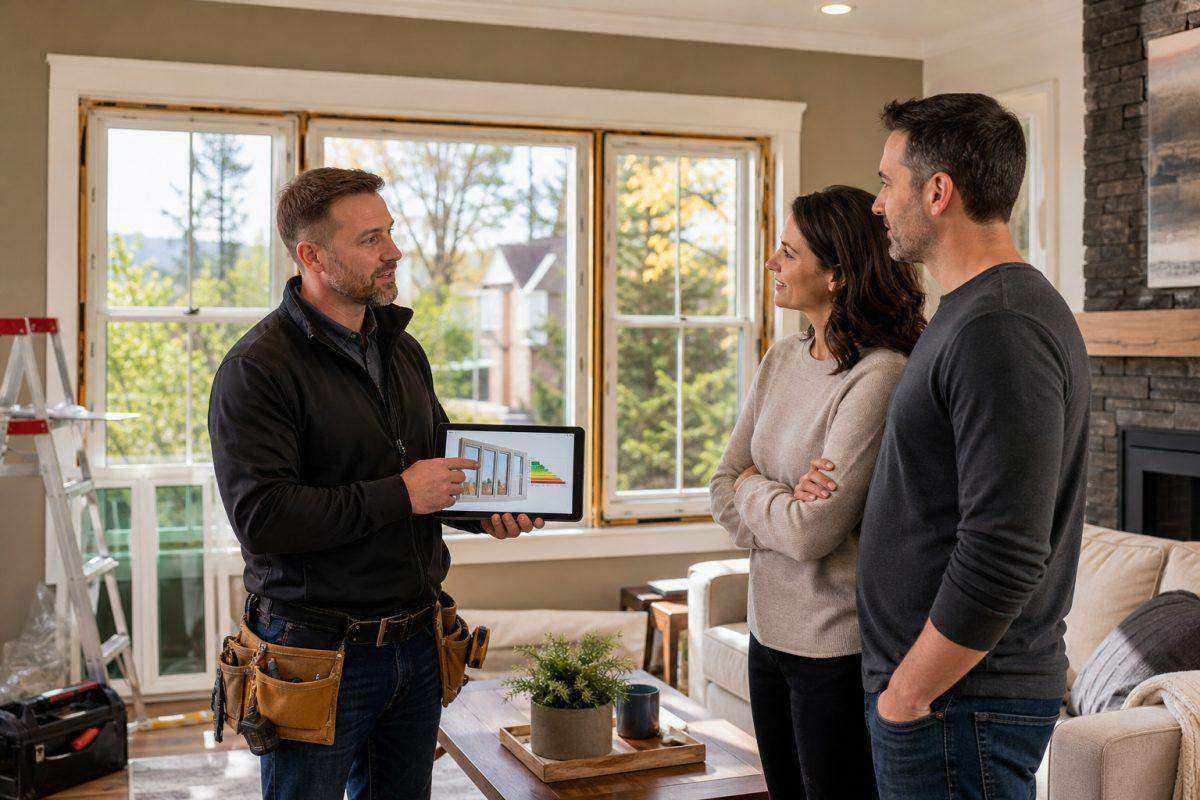
When hiring a window replacement contractor, ask about their licencing, insurance coverage, warranty terms, installation timeline, and whether their products meet ENERGY STAR™ certification standards. Verify their experience with your specific window type, request references from recent projects, and ensure they provide detailed written estimates that include all costs. Understanding their approach to project management, cleanup procedures, and post-installation support will help you select a reliable contractor who delivers quality workmanship and long-lasting results.
Key Takeaways
- Always verify the contractor’s licencing, insurance, and BBB accreditation before signing any agreements
- Request detailed written estimates that break down material and labour costs with no hidden fees
- Confirm warranty coverage for both products and installation workmanship
- Ask about ENERGY STAR™ certification and energy efficiency ratings for all window products
- Inquire about project timelines, cleanup procedures, and post-installation support services
Window and Doors Replacement Near Me
Why Should You Verify Contractor Credentials Before Hiring?
Checking credentials protects your investment and ensures you’re working with qualified professionals. A reputable contractor carries proper licencing and comprehensive insurance coverage that shields you from liability if accidents occur during installation. They should willingly provide proof of workers’ compensation and general liability insurance.
BBB accreditation with an A+ rating demonstrates a commitment to ethical business practices. Look for contractors with strong online reviews across multiple platforms. At Total Home Windows and Doors, we maintain a Google rating of 4.9 and Homestars rating of 5.0, reflecting our dedication to customer satisfaction.
Vitaly Shapiro, Vice President of Sales, explains: “Homeowners should never hesitate to ask for credentials. A trustworthy contractor will gladly share their licencing information, insurance certificates, and customer references. If someone seems reluctant, that’s a red flag to walk away.”
What Should Be Included in a Written Estimate?
A comprehensive written estimate eliminates confusion and prevents unexpected costs. The document should itemise all materials, labour charges, disposal fees, and any additional services like cut-out services or trim work. Vague estimates often lead to disputes when final bills arrive.
Request a breakdown that specifies window brands, models, and features. For instance, if you’re considering casement windows or double-hung windows, the estimate should list exact specifications including glass type, frame material, and hardware quality.
| Estimate Component | What to Look For |
|---|---|
| Material Costs | Specific product names, models, and quantities |
| Labour Charges | Hourly rates or flat fee with crew size |
| Timeline | Start date, completion date, and weather contingencies |
| Warranty Terms | Coverage duration for products and installation |
| Payment Schedule | Deposit amount and milestone payments |
Explore energy-efficient options
How Do You Assess a Contractor’s Experience With Your Window Type?
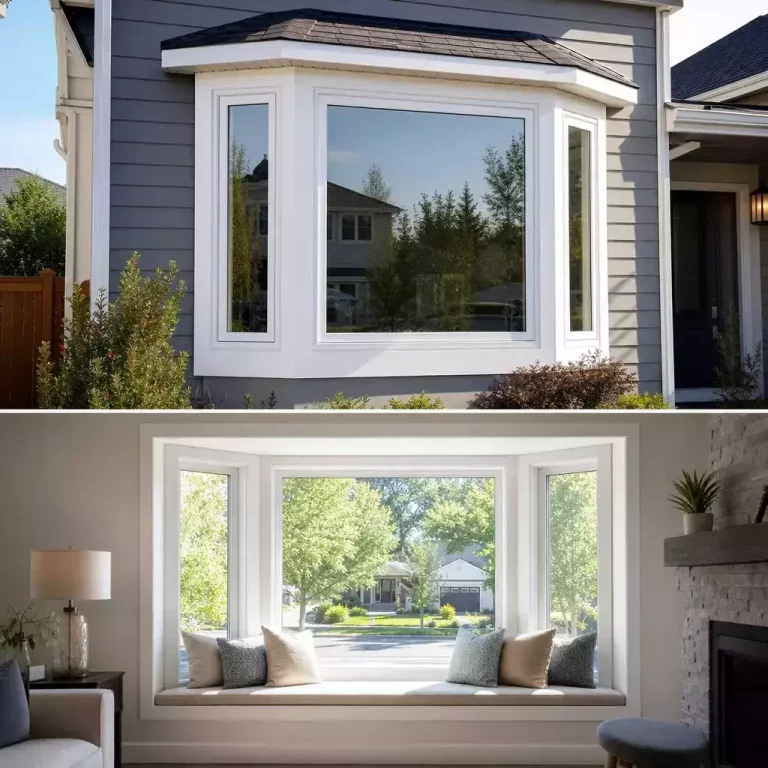
Different window styles require distinct installation techniques. A contractor experienced with bay windows might lack expertise in tilt and turn windows. Ask how many installations they’ve completed for your specific window type in the past year.
Request photos of completed projects similar to yours. Experienced contractors maintain portfolios showcasing their work across various window styles. They should explain challenges unique to your window type and how they address them. For specialty installations like egress windows, verify they understand building code requirements.
Daniel Klein, Project Manager, notes: “We’ve seen homeowners struggle with contractors who claim they can install any window type but lack specific experience. The installation process for bow windows differs significantly from slider windows. Always choose someone who’s handled your exact window style multiple times.”
Find the Best Window Styles for your Home
What Warranty Coverage Should You Expect?
Comprehensive warranty protection covers both product defects and installation workmanship. Manufacturer warranties typically range from 10 to 25 years for vinyl windows, whilst installation warranties should last at least two to five years. Clarify what circumstances void the warranty.
Ask whether the contractor offers a warranty that’s transferable if you sell your home. Quality contractors stand behind their work with written guarantees. The TotalSeal Multi-Point Locking System included with our windows demonstrates the level of quality that should come with solid warranty backing.
Key Warranty Questions to Ask
- What does the manufacturer’s warranty cover, and for how long?
- Does your company provide a separate installation warranty?
- Who handles warranty claims—the manufacturer or the contractor?
- Are there maintenance requirements to keep the warranty valid?
- What parts and labour are covered if problems arise?
Best window companies reviews
How Should Contractors Handle Project Timelines and Disruptions?
Realistic timelines prevent frustration and help you plan around the installation. A typical windows replacement project for an average home takes two to four days, depending on the number of units and complexity. Weather delays can extend timelines, so ask about contingency plans.
Discuss how the contractor minimises disruption to your daily routine. Professional installers protect your flooring, furniture, and landscaping throughout the project. They should explain their cleanup procedures and disposal methods for old windows and debris.
What Energy Efficiency Features Should You Prioritise?
Energy-efficient windows reduce heating and cooling costs whilst improving home comfort. Ask contractors about ENERGY STAR™ certified products and their performance ratings. Key metrics include U-factor, Solar Heat Gain Coefficient, and air leakage rates.
Modern energy efficient windows incorporate multiple technologies. Low-E windows feature microscopic coatings that reflect heat, whilst argon gas windows use inert gas between panes for superior insulation. Some homeowners benefit from triple pane windows in extremely cold climates.
| Window Feature | Energy Benefit |
|---|---|
| Low-E Coating | Reflects infrared light, keeping heat in during winter and out during summer |
| Argon Gas Fill | Reduces heat transfer between window panes |
| Multi-Pane Glass | Creates additional insulation barriers |
| Warm Edge Spacers | Minimises heat loss at glass edges |
Should You Request References From Recent Projects?
Speaking with previous customers reveals information you won’t find in marketing materials. Request at least three references from projects completed within the past six months. Ask these homeowners about communication quality, adherence to timelines, and how the contractor handled unexpected issues.
Visit completed installations if possible. Seeing finished work in person helps you evaluate craftsmanship quality. Check for proper sealing, smooth operation, and clean finishing details. Online reviews provide additional perspectives, but direct conversations offer deeper insights.
Questions to Ask References
- Did the contractor complete the project on time and within budget?
- How did they handle unexpected problems or changes?
- Were the installers respectful of your property and privacy?
- Would you hire this contractor again for future projects?
- Have you experienced any issues since installation was completed?
How Do Payment Terms Reflect Contractor Reliability?
Fair payment schedules protect both parties throughout the project. Be wary of contractors demanding large upfront deposits—typically 10-30% is reasonable. The majority of payment should come after satisfactory completion and final inspection.
Established contractors don’t require full payment before starting work. They have sufficient operating capital and relationships with suppliers. Review the payment schedule in your contract and ensure it ties payments to specific project milestones. Understanding window replacement cost helps you evaluate whether quoted prices align with market rates.
What Questions Should You Ask About Installation Methods?
Installation technique directly impacts window performance and longevity. Ask whether the contractor uses full-frame replacement or insert installation. Full-frame replacement removes the entire window unit including the frame, whilst insert installation places new windows within existing frames.
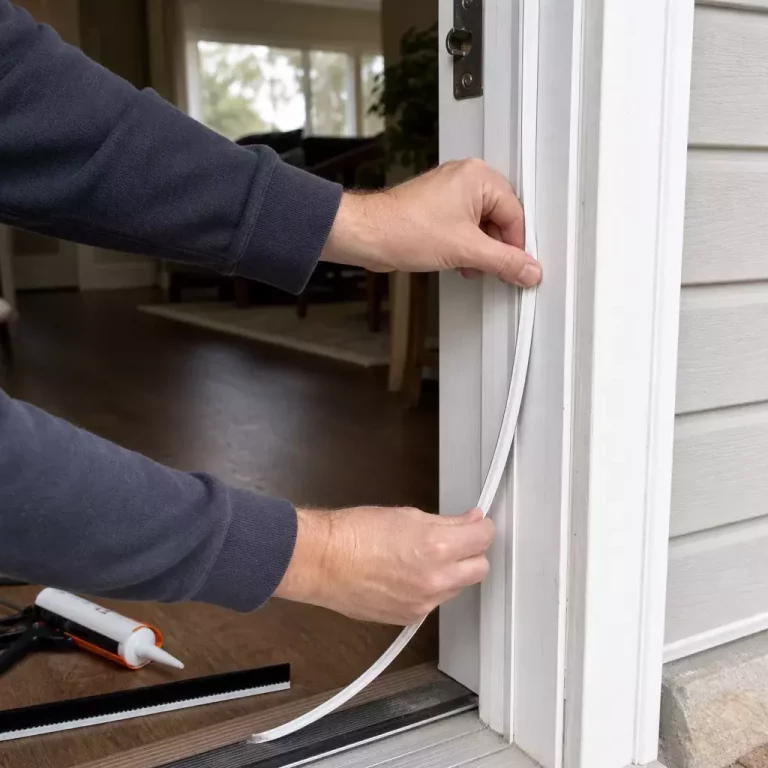
Proper installation requires attention to insulation, flashing, and weatherproofing. Contractors should explain their approach to air sealing and moisture barriers. For patio doors and larger openings, structural support becomes critical. Professional installers follow manufacturer specifications precisely to maintain warranty coverage.
- What type of insulation do you use around window frames?
- How do you ensure proper water drainage and prevent leaks?
- Do you follow manufacturer installation guidelines exactly?
- What tools and equipment do you use for precise measurements?
- How do you verify windows are level and square before securing them?
How Important Is Post-Installation Support?
Quality contractors maintain relationships with customers beyond project completion. Ask about their process for addressing concerns that arise after installation. Reputable companies respond promptly to service calls and honour their warranty commitments without hassle.
Inquire whether they provide maintenance guidance for your new windows. Understanding proper care extends product life and maintains performance. Some contractors offer periodic inspections or maintenance services. At Total Home Windows and Doors, we believe ongoing support distinguishes exceptional service from merely adequate work.
What Should You Know About Material Options?
Window frame materials significantly affect durability, maintenance requirements, and energy efficiency. Vinyl remains popular due to its affordability and low maintenance needs. Aluminum windows offer sleek profiles and strength, whilst fiberglass doors provide superior insulation and dimensional stability.
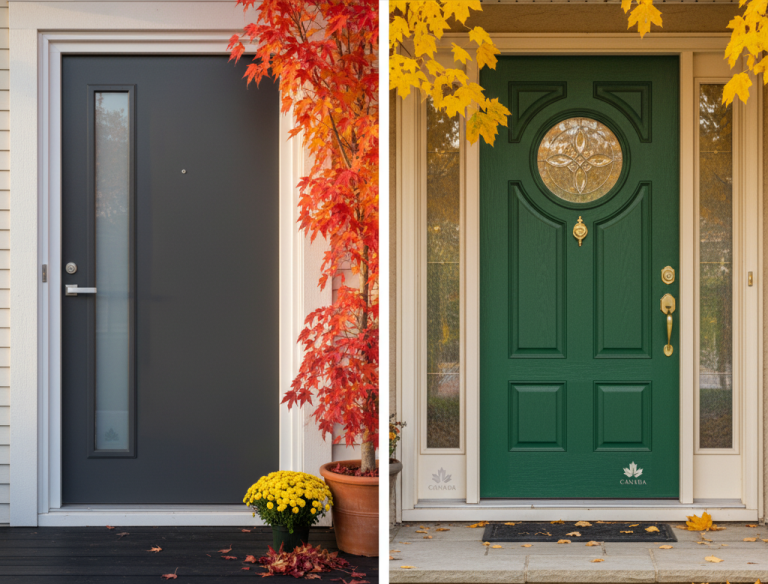
Each material suits different applications and budgets. Discuss your priorities—whether that’s maximum energy efficiency, minimal upkeep, or specific aesthetic preferences. Contractors should explain the pros and cons of each option honestly rather than pushing a single product line. For entry points, consider whether steel doors or fibreglass better meet your security and insulation needs.
Choosing the right window replacement contractor involves thorough research and asking pointed questions. Verify credentials, review detailed estimates, and assess their experience with your specific window types. Prioritise contractors who offer comprehensive warranties, realistic timelines, and transparent communication. By taking time to evaluate these factors, you’ll partner with professionals who deliver quality installations that enhance your home’s comfort, efficiency, and value for decades to come. Remember that the lowest bid rarely represents the best value—focus instead on proven expertise, quality materials like ENERGY STAR™ certified products, and contractors who stand behind their work with solid guarantees and responsive post-installation support.
Frequently Asked Questions (FAQ)
How long does a typical window replacement project take?
Most residential window replacement projects take two to four days, depending on the number of windows and complexity. Weather conditions and unexpected structural issues may extend timelines slightly.
Should I replace all windows at once or do it gradually?
Replacing all windows simultaneously offers better pricing through volume discounts and ensures consistent energy efficiency. However, phased replacement works if budget constraints exist or only certain windows need immediate attention.
Do I need permits for window replacement in Canada?
Most municipalities require permits for window replacement, especially for egress windows or structural changes. Your contractor should handle permit applications and ensure installations meet local building codes.
How much can new windows reduce my energy bills?
ENERGY STAR™ certified windows can reduce heating and cooling costs by 12-25% annually. Actual savings depend on your current windows’ condition, climate zone, and home insulation levels.
What’s the difference between manufacturer and contractor warranties?
Manufacturer warranties cover product defects and material failures, whilst contractor warranties address installation workmanship issues. Both are essential for complete protection and should be clearly documented in writing.