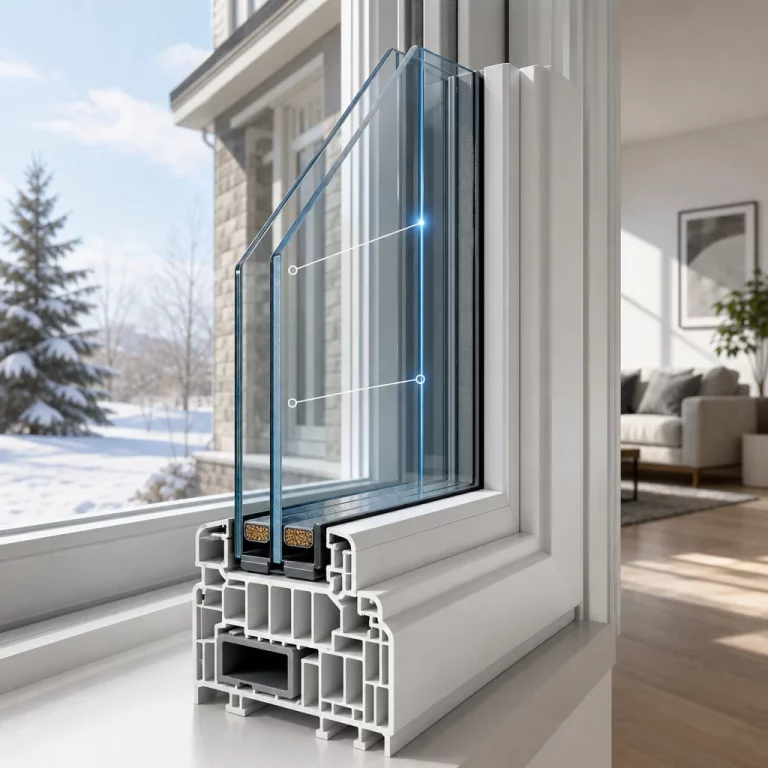


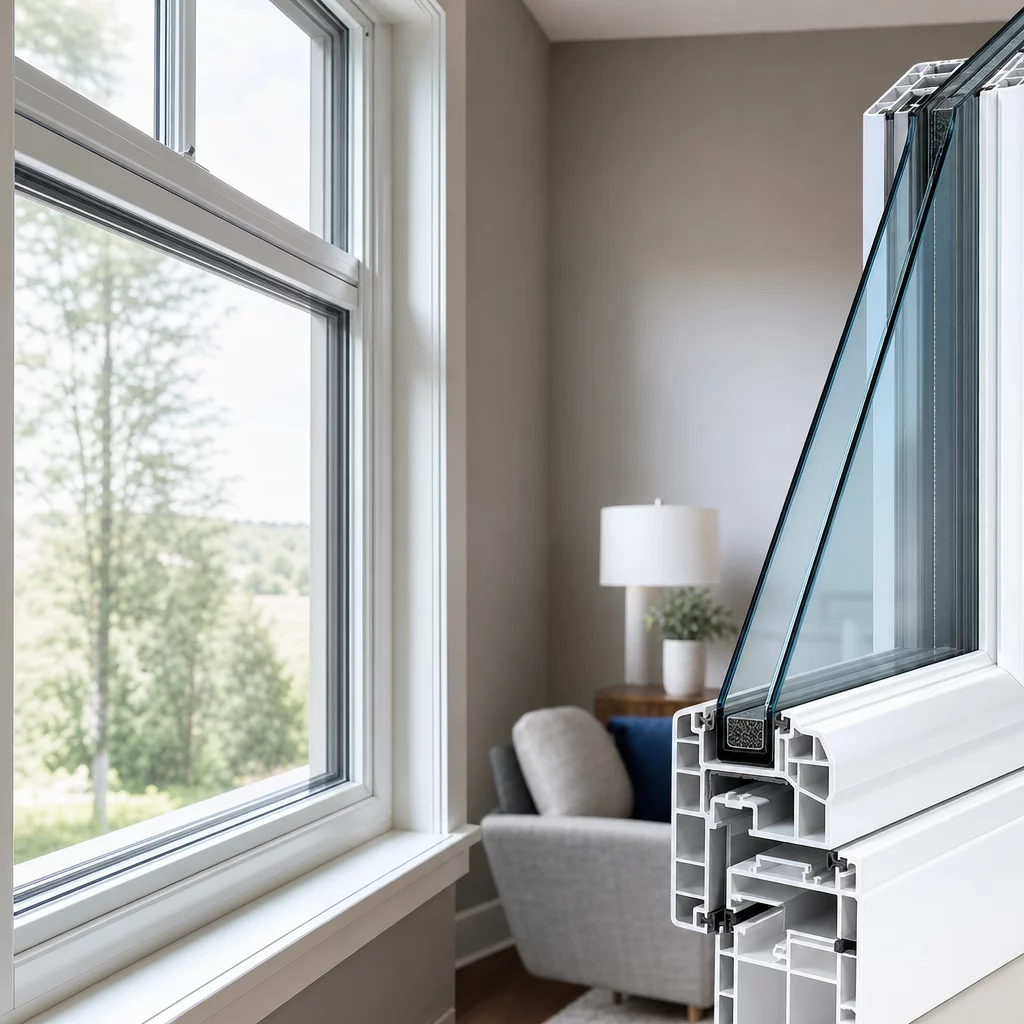
Argon gas windows typically add $40 to $150 per window to your total replacement cost, depending on size and configuration. This inert gas fills the space between panes in double or triple-glazed units, reducing heat transfer and improving insulation performance. For Canadian homeowners facing harsh winters, argon gas windows deliver measurable energy savings that often recover the initial investment within 5 to 8 years through lower heating bills.
Cost Breakdown Table
| Window Type | Standard Air-Filled | Argon Gas-Filled | Savings Potential |
|---|---|---|---|
| Basic Double-Pane | $220–$380 | $260–$480 | 10–15% energy reduction |
| Mid-Range Double-Pane | $380–$640 | $440–$750 | 15–20% energy reduction |
| Premium Triple-Pane | $560–$880 | $680–$1,100 | 20–30% energy reduction |
The price difference reflects manufacturing complexity and gas injection processes. Argon is denser than air, which slows convective heat movement between glass layers. When combined with Low-E coatings, these units achieve superior thermal performance that meets ENERGY STAR™ certification standards across all Canadian climate zones.
Window and Doors Replacement Near Me
What Is the Cost of Argon Gas Windows by Type?
Different window styles carry varying price points when upgraded with argon gas. Understanding these variations helps you budget accurately for your replacement project.
Basic Vinyl Windows with Argon Gas
Cost: $260–$480 per window installed
Entry-level vinyl windows with argon fill suit budget-conscious renovations. These units feature standard double-pane construction with basic frame profiles. While they lack advanced coatings, the argon fill still improves insulation by approximately 12% compared to air-filled equivalents.
Eugene Siukayev, Project Manager, notes that “homeowners often underestimate how much comfort improves with argon-filled windows, even in basic configurations.”
Mid-Range Windows with Argon and Low-E
Cost: $440–$900 per window installed
This category represents the sweet spot for most Canadian homes. Windows combine argon gas with Low-E coatings and improved frame engineering. The dual approach blocks radiant heat transfer while argon handles conductive losses. Double-pane windows in this range achieve U-factors between 0.25 and 0.28, meeting stringent Natural Resources Canada efficiency guidelines.
Premium Triple-Pane with Argon or Krypton
Cost: $680–$1,500+ per window installed
High-performance windows use triple-pane construction with argon or the denser krypton gas. These units deliver U-factors as low as 0.18, ideal for northern regions or passive solar designs. Custom shapes, larger sizes, and specialized coatings push costs higher. Vitaly Shapiro, Vice President of Sales, explains that “triple-pane argon windows make sense for exposed walls or rooms with extreme temperature swings—the comfort difference is immediately noticeable.”
Find related services
Argon Gas Window Costs by Style
| Window Style | Small (with Argon) | Medium (with Argon) | Large (with Argon) |
|---|---|---|---|
| Single Casement | $280–$420 | $450–$680 | $520–$800 |
| Double-Hung | $260–$390 | $420–$640 | $600–$920 |
| Single Sliding | $240–$350 | $380–$580 | $560–$850 |
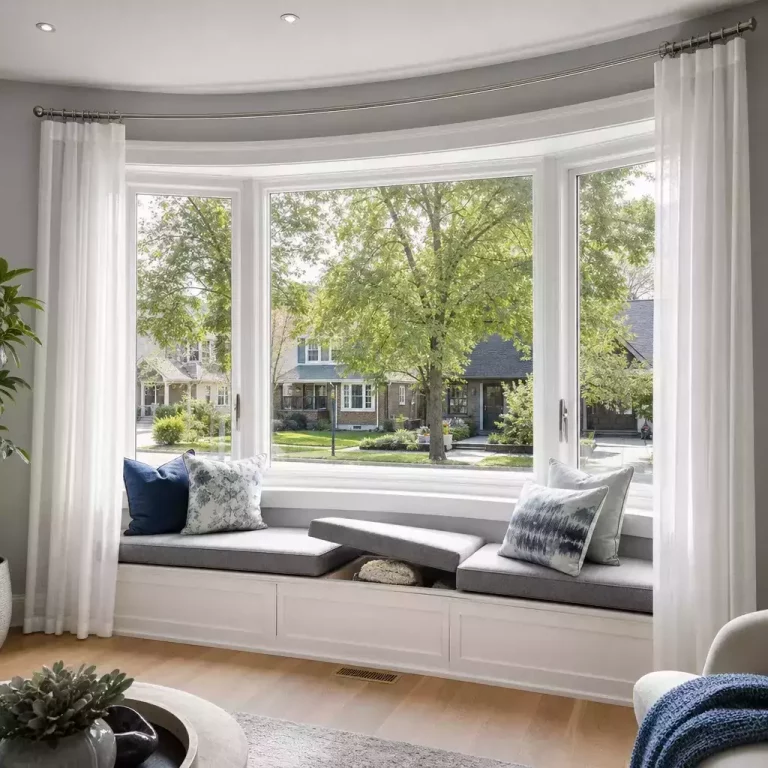
| Bay Window | $780–$1,240 | $1,330–$2,000 | $1,860–$2,870 |
| Fixed Picture | $200–$290 | $310–$470 | $2,700–$4,200 |
| Awning Window | $320–$480 | $520–$790 | $760–$1,170 |
Prices reflect complete installation by certified professionals. Larger units require more argon volume and reinforced frames, which explains the cost progression. Specialty shapes like bow windows or custom configurations add 20% to 40% to base pricing.
What Factors Affect Argon Gas Window Pricing?
Several variables influence your final investment beyond basic window dimensions. Recognizing these elements helps you make informed decisions during the selection process.
Glass Configuration and Pane Count
Double-pane units cost less than triple-pane alternatives, but the gap narrows when argon is included. Triple-glazed windows require two argon-filled chambers instead of one, increasing material and labour costs. The thermal benefit justifies the expense in climate zones 6 and 7, where winter temperatures regularly drop below -15°C.
Frame Material and Construction Quality
Vinyl frames offer the best value, while aluminum windows with thermal breaks cost 15% to 30% more. Fibreglass and composite materials fall between these extremes. Frame quality affects how well the unit retains argon over time—cheaper seals allow gas to escape, reducing long-term performance.
Low-E Coatings and Additional Treatments
Pairing argon with Low-E glass adds $30 to $80 per window but multiplies energy savings. Hard-coat and soft-coat Low-E options reflect infrared radiation differently. Soft-coat versions deliver better performance but require careful handling during manufacturing, which increases production costs.
Installation Complexity and Site Conditions
Standard window replacement runs $150 to $300 per opening for labour. Structural modifications, brick moulding removal, or second-storey access raise these figures. Homes built before 1980 often need cut-out services to accommodate modern window sizes, adding $200 to $500 per opening.
Geographic Location and Local Labour Rates
Installation costs vary across Canadian regions. GTA contractors charge premium rates compared to smaller cities. Northern communities face higher material shipping costs, while coastal areas require corrosion-resistant hardware that increases unit prices by 10% to 15%.
Warranty Coverage and Manufacturer Reputation
Premium manufacturers like Total Home Windows and Doors include comprehensive warranties covering seal failure and argon depletion. Budget brands may limit coverage to 5 years, while quality producers offer 20-year or lifetime protection. Extended warranties add $50 to $100 per window but protect your investment against premature gas loss.
Find the Best Window Styles for your Home
How Can You Reduce Argon Gas Window Costs?
Strategic planning cuts expenses without sacrificing performance. These approaches help you maximize value while staying within budget constraints.
Prioritize High-Impact Rooms First
Replace windows in rooms with the greatest heat loss—typically north-facing walls and large openings. Bedrooms and living spaces benefit most from upgraded insulation. Utility areas can wait for phase-two replacements once you’ve captured the biggest energy savings.
Bundle Window Orders for Volume Discounts
Manufacturers offer better pricing when you order 8 or more windows simultaneously. Installation crews also reduce per-unit labour costs for larger projects. Replacing all windows at once eliminates multiple site visits and setup fees.
Choose Standard Sizes Over Custom Dimensions
Stock window sizes cost 20% to 40% less than custom fabrication. If your rough openings accommodate standard dimensions, avoid bespoke orders. Minor trim adjustments during installation prove cheaper than custom manufacturing.
Consider Partial Upgrades on Select Windows
Install argon-filled units only where thermal performance matters most. South-facing windows gain less benefit in heating climates, so standard energy-efficient windows may suffice. Focus premium products on exposed elevations and shaded walls.
Time Your Purchase During Off-Peak Seasons
Window companies offer discounts during winter months when demand drops. January through March promotions can save 10% to 20% on materials and installation. Check current promotions before committing to full retail pricing.
Explore Government Rebate Programs
Provincial and federal programs subsidize energy-efficient upgrades. The Canada Greener Homes Grant provides up to $5,000 for qualifying window replacements. Argon-filled ENERGY STAR™-certified units typically meet eligibility requirements, reducing your net investment substantially.
“Homeowners who combine argon windows with proper insulation see the fastest payback periods. The gas fill works best when the building envelope is sealed correctly.” — Alexandr Naumov, Project Manager
Best window companies reviews
Are Argon Gas Windows Worth the Extra Cost?
The value proposition depends on your climate zone, existing window condition, and long-term ownership plans. Argon-filled units reduce heat loss by 15% to 30% compared to air-filled alternatives, translating to $150 to $400 annual savings for typical Canadian homes.
Payback periods range from 4 to 10 years based on energy rates and window count. Homes in colder regions recover costs faster due to extended heating seasons. The comfort improvement—reduced drafts, warmer interior glass surfaces, and less condensation—adds non-monetary value that many homeowners prioritize.
Performance Metrics That Matter
- U-Factor: Argon windows achieve U-factors between 0.22 and 0.28, compared to 0.30–0.35 for air-filled units. Lower numbers indicate better insulation.
- R-Value: The insulation rating improves by approximately R-1 to R-1.5 with argon fill, enhancing overall wall assembly performance.
- Condensation Resistance: Gas-filled chambers stay warmer on interior surfaces, reducing moisture buildup and potential mould growth.
- Sound Dampening: Argon’s density provides modest acoustic benefits, reducing outdoor noise by 2 to 4 decibels compared to air-filled windows.
“We see the biggest satisfaction scores from clients who upgrade to argon windows in bedrooms and home offices. The temperature stability makes these spaces more comfortable year-round.” — Cherry Jian, Sales Consultant
When Argon Makes the Most Sense
Certain situations maximize the return on argon-filled windows:
- Replacing single-pane windows: The performance jump is dramatic, with energy savings reaching 40% to 50% when upgrading from single glazing.
- Northern climate zones: Homes in regions with 5,000+ heating degree days benefit most from enhanced insulation properties.
- Large window walls: Expansive glazing areas lose significant heat, making argon fill particularly cost-effective for fixed picture windows and patio doors.
- Long-term ownership: If you plan to stay in your home for 7+ years, the cumulative savings justify the initial premium.
- Resale value considerations: ENERGY STAR™-certified windows with argon fill appeal to energy-conscious buyers and may command higher asking prices.
Maintenance and Longevity Factors
Quality argon windows from reputable manufacturers like Total Home Windows and Doors retain 80% to 90% of their gas fill after 20 years. Seal failure rates remain below 1% annually for properly manufactured units. Regular inspection of weatherstripping and frame seals ensures optimal performance throughout the window’s lifespan.
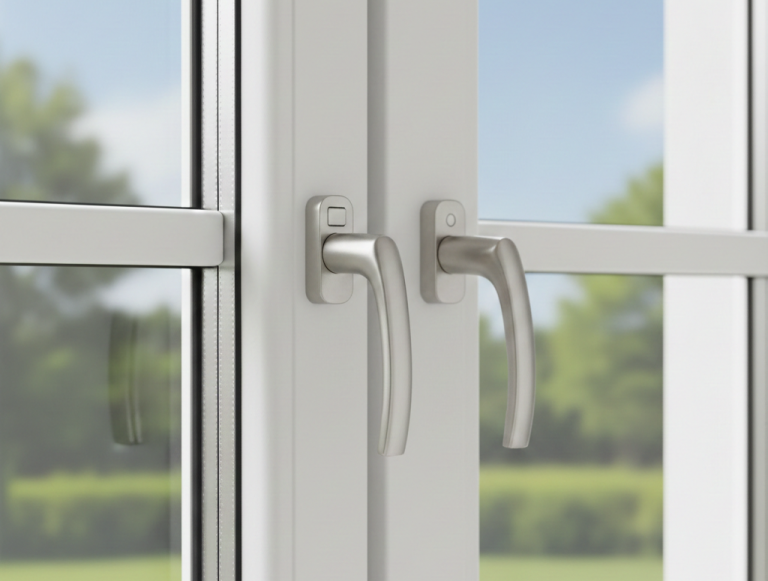
The TotalSeal Multi-Point Locking System used in Total Home products enhances seal compression, reducing argon leakage compared to single-point locks. This engineering detail extends the effective service life of gas-filled chambers.
Comparing Argon to Alternative Upgrades
When budget constraints require choices, consider how argon stacks up against other efficiency improvements:
- Argon vs. Krypton: Krypton gas performs 10% better but costs twice as much. Reserve krypton for narrow cavities in triple-pane windows where argon cannot fit effectively.
- Argon vs. Low-E only: Low-E coatings address radiant heat transfer, while argon tackles conductive losses. Combining both technologies yields the best results.
- Argon vs. Triple-pane air-filled: Triple-pane construction with air performs similarly to double-pane with argon at comparable costs. Choose based on frame depth constraints and acoustic priorities.
- Argon windows vs. wall insulation: Upgrading windows delivers faster payback than wall insulation in homes with single-pane or failing double-pane units.
For most Canadian homeowners, argon-filled windows represent a sensible middle ground between basic replacements and ultra-premium triple-glazed systems. The moderate cost increase delivers measurable comfort gains and energy savings without requiring structural modifications or excessive budgets. When sourced from manufacturers with strong warranties and professional installation teams, these windows provide decades of reliable performance that justifies the initial investment.
Frequently Asked Questions (FAQ)
How long does argon gas last in windows?
Quality argon-filled windows retain 80% to 90% of their gas after 20 years. Seal integrity determines longevity. Premium manufacturers warranty against excessive gas loss for the window’s lifetime.
Can you refill argon gas in existing windows?
Technically possible but rarely cost-effective. Refilling requires specialized equipment and drilling access holes. Replacement with new sealed units typically costs less than professional argon recharging services.
Do argon windows qualify for energy rebates in Canada?
Yes, when they meet ENERGY STAR™ certification requirements. Provincial and federal programs like Canada Greener Homes Grant cover qualifying argon-filled windows. Check current eligibility criteria before purchasing.
What is the difference between argon and krypton gas windows?
Krypton is denser and performs better in narrow spaces but costs significantly more. Argon suits standard double-pane gaps. Krypton works best in triple-pane units with thinner cavities.
How can you tell if argon gas has leaked from windows?
Increased condensation between panes indicates seal failure and gas loss. Thermal imaging reveals temperature differences. Professional testing measures gas concentration. Visible fogging confirms the need for replacement.