

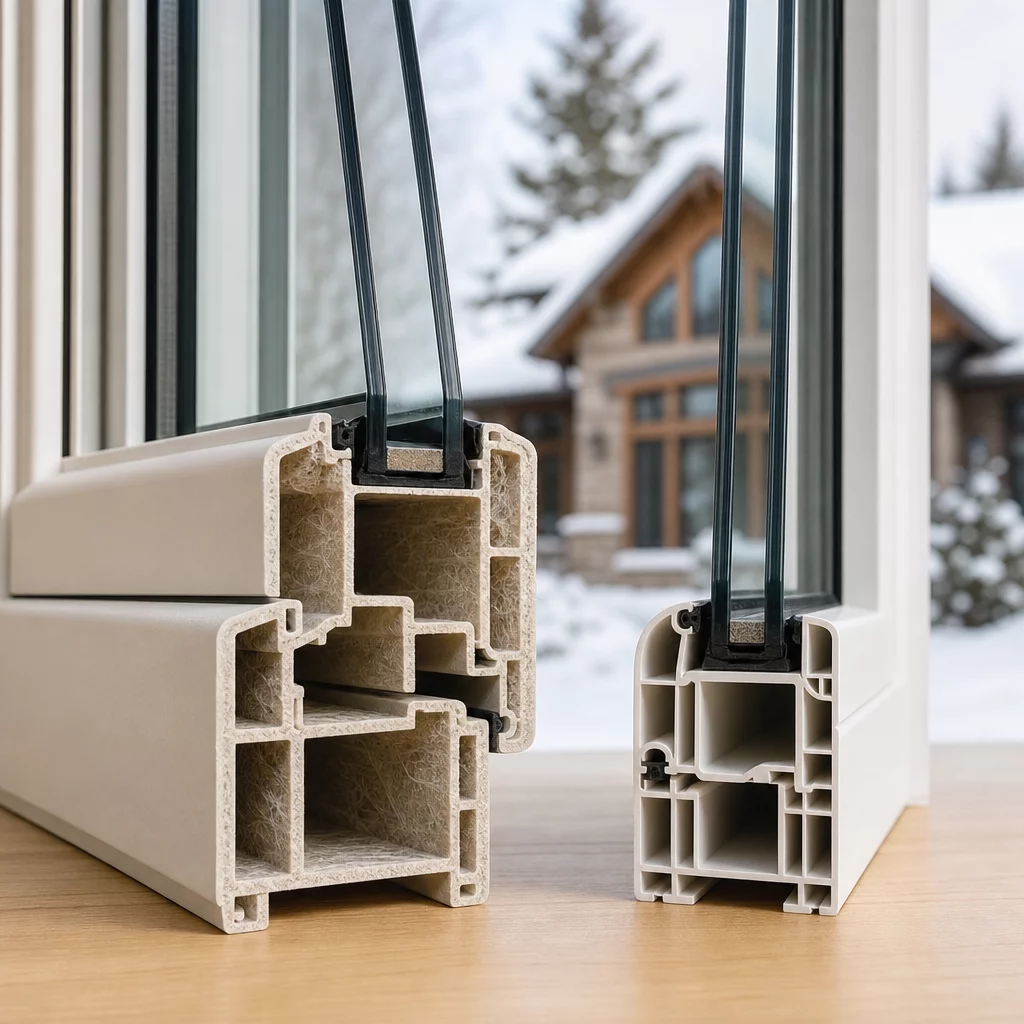
Fiberglass window prices typically range from $500 to $1,500 per window installed, depending on size, style, and features. These premium windows cost approximately 15% to 40% more than standard vinyl options but deliver superior durability, energy performance, and longevity that can offset the initial investment. Canadian homeowners increasingly choose fiberglass for their strength in extreme temperatures, minimal maintenance requirements, and ability to withstand the harsh climate without warping or degrading.
Cost Breakdown Table
Understanding the complete pricing structure helps you budget accurately when you plan to replace windows in your home. The following table breaks down typical costs for fiberglass windows across different quality tiers.
| Type / Option | Material Cost | Installed Cost | Best For |
|---|---|---|---|
| Basic Fiberglass | $350–$600 | $500–$900 | Standard replacements |
| Mid-Range Fiberglass | $600–$1,000 | $900–$1,500 | Most residential projects |
| Premium Fiberglass | $1,000–$2,000 | $1,500–$3,000 | Custom designs, large openings |
| Architectural Specialty | $2,000+ | $3,000–$5,000+ | Historic homes, unique shapes |
Window and Doors Replacement Near Me
Fiberglass Window Cost by Type
Different window configurations affect both material and installation expenses. Your choice depends on architectural requirements, room function, and aesthetic preferences.
Basic Fiberglass Windows
Cost: $500–$900 installed
Entry-level fiberglass windows include standard single-hung window designs and basic sliding window configurations. These units feature double-pane glass with argon gas fill and basic Low-E coatings. They’re ideal for straightforward replacement projects where budget considerations matter but you still want fiberglass durability advantages over vinyl alternatives.
Mid-Range Fiberglass Windows
Cost: $900–$1,500 installed
Mid-tier options include casement window styles, awning window types, and double-hung window models. These windows typically feature enhanced hardware, multiple color options, and upgraded energy-efficient window technology including triple-pane glass options. Most Canadian homeowners select this range for whole-house replacement projects.
Vitaly Shapiro, Vice President of Sales, explains: “Fiberglass windows represent a significant upfront investment, but they’re the only frame material that truly matches glass expansion rates. This eliminates seal failure issues common with other materials, especially in Ontario’s temperature swings.”
Premium and Custom Fiberglass Options
Cost: $1,500–$5,000+ installed
High-end fiberglass windows include bay window installations, bow window configurations, and specialty shapes like circles or trapezoids. These projects often require structural cut-out services and custom manufacturing. Premium features include factory-applied exterior finishes in designer colors, integrated blinds, and advanced multi-chamber frames for maximum insulation performance.
What Affects Fiberglass Window Pricing?
Multiple variables influence the final cost when you calculate window replacement expenses. Understanding these factors helps you make informed decisions.
Size and Dimensions
Window size directly impacts material costs and installation complexity. Standard sizes cost less than custom dimensions. Large picture window installations require additional structural support and specialized handling equipment, increasing labor expenses by 20% to 40%.
Frame Construction Quality
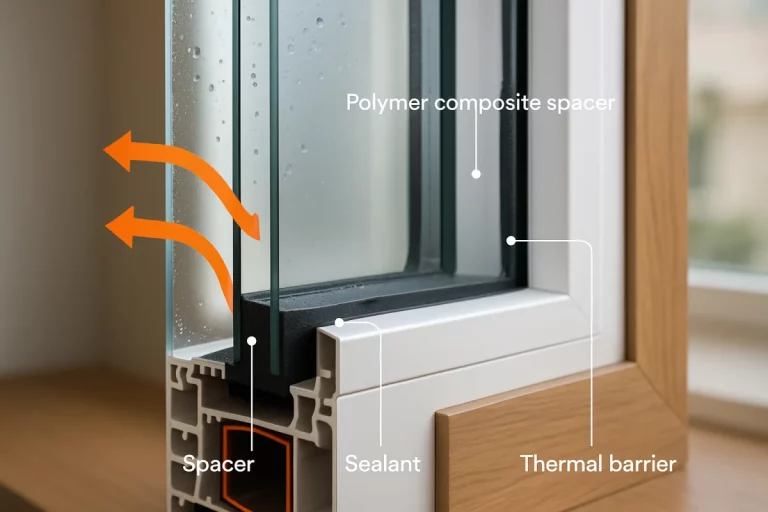
Fiberglass frames vary in wall thickness, reinforcement structure, and pultrusion quality. Premium frames use higher resin content and superior glass fiber density. These structural differences affect thermal performance, longevity, and price. Quality frames cost more initially but eliminate warping and degradation issues.
Glazing and Glass Packages
Glass accounts for 40% to 60% of total window costs. Basic double-pane window units with standard Low-E coating represent the entry point. Upgrading to advanced Low-E glass technology adds $50 to $150 per window. Triple-pane configurations with argon or krypton gas fills increase costs by $200 to $400 per unit but deliver superior R-value performance.
Hardware and Operating Systems
Standard hardware includes basic locks and operators. Upgrading to premium multi-point locking systems, concealed hinges, or European-style hardware adds $75 to $300 per window. These enhancements improve security, operation smoothness, and aesthetic appeal.
Installation Complexity
Straightforward replacements in existing openings cost less than projects requiring structural modifications. Second-story installations, difficult access locations, and projects needing new construction window framing increase labor costs significantly. Permit requirements and building code compliance also affect final expenses.
Alexandr Naumov, Project Manager, notes: “Fiberglass excels in applications where frame stability matters most. We recommend it for large openings and locations with extreme sun exposure where vinyl would soften and aluminum would conduct too much heat.”
Color and Finish Options
Standard white or beige fiberglass costs less than custom colors. Factory-applied exterior finishes in dark colors, wood-grain textures, or metallic tones add $100 to $400 per window. These finishes are baked on during manufacturing and won’t peel or fade like painted surfaces.
Energy Performance Certifications
Windows meeting ENERGY STAR™ certification requirements for Canada’s climate zones cost slightly more but qualify for potential rebates. Enhanced performance packages with lower U-factors and higher R-values increase material costs by 15% to 25% but reduce heating expenses substantially.
Explore energy-efficient options
Comparing Fiberglass Window Costs to Other Materials
Understanding how fiberglass pricing compares to alternative frame materials helps justify the investment. The following table shows typical installed costs across common window types.
| Window Type | Vinyl Cost | Fiberglass Cost | Aluminum Cost |
|---|---|---|---|
| Single Casement (Medium) | $410–$640 | $600–$950 | $550–$800 |
| Double-Hung (Medium) | $380–$600 | $550–$900 | $500–$750 |
| Sliding (Medium) | $340–$540 | $500–$800 | $450–$700 |
| Bay Window (Medium) | $1,190–$1,860 | $1,800–$2,800 | $1,600–$2,400 |
Fiberglass windows typically cost 25% to 40% more than comparable vinyl window products but less than premium wood windows. The material offers the best strength-to-weight ratio and dimensional stability in temperature extremes. When comparing fiberglass versus vinyl windows, consider long-term performance and maintenance requirements alongside initial costs.
Find the Best Window Styles for your Home
How to Reduce Fiberglass Window Costs
Strategic planning and informed choices can lower your total investment without compromising quality or performance.
1. Order Multiple Windows Together
Manufacturers offer volume discounts for whole-house orders. Purchasing 10 to 15 windows simultaneously can reduce per-unit costs by 15% to 25%. Installation companies also discount labor when completing multiple windows in one project rather than scheduling separate visits.
2. Choose Standard Sizes and Configurations
Custom dimensions and specialty shapes require individual manufacturing runs. Selecting standard window dimensions from stock sizes eliminates custom fabrication charges. Standard configurations also ship faster and cost less to produce.
3. Time Your Purchase Strategically
Window companies often run promotions during slower seasons. Late fall and winter typically offer better pricing as demand decreases. Planning your project during off-peak periods can save 10% to 20% on materials and installation.
4. Select Appropriate Performance Levels
Not every window requires maximum performance specifications. South-facing windows benefit most from advanced Low-E coatings and triple glazing. North-facing windows in protected locations can use standard packages. Allocate your budget where performance improvements deliver measurable returns.
5. Investigate Available Rebates and Incentives
Federal and provincial programs offer rebates for energy-efficient window installations. The Canada Greener Homes Grant provides up to $5,000 for qualifying improvements. These incentives effectively reduce net costs by 15% to 30% for eligible projects.
Best window companies reviews
Why Fiberglass Windows Cost More Than Vinyl
The price premium reflects fundamental material differences and manufacturing complexity. Fiberglass production involves pultrusion processes that align glass fibers in resin matrices. This creates exceptional strength and dimensional stability.
Manufacturing fiberglass frames requires specialized equipment and longer production cycles than vinyl extrusion. Raw material costs are higher because quality fiberglass uses premium resins and continuous glass fiber reinforcement. These factors contribute to elevated pricing.
However, fiberglass offers performance advantages that justify the investment:
- Superior strength: Fiberglass frames support larger glass areas with narrower profiles, maximizing visible light transmission
- Thermal stability: The material expands and contracts at nearly identical rates to glass, preventing seal failures
- Paint adhesion: Unlike vinyl, fiberglass accepts paint and stain, allowing color changes without replacement
- Longevity: Properly installed fiberglass windows last 40 to 50 years versus 20 to 30 years for vinyl
- Temperature resistance: Fiberglass maintains structural integrity from -40°C to +80°C without softening or becoming brittle
Installation Costs for Fiberglass Windows
Professional installation typically adds $150 to $500 per window depending on project complexity. This investment ensures proper performance, warranty validity, and building code compliance.
Factors Affecting Installation Expenses
Labor costs vary based on several considerations. Replacement installations in existing openings cost less than new construction window projects requiring framing modifications. Second-story work requires scaffolding or lift equipment, increasing expenses by 30% to 50%.
Structural modifications like enlarging openings or adding headers for larger windows add significant costs. These projects need engineering assessments, permits, and additional carpentry work. Budget an extra $500 to $2,000 per opening for substantial structural changes.
DIY Installation Considerations
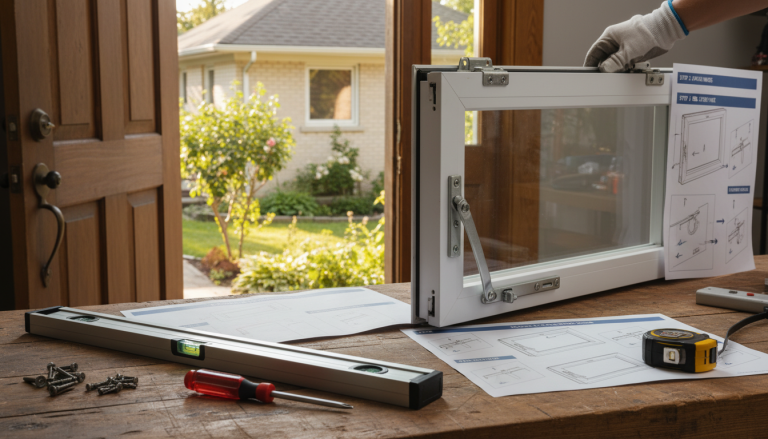
Experienced homeowners can install windows themselves to save labor costs. However, fiberglass windows require precise installation techniques. Improper installation voids warranties and causes performance issues. Consider professional installation unless you have documented experience with similar projects.
Long-Term Value of Fiberglass Windows
Evaluating total ownership costs provides perspective beyond initial purchase prices. Fiberglass windows deliver value through multiple channels over their service life.
Energy Savings
High-performance fiberglass windows reduce heating and cooling costs by 20% to 35% compared to older single-pane units. In Canadian climates, this translates to $200 to $500 annual savings for typical homes. Over a 30-year lifespan, energy savings can exceed the initial cost premium versus vinyl.
Maintenance Requirements
Fiberglass requires minimal maintenance beyond periodic cleaning. The material won’t rot, corrode, or degrade from UV exposure. Unlike wood windows needing regular painting or vinyl windows that become brittle, fiberglass maintains appearance and function with virtually no upkeep expenses.
Home Value Impact
Quality window replacements return 70% to 80% of costs in increased home value. Fiberglass windows particularly appeal to buyers seeking low-maintenance, high-performance features. The premium material signals quality construction and thoughtful upgrades.
Choosing the Right Fiberglass Windows
Selecting appropriate windows requires balancing performance requirements, aesthetic preferences, and budget constraints. Consider these factors during your evaluation process.
Climate Performance Needs
Canadian homes need windows engineered for extreme temperature variations. Look for products tested to CSA standards with appropriate U-factors for your climate zone. Northern regions benefit from triple-pane configurations, while southern Ontario may perform well with quality double-pane units.
Architectural Compatibility
Window style should complement your home’s architecture. Traditional homes suit classic double-hung designs, while contemporary buildings work well with large fixed panels and modern casement window styles. Maintain consistent styles across visible elevations for cohesive appearance.
Warranty Coverage
Quality manufacturers offer comprehensive warranties covering frame integrity, glass seal failure, and hardware function. Standard coverage ranges from 20 years to lifetime on frame components. Review warranty terms carefully and understand what’s covered versus excluded.
Manufacturer Reputation
Research manufacturer track records, customer reviews, and industry certifications. Established companies with Canadian manufacturing facilities provide better support and faster service. Check ratings on trusted platforms and verify customer testimonials and reviews.
Working with Professional Window Installers
Partnering with experienced contractors ensures proper installation and optimal performance. Quality installers understand building science principles and local code requirements.
Selecting a Qualified Contractor
Look for companies with relevant certifications, insurance coverage, and established business histories. Verify credentials through organizations like the Better Business Bureau. Request references and inspect completed projects when possible.
Getting Accurate Quotes
Obtain detailed written estimates from multiple contractors. Quotes should itemize material costs, labor expenses, disposal fees, and any additional charges. Compare proposals carefully, considering warranty terms and included services beyond just price.
Understanding the Installation Process
Professional installation typically takes one to two days for whole-house projects. The process includes removing old windows, preparing openings, installing new units, insulating gaps, and finishing interior and exterior trim. Discuss the timeline and any disruptions to daily routines.
Fiberglass Window Maintenance and Care
Proper maintenance extends window lifespan and preserves performance. Fortunately, fiberglass requires minimal ongoing care compared to other materials.
Cleaning and Inspection
Clean frames and glass quarterly using mild soap and water. Avoid abrasive cleaners that can scratch surfaces. Inspect weatherstripping annually and replace if damaged. Check hardware operation and lubricate moving parts with silicone spray.
Addressing Minor Issues
Small problems like loose hardware or minor air leaks are easily corrected. Tighten screws, replace worn weatherstripping, and apply fresh caulk around exterior perimeters as needed. Address issues promptly to prevent escalation into major problems.
Frequently Asked Questions (FAQ)
Are fiberglass windows worth the extra cost compared to vinyl?
Yes, for most Canadian homes. Fiberglass offers superior durability, dimensional stability in temperature extremes, and longer lifespan. The material maintains performance for 40 to 50 years versus 20 to 30 for vinyl, offsetting higher initial costs.
How long do fiberglass windows typically last?
Properly installed fiberglass windows last 40 to 50 years with minimal maintenance. The material resists degradation from UV exposure, temperature fluctuations, and moisture better than vinyl or wood alternatives, maintaining structural integrity throughout its service life.
Can fiberglass windows be painted or stained?
Yes, fiberglass accepts paint and stain unlike vinyl. This allows homeowners to change colors without replacing windows. Use quality exterior paints designed for composite materials and follow manufacturer recommendations for surface preparation and application techniques.
Do fiberglass windows qualify for energy rebates in Canada?
Yes, when they meet ENERGY STAR™ certification requirements for Canadian climate zones. Qualifying installations may receive federal and provincial rebates up to $5,000 through programs like Canada Greener Homes Grant, reducing net costs significantly.
What’s the best time of year to install fiberglass windows?
Late fall through early spring offers better pricing due to lower demand, though installation is possible year-round. Schedule projects during mild weather when possible to minimize indoor temperature disruption during installation, typically spring or fall months.