

Did you know that stationary glass units can reduce heat loss by up to 30% compared to some operable models? This fact highlights their potential for energy savings in our climate.
These sealed units are a popular architectural feature. They cannot be opened, creating a permanent, clear portal to the outdoors.
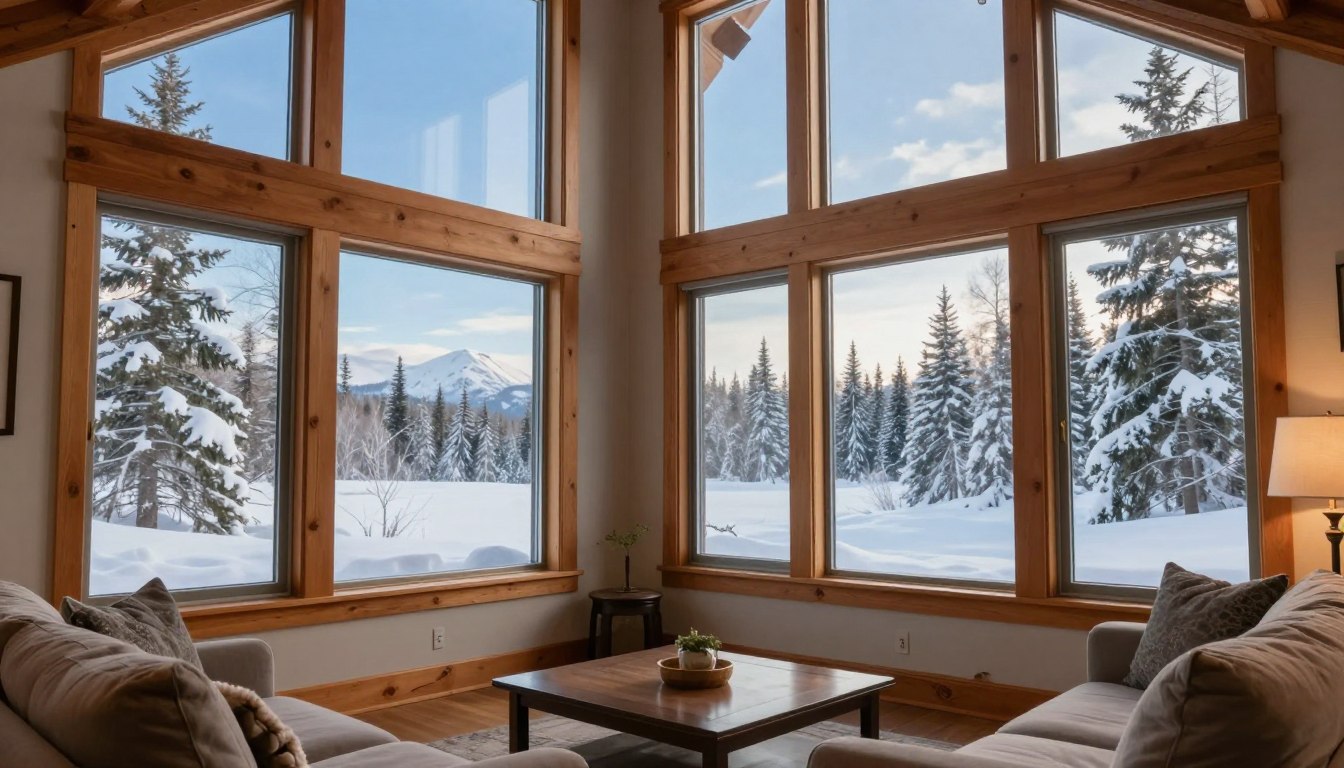
For many homeowners, this design maximizes natural light and frames stunning views. It turns any room into a brighter, more inviting space.
The construction focuses on security and thermal performance. High-quality materials like tempered glass are common.
Choosing the right style for your home requires careful thought. We must balance the pros and cons for our specific needs.
This guide explores the critical factors for Canadian living. We look at insulation, cost, aesthetics, and overall functionality.
Key Takeaways
- Stationary units provide an uninterrupted connection to the outdoors and expansive views.
- They offer excellent insulation, which can improve a home’s energy efficiency.
- With no moving parts, long-term maintenance is typically very low.
- These installations are superb for flooding living rooms and spaces with natural light.
- Ventilation needs must be planned separately, as these units do not open.
- Initial installation cost should be weighed against long-term performance and value.
- The right choice depends on your home’s design, the room’s function, and your personal preference.
Understanding Fixed Windows: Definition and Design
In modern construction, static glass panels serve a specific purpose: to flood interior spaces with daylight and showcase scenery. These are sealed units, often called stationary windows. They lack hinges, locks, or any moving parts.
Their design is purely visual and functional for light transmission. Without hardware, they offer a clean, minimalist look. This simplicity allows for great flexibility in shapes and sizes.
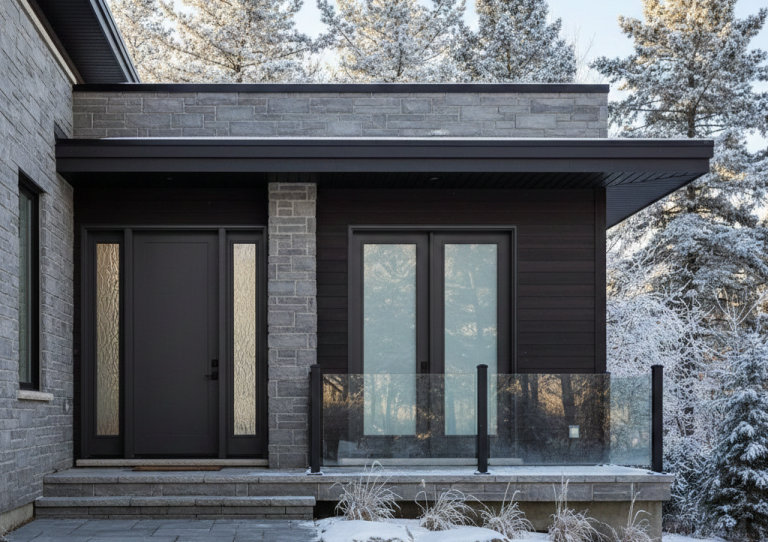
Architects frequently specify these units for living rooms or dining areas. The goal is to highlight a beautiful outdoor view. Their sealed nature also contributes to better thermal performance.
| Design Feature | How It Works | Primary Benefit |
|---|---|---|
| Sealed Construction | No operable sashes or hinges | Superior insulation & energy efficiency |
| Custom Shapes/Sizes | Fabricated to precise specifications | Fits unique architectural needs |
| Minimalist Frame | Absence of handles and hardware | Clean, modern aesthetics |
| Tempered Glass | Often used for safety and strength | Enhanced durability and security |
This focus on view, light, and tight construction defines these installations. It sets the stage for evaluating their full impact on a home.
Window and Doors Replacement Near Me
Fixed windows advantages and disadvantages
Selecting the right glazing solution involves a careful balance of performance gains and functional trade-offs. These sealed units provide excellent energy efficiency and increased security. Their design offers completely unobstructed views of the landscape.
They lack moving parts, which often makes them more affordable. Fewer hinges and fittings mean fewer thermal bridges. This directly boosts the insulation and overall energy efficiency of your home.
However, these panels do not open. This limits ventilation and prevents their use as an emergency exit. Cleaning the exterior glass on higher floors can be a significant challenge.
They are an ideal choice for maximizing natural light and aesthetics. Yet, they may not suit rooms like kitchens or bedrooms that need regular air circulation. Homeowners must consider their specific needs for each space.
| Notable Strengths | Important Considerations |
|---|---|
| Superior energy efficiency and insulation | No natural ventilation or airflow |
| Enhanced security from non-operable design | Cannot serve as an emergency egress point |
| Uninterrupted, expansive outdoor views | Exterior cleaning can be difficult on upper floors |
| Lower long-term maintenance with no moving parts | May not be suitable for all room layouts |
| Clean, modern look that maximizes natural light | Requires separate planning for air circulation |
Weighing these factors is crucial. The structural integrity and security provided often make them an excellent choice for modern designs. Your final decision should align with your home’s function and your personal preference.
Find related services
Energy Efficiency and Insulation Benefits
Canadian homeowners seeking to slash heating bills often turn to sealed glazing units for superior insulation. Their tight construction eliminates the gaps found in operable models.
This creates a powerful thermal barrier. It keeps the cold out and the warmth in during our long winters.
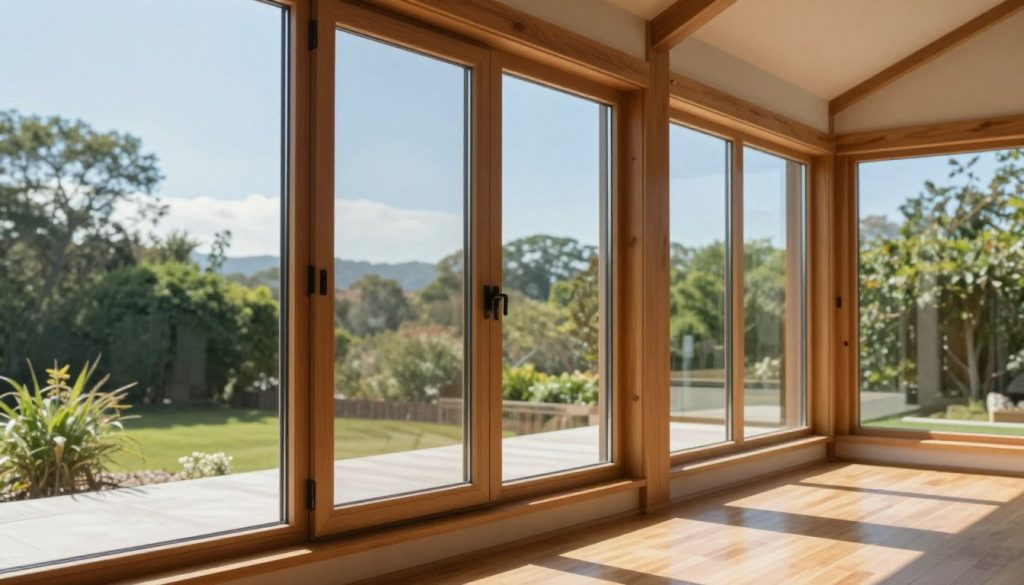
Specific performance metrics highlight this benefit. A high-quality sealed unit can achieve a heat transfer coefficient (Uw) below 0.8 W/m²K.
Sound insulation is another major gain. With the right glass package, these panels can block 40 to 45 decibels of outside noise.
| Performance Metric | Typical Range | Key Benefit |
|---|---|---|
| Heat Transfer (Uw) | < 0.8 W/m²K | Minimizes heat loss for lower energy costs |
| Sound Insulation | 40-45 dB | Creates a quieter, more peaceful indoor space |
| Construction Feature | Fusion-welded corners & gas fill | Eliminates thermal bridges and drafts |
The lack of moving parts is crucial. Without hinges or locks to wear out, the seals stay intact for years.
“In terms of pure thermal performance, a well-made fixed window is often the benchmark. Its continuous seal is hard to beat for stopping energy transfer.”
This durable design maintains high insulation levels. It directly translates to reduced energy costs and a smaller environmental footprint.
For these reasons, such units are a staple in modern, energy-conscious home projects across Canada.
Explore energy-efficient options
Aesthetic Appeal and Design Flexibility
Custom shapes and expansive glass surfaces offer homeowners unparalleled creative freedom.
Modern panels allow for glazing up to three metres wide without divisions. This creates an impressive, seamless visual effect for contemporary designs.
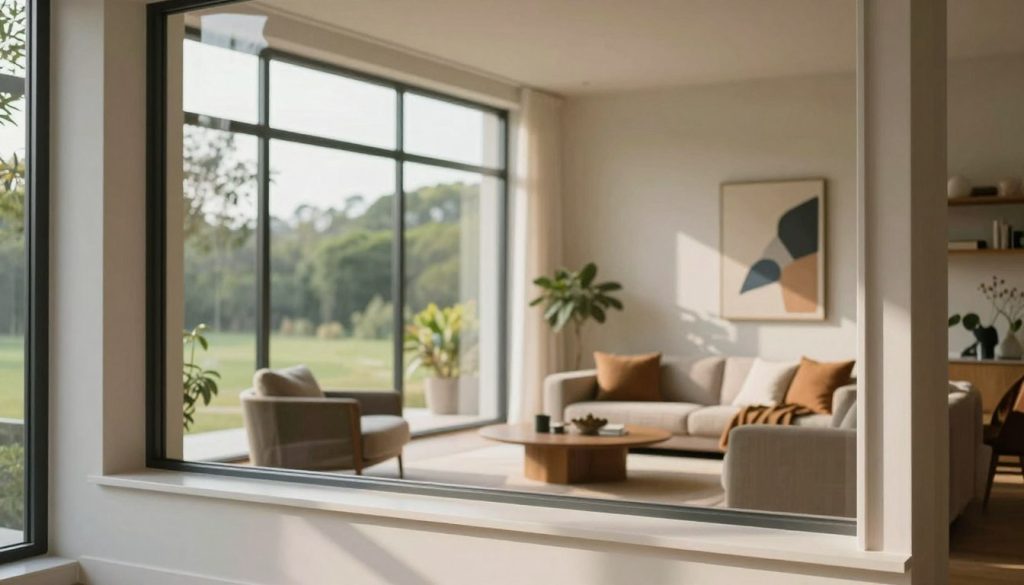
These units can be manufactured in many forms. Circle top, round, oval, and trapezoid designs are all possible.
The minimal frame maximizes the viewable area. It allows more natural light to enter compared to traditional operable units.
| Design Feature | Description | Aesthetic Impact |
|---|---|---|
| Large, Uninterrupted Glass | Spans up to 3m wide without mullions | Creates a dramatic, panoramic view |
| Custom Shapes | Available in circle, oval, triangle, etc. | Adds unique architectural character |
| Slim Frame Profile | Reduces vinyl around the glass | Offers a clean, minimalist look |
This high level of customization complements any architectural style. Homeowners select from a wide range of finishes and colours.
The sleek look is highly sought after in modern construction. It enhances the aesthetics of any room, from basements to living areas.
Find the Best Window Styles for your Home
Installation, Maintenance and Lifespan
Proper installation and simple upkeep are key factors for the long-term performance of sealed glass units. Getting these elements right ensures your view stays clear and your investment pays off for decades.
Cleaning is straightforward. Without moving parts or gaps, dirt has fewer places to hide. This makes interior care very easy.
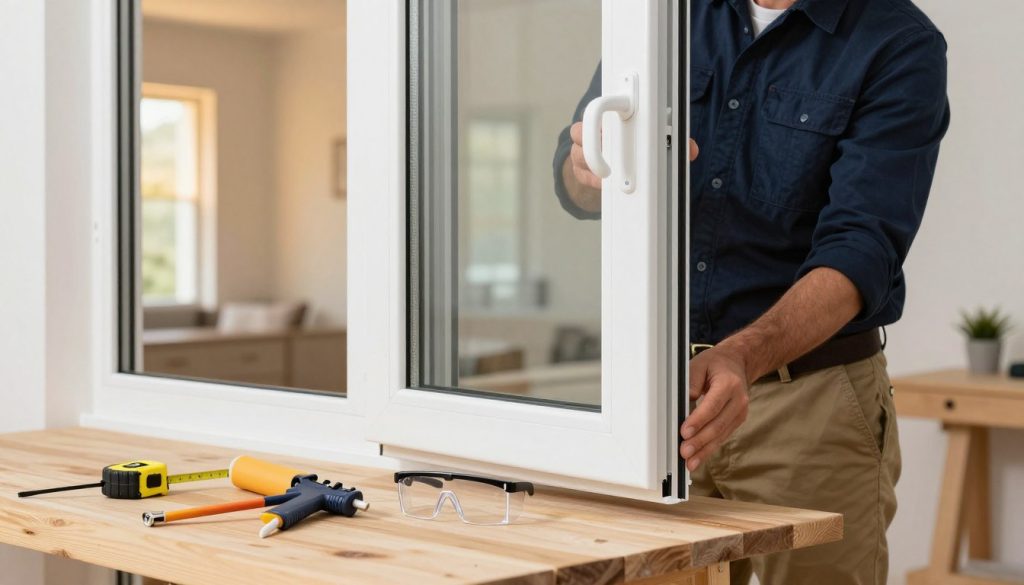
Exterior cleaning on upper floors can be a challenge. You may need special equipment or a professional service.
Consider these core maintenance aspects for your home:
| Aspect | Typical Characteristic | Homeowner Impact |
|---|---|---|
| Routine Cleaning | Simple interior wipe-down | Low effort, high clarity |
| Long-Term Upkeep | No hardware to lubricate or replace | Minimal scheduled maintenance |
| Seal Integrity | Inspect annually for cracks or gaps | Preserves energy efficiency |
| Professional Service | Recommended for hard-to-reach exterior glass | Ensures safety and thorough cleaning |
We always recommend working with certified installers. A perfect seal during installation prevents future moisture issues. It also guarantees the frame’s durability.
“A fixed window’s lifespan is directly tied to the quality of its installation. A perfectly square and sealed unit can easily last 30 years or more with basic care.”
The materials and manufacturer also influence longevity. If damage occurs, replacement can be complex due to custom sizes.
Regular checks of the seals and frame are wise. This simple habit protects your view and maintains peak performance.
Best window companies reviews
Ventilation Limitations and Alternative Airflow Strategies
The very feature that makes these units so energy efficient—being sealed shut—also means they provide zero airflow. This is the core trade-off for their superb insulation and clean look.
Without natural ventilation, indoor air quality can suffer. Moisture from cooking and showers has no easy escape path.
Stale air and condensation may lead to mold growth. We must plan for air circulation from the start.
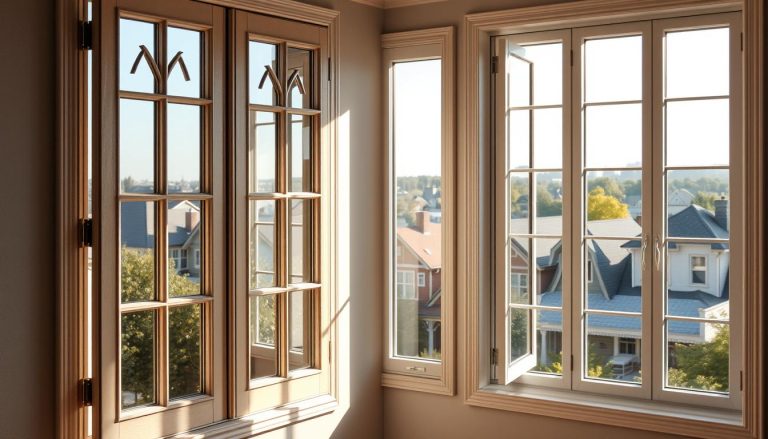
Pairing sealed units with operable ones is a smart design choice. Place a large stationary panel for the view beside a casement or slider.
This combination delivers both expansive scenery and fresh air. It works well in living rooms and dining areas.
For rooms where opening a window isn’t ideal, mechanical systems are key. Heat Recovery Ventilators (HRVs) provide constant fresh air without major energy loss.
| Airflow Strategy | How It Works | Ideal Application |
|---|---|---|
| Operable Window Pairing | Combines a fixed unit with a hinged or sliding window nearby. | Living rooms, dining areas needing views and air. |
| Mechanical Ventilation (HRV/ERV) | System exchanges stale indoor air for fresh outdoor air, recovering heat. | Modern, airtight homes with extensive sealed glazing. |
| Window Diffusers / Trickle Vents | Small, controlled vents installed within the window frame or wall. | Supplemental airflow in rooms with limited wall space. |
We advise consulting an architect during your home’s design phase. They ensure your love for natural light and views doesn’t compromise healthy living.
Comparing Fixed Windows to Other Window Types
The core trade-off in window selection often boils down to view versus ventilation. We must understand the functional profile of each glazing type.
Stationary units are generally more affordable. Their simpler construction lacks complex opening mechanisms. This reduces initial cost and potential long-term upkeep.
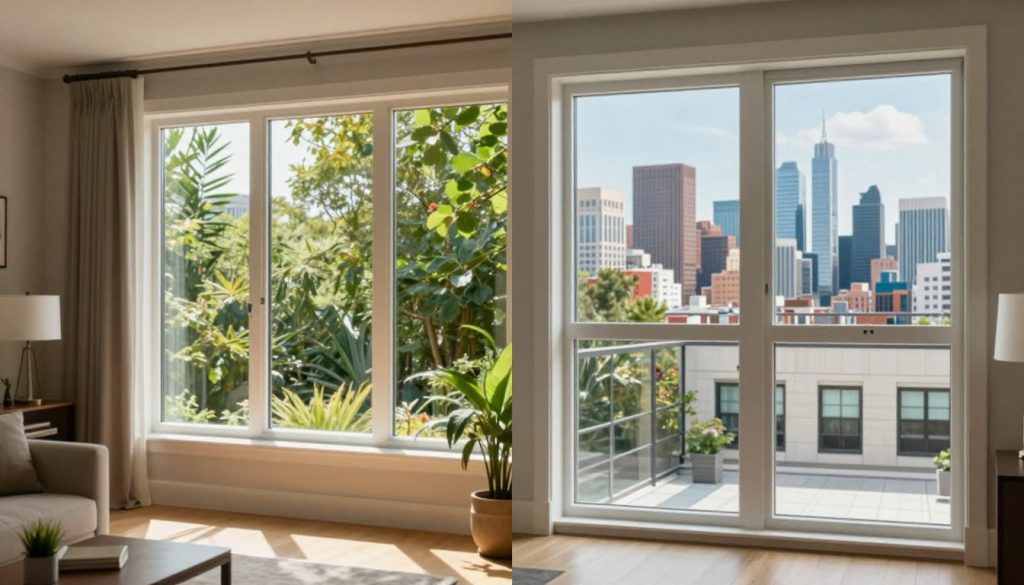
Operable styles provide crucial airflow. However, their seals can be slightly less robust. Fixed glass panels offer superior insulation and maximize natural light.
A critical difference is emergency egress. Unlike hinged or sliding models, sealed units cannot serve as an exit. This makes them unsuitable for certain rooms.
| Feature | Fixed Windows | Operable Windows |
|---|---|---|
| Primary Function | Uninterrupted view & light | Controlled ventilation |
| Thermal Performance | Typically superior | Good, depends on seal quality |
| Maintenance | Very low (no moving parts) | Regular hardware lubrication |
| Aesthetics | Clean, minimalist look | Includes visible hardware |
| Typical Use | Living rooms, great rooms | Bedrooms, kitchens, bathrooms |
We often recommend using both types together. This strategy creates a uniform exterior appearance. It also balances scenic appeal with healthy airflow.
Your final choice depends on the specific needs of each room. Consider the primary function before installation. A thoughtful plan ensures optimal performance and comfort for your home.
Fixed Windows in Residential and Commercial Applications
In today’s built environment, you’ll find these durable panels in settings ranging from bustling storefronts to quiet, sun-drenched hallways. Their sealed design serves distinct purposes across different project types.
For commercial structures, they form the sleek skins of modern office towers and glazed facades. Here, they perform a dual decorative and utilitarian role, showcasing a brand’s image while ensuring energy performance.
In a home, they are commonly chosen for living and dining areas to maximize natural light. They also brighten interior corridors and staircases where an operable unit isn’t needed for daily use.
| Application Setting | Common Locations | Primary Reason for Use |
|---|---|---|
| Residential | Living rooms, dining rooms, kitchens, stairwells | To flood spaces with light and frame outdoor views without the need for ventilation. |
| Commercial | Office building facades, retail shopfronts, atrium walls | To create a professional aesthetic, showcase interior space, and maintain high thermal efficiency on a large scale. |
Their non-opening nature makes them ideal for high rooms or mezzanines where operation would be difficult. Superior sound insulation also makes them a smart choice for urban homes near busy streets.
By integrating this fixed glass into a design, we create a seamless visual connection between inside and out. The focus remains on a durable, efficient, and aesthetically pleasing solution for any building.
Total Home Windows & Doors: Quality, Accreditation and Canadian Expertise
In Ontario, one manufacturer combines top-tier ratings with advanced engineering for optimal home performance. Total Home Windows & Doors leads the market for vinyl glazing products.
Their commitment to excellence is validated by independent organizations. They hold an A+ rating with the Better Business Bureau.
Customer feedback platforms also reflect their stellar reputation. A Google rating of 4.9 and a perfect 5.0 on Homestars highlight consistent satisfaction.
These credentials offer homeowners significant peace of mind. You can trust the craftsmanship and service behind every installation.
| Quality Marker | Specification | Homeowner Value |
|---|---|---|
| BBB Accreditation | A+ Rating | Assurance of reliable business practices and customer service. |
| ENERGY STAR® Certification | Meets strict performance standards | Guaranteed energy efficiency for lower utility bills. |
| TotalSeal Locking System | Multi-Point Design | Enhanced security and superior insulation against drafts. |
| Consumer Ratings | 4.9 (Google), 5.0 (Homestars) | Confidence from verified reviews of past projects. |
Every product they supply carries the ENERGY STAR label. This certification is crucial for our climate, ensuring maximum thermal performance.
The proprietary TotalSeal system is a key differentiator. It locks tightly at multiple points for unparalleled security and weather sealing.
Their deep understanding of the Ontario market allows for tailored solutions. We recommend their services for any serious glazing upgrade.
Final Thoughts on Choosing Fixed Windows for Canadian Homes
Your journey to a brighter, more efficient home culminates with a thoughtful choice in glazing. These sealed units offer superb insulation and frame beautiful outdoor scenery.
They flood your living space with natural light. This creates an inviting atmosphere and strong connection to the outdoors.
Remember to plan for separate airflow. Your overall comfort depends on a balanced design.
Match the glass to each room’s primary function. Consider your specific needs for view, energy use, and daily living.
Partner with accredited suppliers for proper installation. This ensures peak performance, low maintenance, and lasting aesthetics.
The right selection enhances your property for years. It provides lasting comfort, value, and satisfaction in our climate.
FAQ
What exactly is a fixed window?
A fixed window is a non-operable glazing unit. It’s designed not to open, serving primarily to provide natural light and unobstructed outdoor views. Its sealed construction, with no moving parts like sashes or hinges, is a key feature of its design.
What are the main pros and cons of choosing this style?
The primary benefits are superior energy efficiency and excellent insulation due to a completely sealed frame, along with expansive views and modern aesthetics. The main drawback is the lack of natural ventilation, requiring alternative airflow strategies for a healthy indoor environment.
How do they contribute to a home’s energy performance?
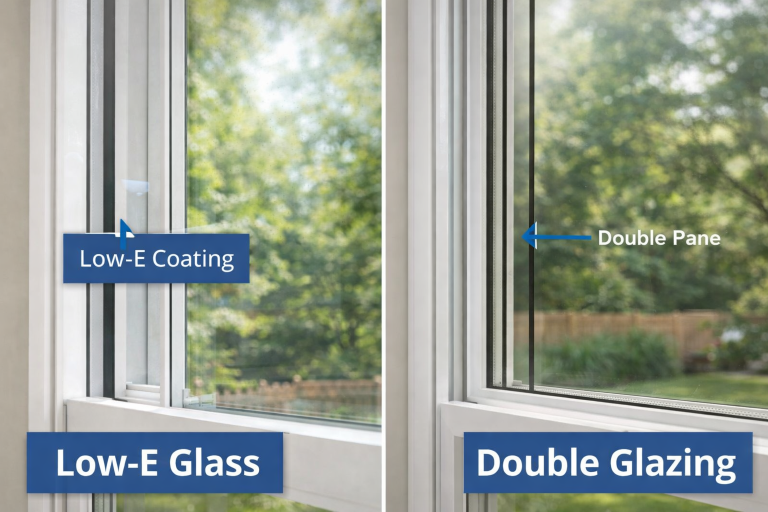
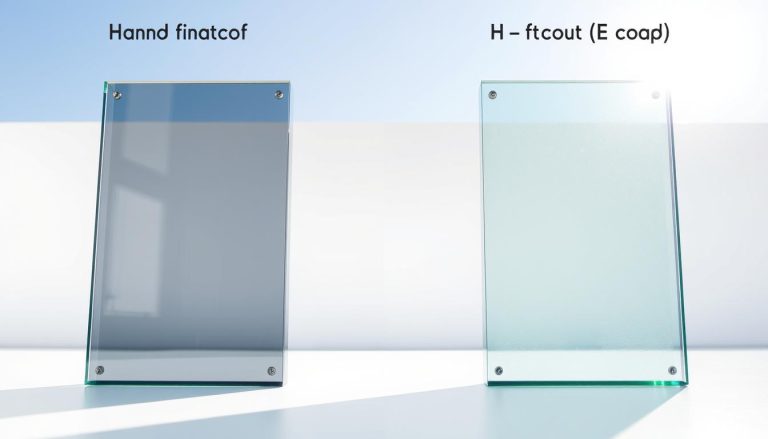
Their sealed design minimizes air leakage, making them exceptionally energy efficient. When paired with high-performance Low-E glass and argon gas fills, they provide excellent insulation. This reduces heat transfer, helping to lower heating and cooling costs throughout Canada’s seasons.
Can they be used in any room of a house?
They are an excellent choice for areas where ventilation is handled elsewhere, such as living rooms with high accent walls, hallways, or beside functional operating units. We do not recommend them as the sole glazing in rooms like kitchens or bathrooms where moisture control and fresh air are critical.
How do they compare to casement or sliding windows?
Compared to operable types like casement or sliding windows, fixed units offer better insulation and a cleaner look but no airflow. Operable styles provide ventilation but may have slightly more potential for air infiltration around their moving seals.
What should I know about installation and long-term care?
Professional installation by an accredited company like Total Home Windows & Doors is crucial to ensure a perfect, watertight seal. Maintenance is very simple, typically involving just occasional cleaning of the glass and frame, as there are no mechanical parts to wear out.
Are they a good option for commercial buildings?
Absolutely. Their modern aesthetics, energy-saving potential, and ability to create large, impressive curtain walls make them a popular selection for offices, retail spaces, and institutional buildings across Canada, maximizing natural light.
Why is choosing a certified Canadian manufacturer important?
Windows must be engineered for our specific climate challenges. CSA-approved products from Canadian manufacturers like those we partner with are tested for extreme temperatures, wind loads, and energy standards, ensuring long-term durability and performance you can trust.